
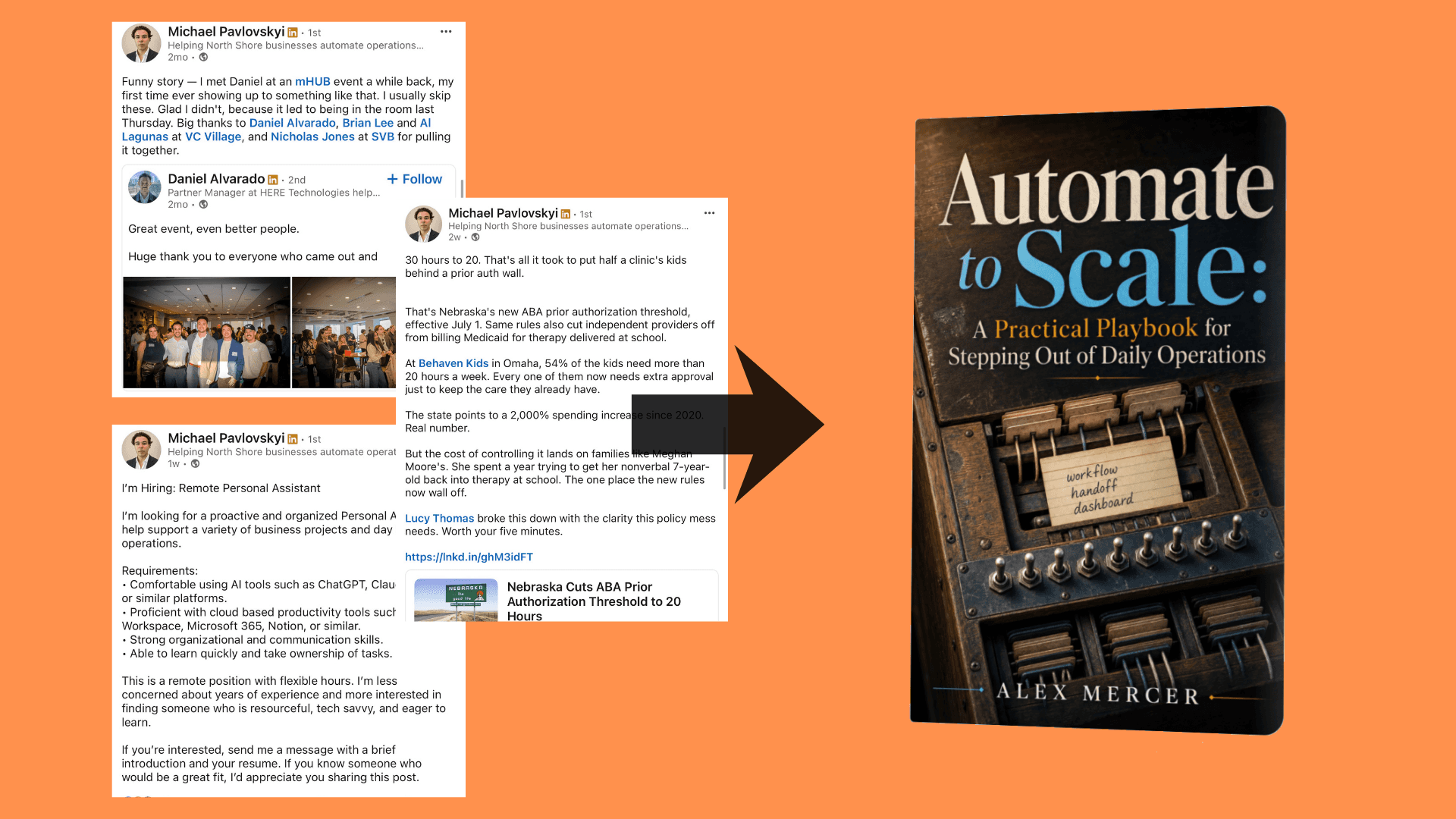

How Many LinkedIn Posts Equal a Book?
About 140 to 230 of your best, longest LinkedIn posts (2,000-plus characters) add up to one 50,000 to 80,000-word business book. Write at LinkedIn's more typical medium length and the number passes 700. But structure, one throughline, is what actually turns an archive into a book, not the post count.
Key takeaways
- The honest number: about 140 to 230 of your best, longest LinkedIn posts (2,000+ characters) add up to one 50,000 to 80,000-word business book. (Taplio LinkedIn Benchmark, March 2026; Elite Authors)
- Write at LinkedIn's more typical medium length instead, and that number jumps past 700, since shorter posts need far more of them to reach the same total.
- Structure decides it, not word count. A stack of posts pasted together still reads like a stack of posts, because a book needs one throughline the posts never had to carry.
- Wren already helps founders, coaches, and consultants turn a LinkedIn archive into a structured, finished, KDP-ready book, not a longer feed.
You've been posting on LinkedIn for a year, maybe two. Somewhere in that archive is a real amount of writing, and at some point the question shows up: does this add up to a book yet? Wren, Built&Written's AI platform, hears a version of this constantly, from founders and coaches staring at a folder of saved posts. Here's the actual math, using LinkedIn's 2026 length data and a business book's real word count, plus the part the math leaves out.
About Wren: Built&Written built Wren to turn material a founder, coach, or consultant already has, LinkedIn posts, call notes, old drafts, into a finished business book. Wren already studies your posts for the frameworks buried in them and matches your own voice, without handing a year of posts to a ghostwriter to interpret. You need what's already in your LinkedIn history, organized into something a stranger can read start to finish.
1. The quick math: LinkedIn posts vs. a business book
LinkedIn's March 2026 benchmark data splits post length into four brackets: short (under 200 characters), medium (200 to 500), very long (1,000 to 2,000), and ultra-long (2,000-plus, LinkedIn's 3,000-character ceiling). Ultra-long posts win the feed at a 2.56% engagement rate against 1.53% for short ones, and 2,000 characters runs roughly 300 to 400 words, per Taplio's 2026 LinkedIn Benchmark.
A typical business book runs 50,000 to 80,000 words, per Elite Authors. Divide that by 350, the ultra-long midpoint, and you land on 140 to 230 posts. Write at the shorter medium length most people actually use, and the number jumps past 700. Either way, the real question stops being how many posts you need and starts being what Wren already turns them into.
The problem, and how Wren solves it: Wren already reads a LinkedIn archive as raw material, not a countdown to hit. It finds the frameworks already buried across your history and builds a real outline from them, so how many posts you've written matters less than what they're actually about.
2. Structure matters more than word count
Even at 230 posts pasted into one document, you don't have a book. You have 230 posts in a row. A book needs one throughline: an argument that opens in chapter one and pays off by the end, built for a reader who's there for 45 minutes, not scrolling between meetings. A LinkedIn post is written to stand alone, because that's how a feed works. If your archive covers ten different arguments instead of one, that's a separate, fixable problem.
Consultants run into the same gap when they ask whether LinkedIn or a book does the better job: the two answer different questions. A feed post earns attention this week; a book is what a prospect finds three months later, once it has a spine to hold onto. Wren already builds that spine instead of stacking posts into a longer feed.
The problem, and how Wren solves it: Wren already restructures scattered posts into chapters built around one argument, merging points you made three different weeks instead of repeating them three times. That's the real work between enough words and an actual book.
3. What actually happens when Wren turns your posts into chapters
You bring what you already have: LinkedIn posts, call notes, old drafts. Wren studies that material for your voice and the frameworks you keep returning to, then proposes a chapter structure built around them, not the order you happened to post in.
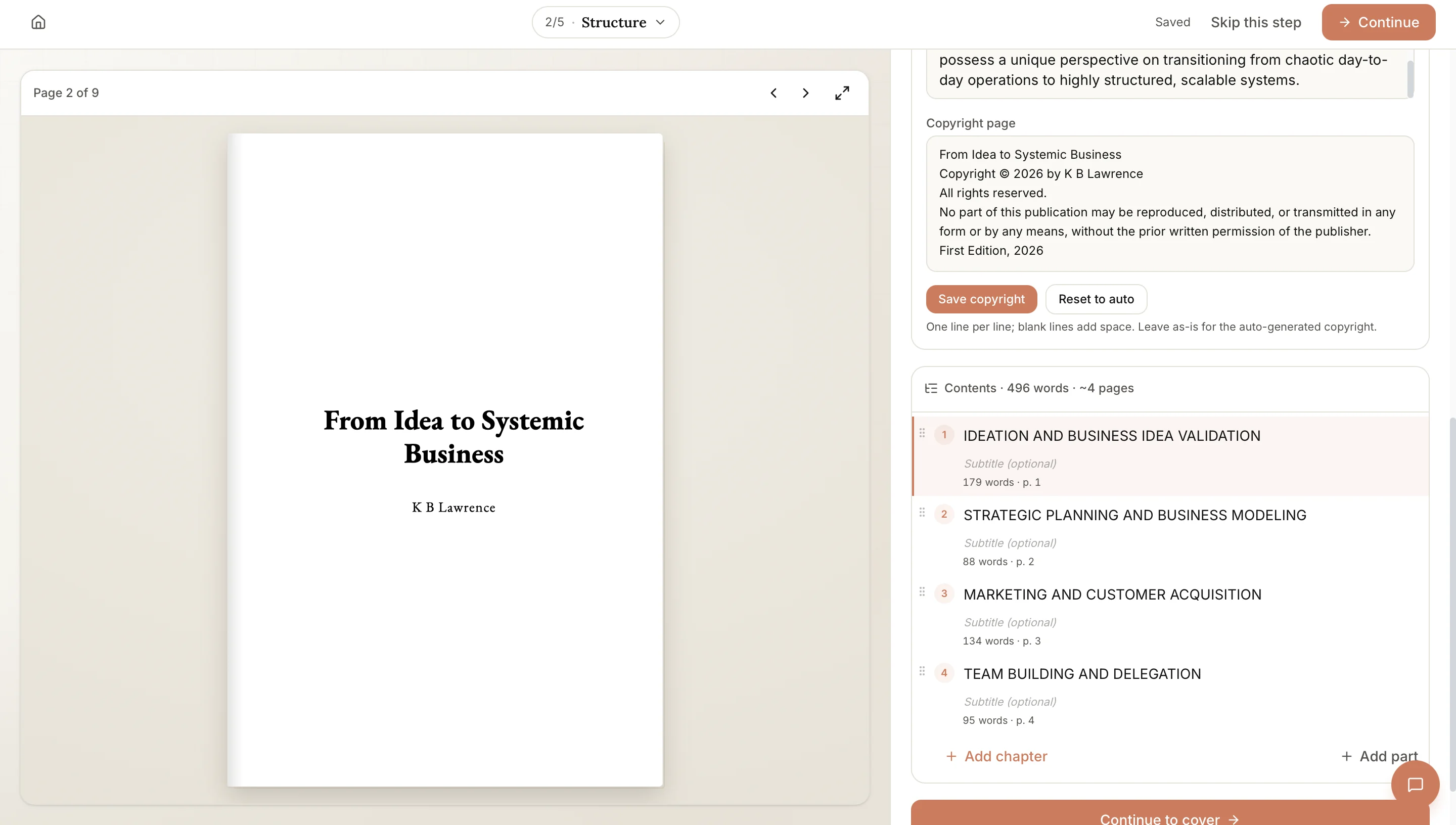
From there, Wren drafts each chapter inside an editor with a live Voice check, Reader lens, and hook analysis, sharpening as you go instead of waiting on a human editor's invoice. Two years of Tuesday posts about one client problem become a single chapter, the strongest version of every point kept.
The problem, and how Wren solves it: Wren already turns that structure into a full manuscript, chapter by chapter, in your own voice, ready for Amazon KDP. No ghostwriter required to read a year of posts and guess what you meant.
4. The real reason to do this now, not just count posts
Here's what the math actually proves: if you've been posting consistently, you already have market-tested material. Every post that got real engagement was validated by real readers before you ever considered a book, which is more proof than most business books start with. Turning that into a lead-generation asset is a different project than starting from a blank outline.
It also compounds in ways a feed can't. Coaches use a finished book to raise their rates, and founders see one book change a negotiation before the call starts. None of that shows up in a word count. Wren already helps people turn that archive into the asset that keeps paying off after the feed moves on.
The problem, and how Wren solves it: Wren already gets founders, coaches, and consultants from a folder of LinkedIn posts to a finished, KDP-ready book without months of untangling a year of writing by hand. Bring the archive. Wren finds the book already inside it.
So, how many LinkedIn posts equal a book? Somewhere between 140 and 700-plus, depending on length, using LinkedIn's 2026 data and a typical business book's 50,000 to 80,000 words. A pile of posts at any count is still a pile of posts. Structure and one throughline are what turn it into a book, and that's the part Wren already builds.
Final thoughts
Here's the real problem underneath the math: you already have the material, but turning a year of standalone posts into one coherent manuscript is a structural, editorial job most people can't do alone. It means finding the throughline across hundreds of posts, cutting the repeats, and building chapters that hold up in order, on top of a day job.
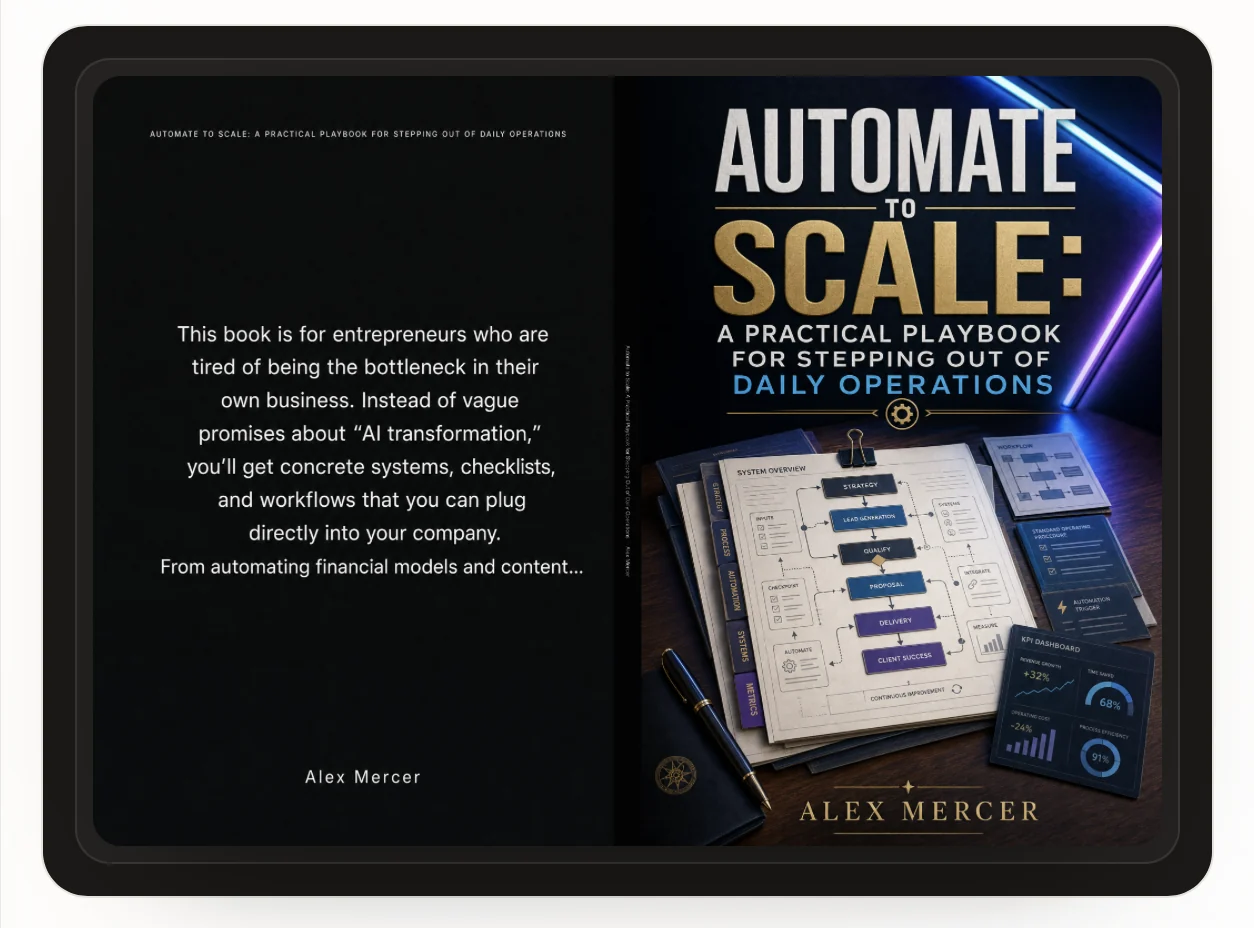
Wren already does that part. It reads your LinkedIn archive, call notes, and drafts, matches your voice, and builds the manuscript around your strongest argument instead of your posting calendar. Built&Written already helps founders, coaches, and consultants turn a year of writing they've already done into a book that keeps working long after the feed does. See the process for converting a LinkedIn archive into a book, or the math on whether a business book is worth writing at all.
If you've got a year or two of consistent posting behind you, that archive is worth finishing, not a reason to start over. Check what a finished book costs against months of untangling posts by hand, then let Wren turn what you already have into something more permanent than a feed.
Frequently asked questions
There's no hard minimum. At the top-performing ultra-long length, 140 posts covers a typical business book, but a shorter archive with one strong argument can beat a longer one with ten unrelated ideas.
Not quite. Posts are written to stand alone; a book needs them to build on each other. The compression pass that turns posts into a book is closer to editing than pasting.
Yes. Coaching books run shorter than the general business-book average and still work as a lead-generation asset, so don't wait for 230 posts if the argument is complete at 80.
Sources & References
About the author

Mykhailo Druz
More in Book Marketing
Ready to write your book?
Turn your expertise into a professional book with Built&Written.