
Sentence rhythm
- How long your sentences are.
- Whether you favor commas or em-dashes.
- Whether you open with subjects or with adverbs.
Voice DNA
Voice DNA is the feature that makes your book sound like the post you wrote at 2am. Not a generic AI voice. Yours.
What Voice DNA actually does
Why voice matters
Voice is the fingerprint behind every sentence. Wren learns yours the same way you'd recognize theirs, by listening to what you've already written.

Folksy parables, midwestern restraint, a single number that anchors the argument.
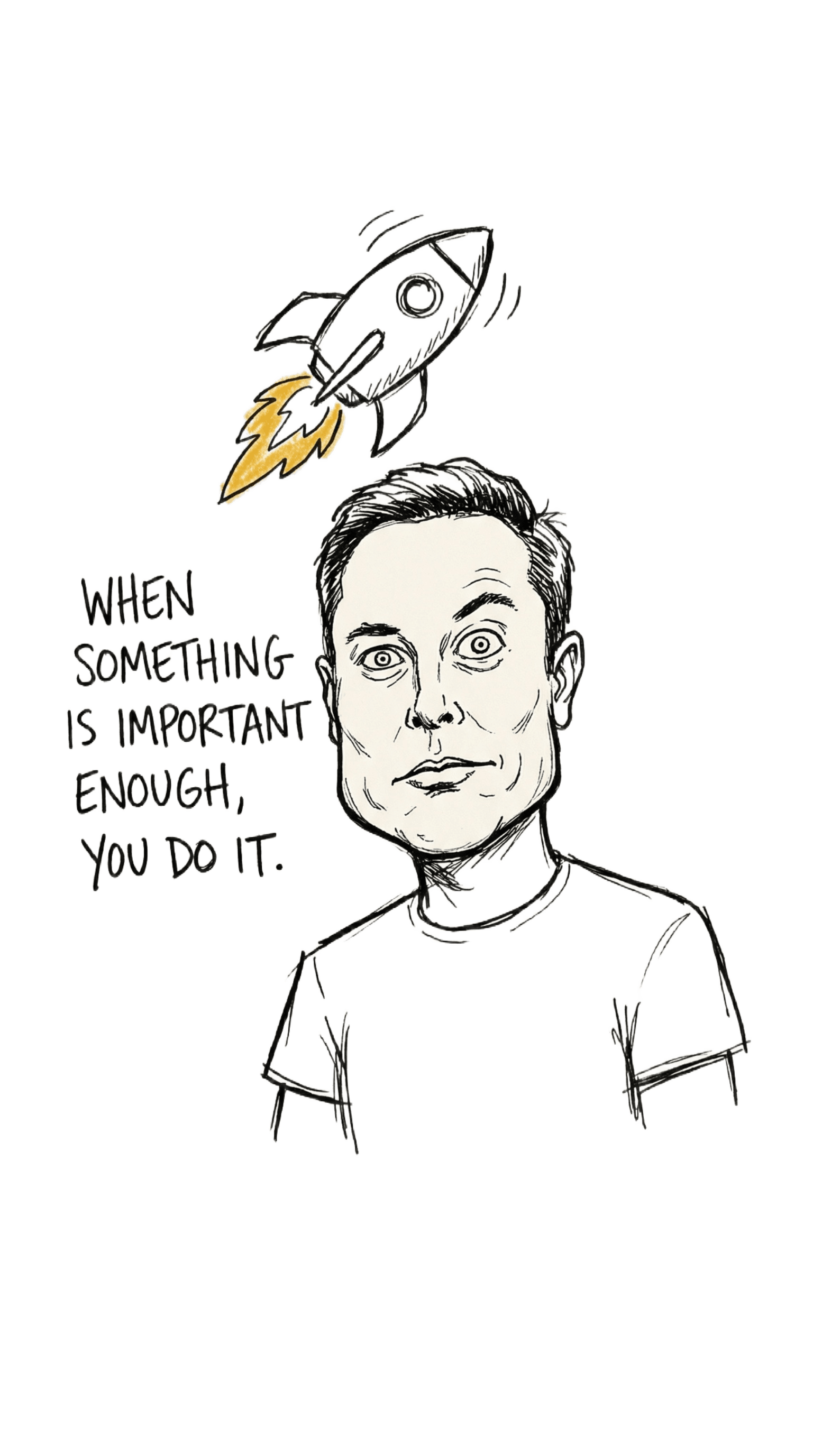
First-principles framing, deadpan understatement, a punchline in the last sentence.
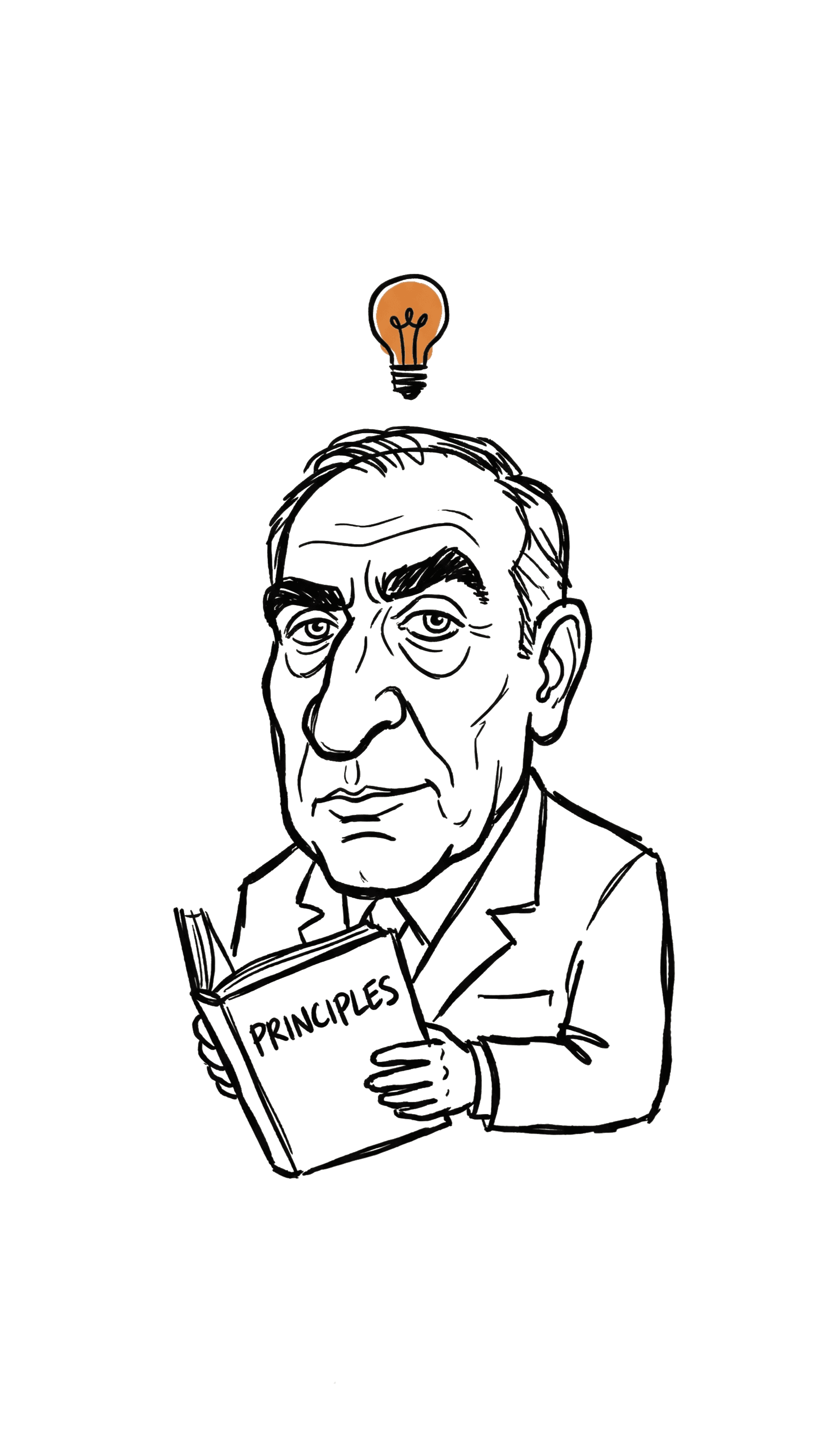
Numbered principles, framework-first thinking, careful permission to disagree.
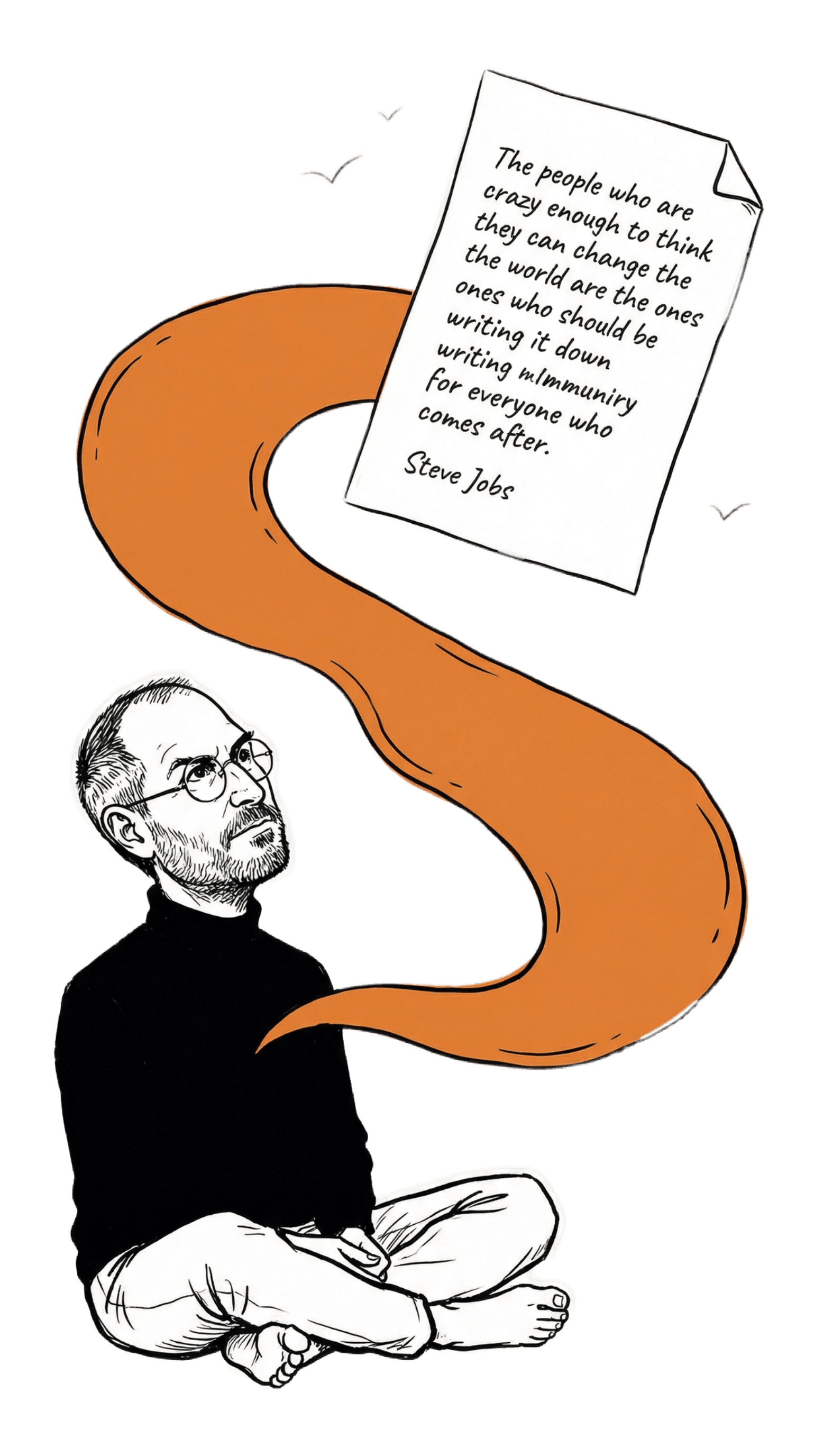
Crystallized verbs, short declaratives, the customer as the only character.
Yours next. Wren reads what you've written and keeps the rhythm that's already there.
What Wren reads
Wren pulls source material from wherever you already wrote it. If it exists in text form, he can read it.
Where Wren draws the line
If a section is thin, Wren marks it for you to fill in. He doesn't pad.
If you didn't write it, Wren won't try to make it sound like you.
Voice DNA flags low-confidence phrases for your review before they ship.
When you change something, Voice DNA learns from the edit. Wren doesn't argue back.
Worked example
Same prompt, two voices. Left: what Wren reads from a real LinkedIn post. Right: how Wren writes a new paragraph using that voice.
Input: your LinkedIn post
Most of my clients don't have a strategy problem. They have a decision-making problem. When the founder says “we need alignment,” what they usually mean is “I made a decision and I want everyone to feel like they were part of it.” Those are not the same exercise.
Output: Wren writing a new paragraph in your voice
Most teams don't have a meeting problem. They have a follow-through problem. When the manager says “we just need to talk it out,” what they usually mean is “I'll feel better after we discuss it and then we won't actually change anything.” Those are not the same outcome.
Privacy
Same Wren. Three different voices. Three published books.
Three authors. Three completely different voices. One companion. The cadence in each book is the author's, not the model's.

ON HEARING THEIR OWN VOICE BACK
“The first chapter Wren handed me, I read three sentences and forgot it wasn't mine. That's the proof, right there.”
FAQ
Five to fifty pages of your existing writing. More is better, but Wren doesn't need a novel to learn you. Ten strong LinkedIn posts beats fifty bland ones. Quality over volume.
Yes. Each book gets its own Voice DNA profile, so you can write a memoir in one voice and a business book in another. Profiles never leak across books.
Use your current writing as the source. Wren weights recent samples more heavily. If your voice changes mid-project, refresh the profile and Wren picks up the new shape on the next chapter.
It works, but Wren is optimized for non-fiction: business books, coaching books, founder memoirs, expertise-driven books. Fiction authors find structure assumptions lean argument-driven.
Co-author voice blending is on the Authority roadmap. Today, profiles are scoped to a single author per book.
When you're ready
Companion-mode if you're starting from scratch. Editor-mode if your manuscript is already done. Either way, the next click is a draft on screen.
From the field notes