pain-point: How Much Does It Cost to Write a Book in 2025?
Back to Blog

How Much Does It Cost to Write a Book in 2025?

How Much Does It Cost to Write a Book?

In 2014, Derek Sivers sat in a small New York apartment, staring at a plain-text file that would become Anything You Want. He had no agent, no publishing contract, and no interest in playing the traditional author game. He shipped a 96‑page manifesto that cost almost nothing to produce and went on to sell hundreds of thousands of copies, drive speaking invitations, and cement his reputation as a thoughtful founder.

Most entrepreneurs today are not Derek Sivers. They are being quoted $4,000 on Fiverr, $65,000 by a boutique ghostwriter, and $25,000 by a hybrid publisher, all for what sounds like the same thing: a “business book.” They Google how much does it cost to write a book and get answers that mix fantasy advances, NaNoWriMo novels, and $99 Canva covers. The result is confusion, not clarity.

Price comparison content is not neutral. Every quote, package, and “ultimate guide” is designed to steer you into someone’s product. If you do not anchor your budget to a clear ROI model, you will either underinvest and hurt your brand or overspend on services you do not need.

How much it costs to write a book typically ranges from $1,500–$7,500 for a lean, self-published business book and $15,000–$75,000+ when you include professional ghostwriting, editing, design, and launch support in 2025. Most credible, client-facing business authors invest at least $5,000–$20,000. Costs vary widely by word count, publishing route, and how much you DIY.

A business book is a non-fiction book that packages your expertise into a structured argument or framework intended to influence buyers, peers, or an industry.
A lead-generation asset is a piece of content designed primarily to attract, qualify, and convert prospects into buyers, not to generate direct content sales.
Opportunity cost is the value of the best alternative use of your time or money that you give up when you choose a different path.

You are not buying “a book.” You are buying a position on what we call the Author ROI Ladder, a spectrum from cheap calling card to flagship asset that can reframe your entire market.


The 2025 Reality: What Does It Actually Cost to Write and Publish a Business Book?

Assume a typical business book scope: 40,000–60,000 words, non-fiction, aimed at credibility and lead generation, not a mass‑market bestseller.

In 2025, a professional-quality business book can cost from about $3,000 on the extreme DIY end to $80,000+ for fully ghostwritten, done‑for‑you packages. Most serious entrepreneurs land between $12,000 and $45,000 in total cash outlay over 9–18 months.

Online cost ranges look chaotic because they mix fiction and non‑fiction, ignore author goals, and conflate self‑publishing, hybrid, and traditional models. A $1,200 romance edit on Reedsy is not comparable to a $35,000 thought‑leadership ghostwriting engagement that includes positioning, interviews, and launch assets.

There are three main publishing paths that drive your cost structure.

Self-publishing is when you, the author, pay for and control all production and distribution, typically using platforms like Amazon KDP and IngramSpark plus freelance specialists.
Hybrid publishing is a model where the author pays a publisher a fee to manage production and distribution, in exchange for shared control and shared royalties.
Traditional publishing is a model where a publisher funds production and pays the author an advance and royalties, in exchange for rights and significant control.

DIY self-publishing usually means Amazon KDP for print-on-demand and Kindle, plus IngramSpark for wider distribution. According to Bowker’s 2023 “Self-Publishing Report,” more than 2.3 million self-published titles were registered with ISBNs in 2022, which has driven a mature ecosystem of freelance editors and designers.

Curated freelancer stacks, often sourced via Reedsy, referrals, or specialist agencies, sit in the middle. Reedsy is an online marketplace that connects authors with vetted editors, designers, and marketers for book projects. You assemble your own “virtual publishing team” and keep full control.

Hybrid and traditional publishing shift some costs off your balance sheet but add constraints. According to the Authors Guild’s 2023 “Author Income Survey,” median advances for non‑celebrity non‑fiction remain in the low five figures, which rarely covers the time investment of a busy founder.

The often-ignored factor is your own time.

If you bill $250 an hour and spend 200 hours drafting and revising, that is $50,000 in opportunity cost whether or not you write a single check. For many entrepreneurs, the hidden cost of writing is larger than the visible cost of editing and design.

The rest of this article climbs the Author ROI Ladder step by step, so you can decide which tier of investment matches your business model, then choose the publishing and production path that gives you the highest return for every dollar and hour you spend, including where AI can safely replace 30–60 percent of traditional writing and structural editing spend.


Climbing the Author ROI Ladder: Four Investment Levels for Business Books

The Author ROI Ladder maps business book budgets to expected business outcomes.

We use four tiers: Bare‑Bones, Professional, Authority, and Flagship. Each tier has a typical budget range, production choices, and ROI pattern.

The Bare-Bones tier is a low-budget, high‑DIY approach to producing a functional but minimal business book.
The Professional tier is a moderate‑budget approach focused on producing a polished, on‑brand book without extensive custom strategy or ghostwriting.
The Authority tier is a higher‑budget approach designed to position the author as a leading expert and drive premium offers, speaking, and PR.
The Flagship tier is a top‑end investment where the book is treated as a core product launch and category‑defining asset.

The Author ROI Ladder at a Glance

Tier Typical Cash Budget (2025) Core Features Common ROI Pattern
Bare-Bones $3,000–$7,000 Heavy DIY, AI drafting, light editing, basic KDP Supports existing leads, minor credibility boost
Professional $7,000–$18,000 Solid editing, pro cover, clean layout, basic launch Protects brand, improves close rates with warm leads
Authority $18,000–$40,000 Dev editing, partial ghostwriting, marketing assets Drives speaking, high-ticket offers, media interest
Flagship $40,000–$100,000+ Full ghostwriting, strategy, PR, launch campaign Anchors category narrative, six- or seven-figure upside

At the Bare‑Bones tier ($3,000–$7,000), bootstrapped founders lean on AI drafting, minimal professional editing, and basic KDP setup. You might pay $1,000–$2,000 for a combined light edit and proofread, $500–$1,000 for a simple cover, and do formatting yourself using tools like Vellum or Atticus. Bare‑Bones books can work as “good enough” calling cards for existing leads, but they rarely break out beyond your current network.

The Professional tier ($7,000–$18,000) suits consultants and agencies who want a polished, non‑embarrassing book that fits their brand. Typical budgets include $1,500–$3,000 for strategy and outlining help, $2,000–$5,000 for developmental and line editing, $800–$1,500 for copyedit and proof, $800–$2,000 for cover design, and $300–$800 for interior layout. This level usually delivers a book that supports sales calls, warms up prospects, and justifies higher fees.

The Authority tier ($18,000–$40,000) is for entrepreneurs who want the book to be a core authority asset. You are paying for deeper developmental editing, more strategic positioning, partial ghostwriting based on interviews, and more robust launch support. This is the tier where books start to drive consistent speaking invitations, podcast appearances, and inbound leads for high‑ticket offers.

The Flagship tier ($40,000–$100,000+) is where founders treat the book like a product launch. You fund full ghostwriting, intensive positioning, PR, and a coordinated launch campaign with bulk sales, events, and ongoing promotion. According to McKinsey’s 2022 “Thought Leadership in B2B” report, companies with strong thought leadership see up to 20 percent higher win rates on deals; Flagship‑tier books are built to create that kind of lift.

The right tier depends on your revenue model, existing audience, and how central the book will be to your funnel. A coach selling $2,000 group programs cannot sensibly invest $80,000 in a Flagship project. A firm closing $25,000 retainers can often justify Authority or Flagship spend if the book improves close rates by even a few deals per year.


How Much Does It Cost to Write a Book Yourself vs. Hire a Ghostwriter in 2025?

You either write the manuscript yourself, possibly with AI assistance, or you pay a ghostwriter to turn your ideas and interviews into a book.

A ghostwriter is a professional writer who creates content that is officially credited to another person.

In 2025, experienced non‑fiction ghostwriters for business books typically charge $0.50–$1.50 per word. For a 40,000–60,000 word book, that is roughly $25,000–$80,000+, depending on their track record and how much strategy and revision is included. Top‑tier names, especially those with major‑publisher bestsellers, can charge more.

Most ghostwriting engagements are flat‑fee packages with milestone payments, such as 30 percent on contract signing, 30 percent on outline approval, 20 percent on first full draft, and 20 percent on final manuscript. Packages usually include interviews, outlining, drafting, two to three revision rounds, and sometimes back‑cover copy or a proposal.

For a DIY author, drafting and revising a 50,000‑word book typically takes 150–300 hours. At a $250 hourly effective rate, that is $37,500–$75,000 in foregone revenue, even if your cash spend is under $10,000. For founders in the $300–$500/hour band, the math tilts even more strongly toward delegation or heavy AI leverage.

AI-assisted drafting can cut that time significantly. Turning transcripts, frameworks, and blog archives into structured chapter drafts can reduce drafting time by 30–60 percent. You still need to review, correct, and inject stories, but you are no longer facing a blank page.

A simple decision rule helps.

If your effective hourly rate is under about $100 and you do not hate writing, DIY plus targeted editing is often optimal. If your effective hourly rate is $300+ and you dread writing, ghostwriting or a hybrid AI‑plus‑editor model is usually more economical, even if the invoice stings.

There are red flags when hiring ghostwriters: vague scopes, no clear revision rounds, no portfolio of similar business books, and unclear IP or credit terms. You want explicit language that you own the copyright and that the writer’s contribution is work‑for‑hire.

The opportunity cost of writing is often invisible on quotes and sales pages. It shows up later as missed deals and late projects while you wrestle with chapters at 11 p.m.


FAQ: How much should I expect to pay a ghostwriter for a 40–60k word business book, and how does that compare to writing it myself?

For a 40,000–60,000 word business book in 2025, expect to pay a competent non‑fiction ghostwriter $25,000–$80,000+, depending on their profile and scope. Writing it yourself might cost under $10,000 in services but 150–300 hours of your time, which often exceeds the ghostwriting fee once you factor in opportunity cost.


Where Do Most of the Costs Sit? A Stage-by-Stage Breakdown from Idea to Launch

Producing a business book is an 8‑stage pipeline: strategy & positioning, outlining & research, drafting, editing, design & formatting, publishing setup, launch & marketing, and ongoing promotion.

Developmental editing is a form of editing that focuses on structure, argument, and content, not sentence‑level polish.
Line editing is a form of editing that improves style, clarity, and flow at the sentence and paragraph level.
Copyediting is a form of editing that corrects grammar, spelling, punctuation, and consistency issues.
Proofreading is the final quality check to catch remaining typos and minor formatting errors before publication.
Vellum is a software tool used to format manuscripts into print and ebook files for self‑publishing.
Reedsy is a marketplace that connects authors with vetted publishing professionals such as editors and designers.

Under a curated freelancer or DIY model in 2025, typical ranges look like this:

  1. Strategy & positioning: $500–$3,000 for a consultant or book coach to clarify your audience, promise, and structure.
  2. Outlining & research: $0–$3,000 depending on whether you do it yourself, use AI, or hire help.
  3. Drafting: $0–$10,000 in services if you write it yourself, or $25,000–$80,000+ if you pay a ghostwriter.
  4. Editing:
    • Developmental edit: $2,000–$8,000.
    • Line edit: $1,500–$5,000.
    • Copyedit/proof: $800–$3,000.

According to the Editorial Freelancers Association’s 2023 “Rate Survey,” typical non‑fiction editing rates cluster around 3–7 cents per word, which aligns with these ranges for a 50,000‑word manuscript.

  1. Design & formatting: $500–$2,500 for cover design, $300–$2,000 for interior layout depending on complexity and whether you use Vellum or a custom typesetter.
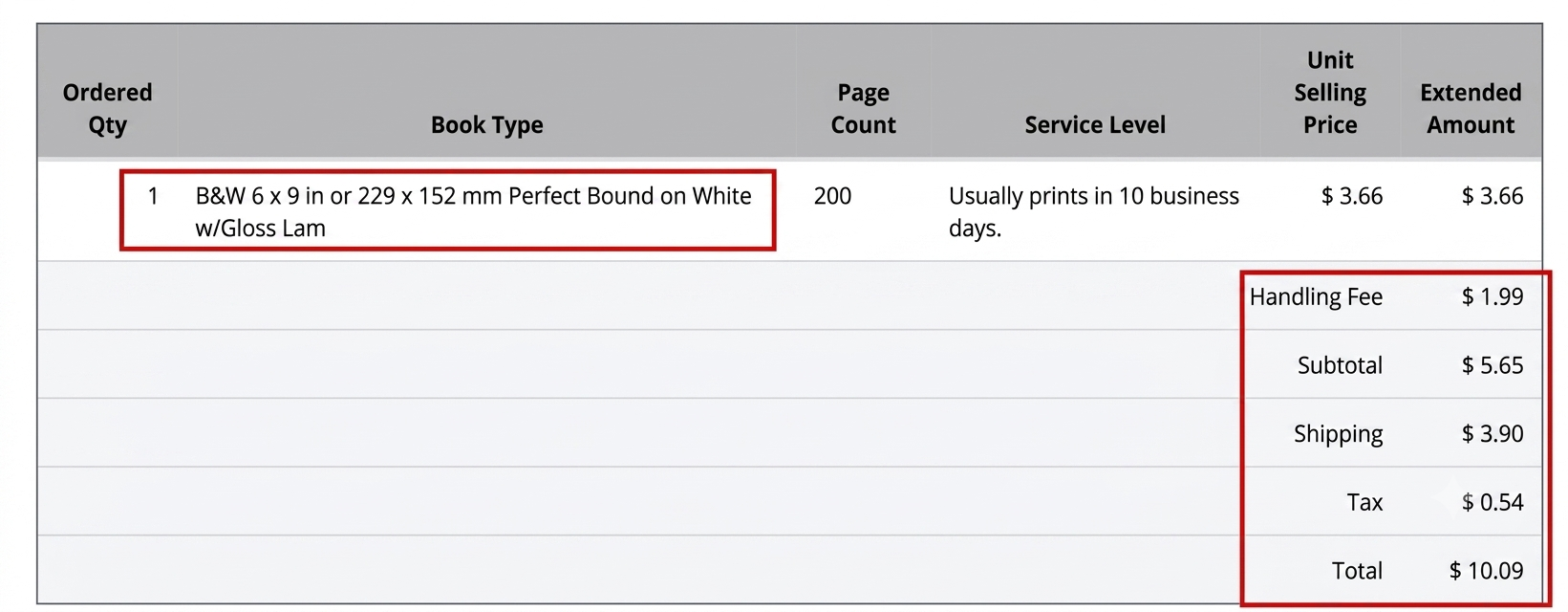
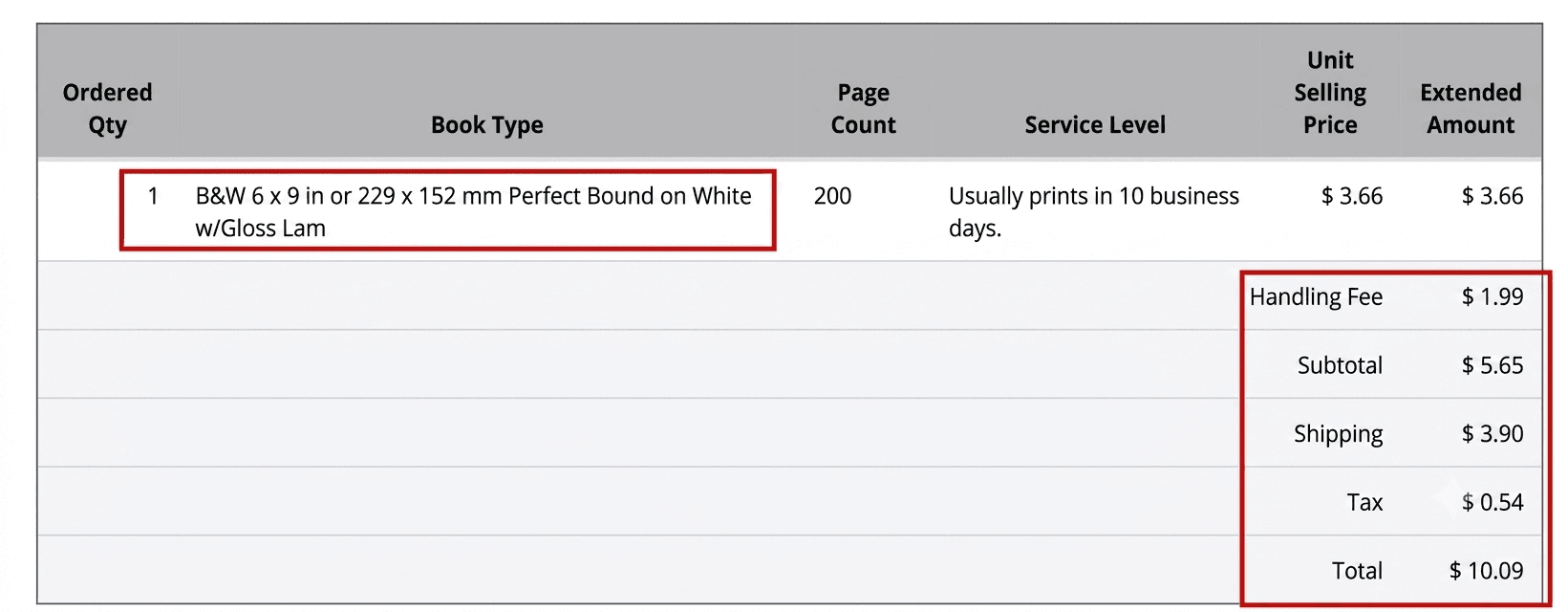
  2. Publishing setup: KDP is free; IngramSpark charges modest setup and revision fees (often $25–$50 per format per update). ISBN blocks from Bowker in the US cost $125 for one or $295 for ten.
  3. Launch & marketing: $1,500–$10,000 for launch strategy, copy, Amazon optimization, and basic campaigns.
  4. Ongoing promotion: variable, from $100/month for ads to larger PR retainers.

AI can safely reduce spend in three areas: content structuring and first‑draft generation, early developmental feedback, and line‑level cleanup before copyediting, which can reduce the intensity and cost of human passes.

To map your own project, use this checklist:

  1. List each stage: strategy, outline, draft, edit, design, setup, launch.
  2. Mark which stages you can credibly DIY without hurting quality.
  3. Mark which stages you can accelerate with AI and templates.
  4. Allocate your budget to the remaining stages, prioritizing editing and cover design.

Reedsy’s marketplace pricing tends to be slightly higher than going direct to freelancers, but you pay for curation and platform protection. For busy entrepreneurs, the time saved on vetting often outweighs the small premium.


FAQ: What are the step-by-step stages of producing a business book and where do most of the costs sit?

The main stages are strategy, outlining, drafting, editing, design, publishing setup, and launch. Most cash costs sit in editing ($3,000–$10,000), cover and layout ($800–$4,500), and, if you use one, ghostwriting ($25,000–$80,000+). DIY drafting and AI tools can reduce costs but not eliminate professional editing needs.


Self-Publishing vs. Hybrid vs. Traditional: How the Publishing Model Changes Your Budget and Royalties

Amazon KDP is Amazon’s self‑publishing platform for print‑on‑demand paperbacks and Kindle ebooks.
IngramSpark is Ingram’s platform for print‑on‑demand and ebook distribution to bookstores and libraries.
An ISBN is a unique identifier assigned to each edition of a book for cataloging and sales tracking.
Royalties are the payments an author receives based on sales of their book, usually a percentage of list price or net receipts.

In self‑publishing, you pay all production costs but keep 60–70 percent royalties on Amazon KDP (after print costs) and similar percentages through IngramSpark. You retain full rights and control pricing, formats, and updates.

Hybrid publishing in 2025 typically involves an author investment of $10,000–$40,000. The hybrid publisher manages editing, design, distribution, and some marketing. Royalties are often 30–50 percent of net receipts, with contract terms that vary widely.

Traditional publishing usually requires no upfront payment from the author. You may receive an advance, often modest for niche business books, such as $5,000–$25,000. Royalties might be 10–15 percent of list on hardcovers and 25 percent of net on ebooks. Timelines are long, often 18–24 months from contract to publication, and publishers prioritize authors with existing platforms and clear sales potential.

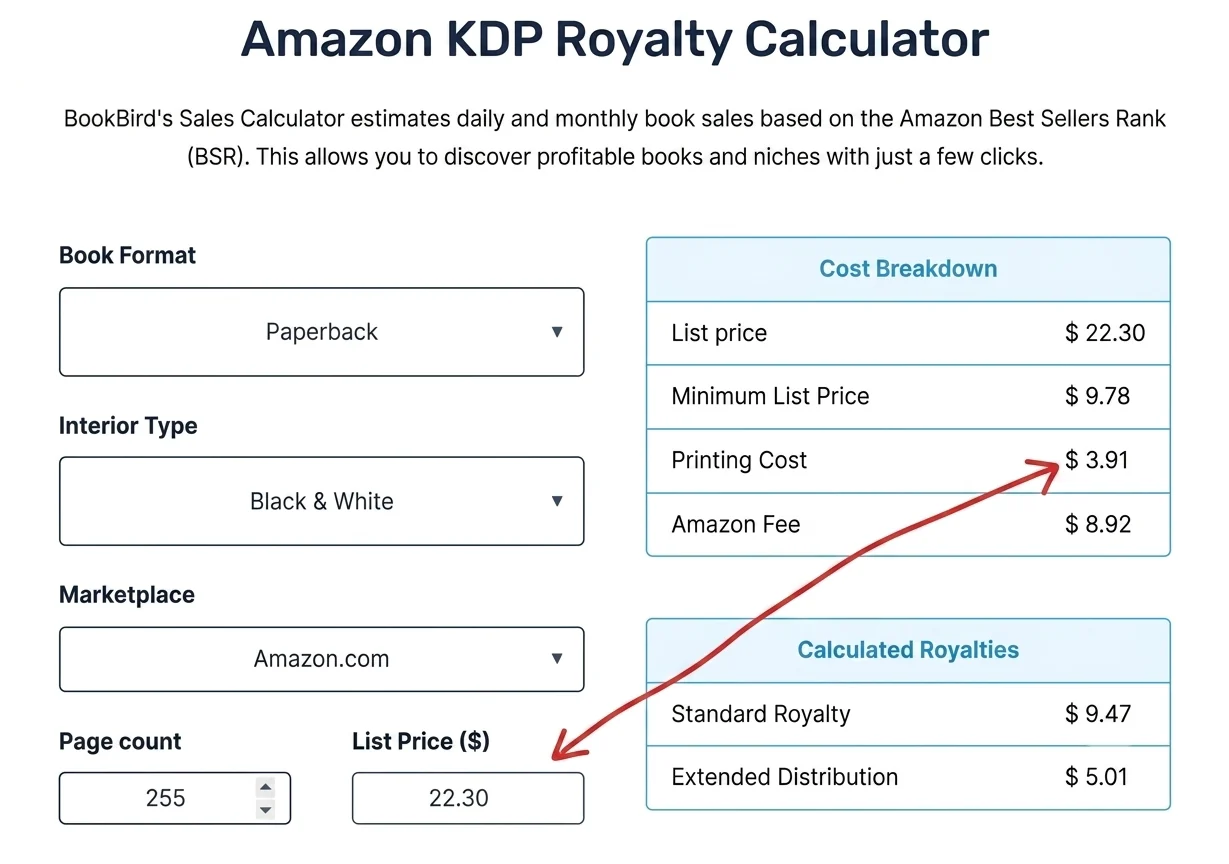
Self‑publishing economics are straightforward. On a $19.99 paperback via KDP, you might net around $5–$7 per copy after print and Amazon’s cut. According to Bowker’s 2023 “Self-Publishing Report,” 80 percent of self‑published titles sell fewer than 100 copies in their first year, which is why entrepreneurs should treat the book as a marketing asset, not a royalty play.

Hybrid models vary. Some hybrids take a smaller royalty cut but require bulk purchases. Others charge lower upfront fees but retain rights for audio or foreign editions. You must read the contract carefully.

Rights and control matter more for entrepreneurs than for pure authors. If your book is a core marketing asset, you want control over pricing, the ability to do free or discounted promotions, and freedom to create derivative content like workbooks or courses. Long non‑compete clauses and broad rights grabs can choke your funnel for years.

Consider a simple scenario: 2,000 copies sold at $19.99.

  • Self‑publishing at a $6 net per copy yields about $12,000.
  • Hybrid at 40 percent of net might yield $4,800.
  • Traditional at 10 percent of list might yield about $4,000, often offset against your advance.

For a consultant closing $15,000 engagements, one client pays for the entire production, which is why royalties should not drive your model choice.

Watch for contract red flags in hybrid and traditional deals: mandatory bulk purchase requirements, non‑transparent print costs, rights grabs for unrelated formats, and long non‑compete clauses around topics adjacent to your expertise.


FAQ: What’s the difference in royalties and rights between self-publishing, hybrid, and traditional publishing deals for a business book?

Self‑publishing gives you the highest royalties (often 60–70 percent of list after print) and full rights control. Hybrid deals involve you paying production costs, then sharing 30–50 percent of net with the publisher. Traditional deals pay lower royalties (around 10–15 percent of list) but may include an advance and require you to grant significant rights.


What Does a ‘Professional, Not Embarrassing’ Business Book Actually Cost in 2025?

Professional cover design is the process of creating a book cover that meets industry standards for typography, layout, and genre expectations.

A “professional, not embarrassing” business book has coherent structure, clear positioning, clean prose, a professional cover, readable interior, and no glaring typos. It will not win design awards, but it will not make a prospect question your competence.

Under a self‑publishing plus freelancers model in 2025, a realistic budget for this standard is $7,000–$15,000 if you write the draft yourself, possibly with AI assistance.

A sample Professional tier budget might look like this:

  • $1,500–$3,000 for strategy and outline help.
  • $2,000–$5,000 for combined developmental and line editing.
  • $800–$1,500 for copyedit and proof.
  • $800–$2,000 for cover design.
  • $300–$800 for interior layout using Vellum plus light design.
  • $500–$2,000 for basic launch assets and Amazon optimization.

You can economize by using Vellum instead of a custom typesetter, leaning on AI for early drafts and self‑editing, and handling some launch tasks yourself. You should not cut corners on cover design or at least one professional editing pass, because these are the two fastest ways to signal “self‑published and cheap.”

Amazon KDP charges no setup fee, but print costs eat into your margin. IngramSpark charges modest setup and revision fees, which are negligible compared to editing and design.

The psychological cost of a visibly amateur book is harder to quantify. Agency owners who ship low‑quality books see lower conversion rates on high‑ticket offers and sometimes find prospects quietly avoiding mentioning the book at all. A cheap book can be an expensive mistake.

A simple must‑have versus nice‑to‑have checklist helps:

Must‑have: clear positioning, coherent structure, at least one pro edit, professional cover, readable layout, and clean proof.
Nice‑to‑have: custom illustrations, advanced launch campaigns, hardcover editions, and complex funnels.


FAQ: What’s the lowest budget I can realistically spend on a business book without it looking self-published and cheap?

If you write the manuscript yourself and use AI wisely, a realistic floor for a professional‑looking business book in 2025 is about $7,000–$10,000. That covers solid editing, a professional cover, clean layout, and basic launch support. Spending much less usually shows on the page and can hurt your brand.


Using AI Plus Human Experts to Cut Your Business Book Budget in Half

Structural editing is the process of improving a manuscript’s organization, flow, and argument at the chapter and section level.
Work-for-hire is a legal arrangement where the creator’s work is owned by the client from the outset, not by the creator.

AI tools, including Built&Written, can transform raw expertise into structured chapter drafts. You record calls, webinars, or solo sessions that capture your frameworks and stories. The AI then turns those transcripts into outlines, chapter drafts, and refined sections that sound like you, not a generic blog.

By doing AI‑assisted drafting and structural passes yourself, you can often reduce ghostwriting or heavy developmental editing spend by 30–60 percent. That shifts budget to higher‑value human work like strategy, refinement, and polish.

A practical workflow looks like this:

  1. Capture your IP via recorded sessions focused on your core frameworks and client stories.
  2. Use AI to generate a detailed outline and chapter‑level drafts from those transcripts.
  3. Self‑revise with AI‑assisted line edits to tighten language and remove repetition.
  4. Hire a human developmental or line editor for a focused pass on structure and clarity.
  5. Send the near‑final manuscript to a copyeditor or proofreader.

Compared to traditional ghostwriting at $30,000–$60,000+, an AI‑plus‑editor model can often land in the $8,000–$18,000 range, depending on how much you do yourself. You retain your authentic voice and deeper subject‑matter nuance, while professionals ensure the book meets market standards.

Quality concerns are real. AI is strong at structure, clarity, and speed. It is weak at original insights, nuanced stories, market positioning, and legal or ethical judgment. Humans remain irreplaceable in those areas.

To decide what to automate versus outsource, ask three questions for each task:

  1. Is this primarily mechanical or judgment‑heavy?
  2. Would a visible mistake here damage my brand or create legal risk?
  3. Do I personally have the taste to judge whether this is “good enough”?

Use AI for mechanical tasks, outsource judgment‑heavy tasks that affect credibility, and keep strategic decisions close.

When using AI and human collaborators, ensure you retain full rights to the manuscript. Your contracts with ghostwriters or editors should specify work‑for‑hire or explicit rights assignment, so there is no ambiguity about ownership.


FAQ: How can I use AI plus a human editor to cut my ghostwriting budget in half for a business book?

Use AI to turn recorded sessions and existing content into structured drafts, then hire a human developmental or line editor plus a copyeditor. This AI‑plus‑editor model often lands in the $8,000–$18,000 range, compared to $30,000–$60,000+ for full ghostwriting, while keeping quality high and your voice intact.


Estimating the ROI of Your Business Book: From Lead Magnet to Flagship Asset

ROI is the ratio between the net gain from an investment and the cost of that investment.
A lead magnet is a piece of content offered to prospects to capture their interest and contact information.
A sales funnel is the sequence of steps that moves prospects from awareness to purchase.

For consultants and agencies, the book is a marketing asset, not a royalty engine. Most of the return comes from leads, speaking, and higher close rates, not from $19.99 sales on Amazon. The books that pay off fastest are those tightly integrated into a clear, high‑ticket offer.

A simple ROI model works like this.

  1. Define your core offer and average deal size.
  2. Estimate a conservative conversion uplift from having a book, for example a 10–20 percent improvement in close rates on warm leads who read it.
  3. Estimate how many leads per year will meaningfully engage with the book.
  4. Project incremental revenue over 2–3 years and compare it to your book budget.

If you sell a $25,000 consulting engagement, one new client covers a Professional or Authority tier book. If a Flagship‑level book helps you open a new market or raise prices by 20 percent, the downstream revenue can reach six or seven figures over a few years.

Different tiers on the Author ROI Ladder align with different expectations. Bare‑Bones books usually support existing sales, giving you a leave‑behind that reassures prospects. Authority and Flagship books are designed to open doors that were previously closed: keynote stages, enterprise accounts, or strategic partnerships.

Pricing and funnel strategy matter. You might use the book as a low‑friction entry point, such as free plus shipping, bulk gifts for events, or a pre‑call asset in your sales process. According to LinkedIn’s 2022 “B2B Thought Leadership Impact Study,” 54 percent of decision‑makers say thought leadership content has led them to award business to a company, which is the dynamic you are trying to tap.

A solo consultant can add hundreds of thousands in revenue over 18–24 months from speaking and inbound leads tied to a well‑positioned Authority‑tier book, even if the book itself sells only a few thousand copies. The real payoff comes from the deals it makes easier to win.

Controlling production costs through smart use of AI, targeted human expertise, and the right publishing model improves ROI without sacrificing credibility. The goal is not to spend the least or the most, but to match your investment to a realistic revenue story.


FAQ: How do I estimate the ROI of a business book based on my current pricing and sales funnel?

Multiply your average deal size by the number of additional clients or speaking fees you expect the book to generate over 2–3 years, using conservative assumptions about conversion uplift. If that number comfortably exceeds your total book investment, including your time, the project is likely economically sound.


The Verdict

A business book in 2025 is not a lottery ticket or a vanity project. It is a capital allocation decision. For most established entrepreneurs, the rational move is to pick a rung on the Author ROI Ladder that matches their revenue model, then assemble a lean, AI‑assisted, human‑edited production stack that delivers a professional asset without bloated overhead. Self‑publishing with curated freelancers and selective tools like Built&Written usually beats hybrid and traditional deals on both control and economics, provided you respect the real costs of editing, design, and your own time. The truth about how much it costs to write a book is that the wrong budget can be more expensive than the right one, no matter how small the invoice.

Key Takeaways

  • Most credible business books for consultants and agencies cost $7,000–$40,000 in 2025, with DIY extremes below and Flagship ghostwritten projects above $80,000.
  • The Author ROI Ladder links four investment tiers to specific business outcomes, so you can budget based on revenue goals instead of generic price lists.
  • Your time is often the largest hidden cost; 150–300 writing hours at founder rates can exceed a professional ghostwriter’s fee.
  • AI plus targeted human editing can cut creation costs by 30–60 percent while still meeting the “professional, not embarrassing” standard.
  • Treat the book as a marketing asset whose ROI comes from leads and higher close rates, not from royalties, and choose your publishing model accordingly.

Frequently asked questions

  • How much should I expect to pay a ghostwriter for a 40–60k word business book, and how does that compare to writing it myself?

    For a 40,000–60,000 word business book in 2025, expect to pay a competent non‑fiction ghostwriter $25,000–$80,000+, depending on their profile and scope. Writing it yourself might cost under $10,000 in services but 150–300 hours of your time, which often exceeds the ghostwriting fee once you factor in opportunity cost.

  • What are the step-by-step stages of producing a business book and where do most of the costs sit?

    The main stages are strategy, outlining, drafting, editing, design, publishing setup, and launch. Most cash costs sit in editing ($3,000–$10,000), cover and layout ($800–$4,500), and, if you use one, ghostwriting ($25,000–$80,000+), and while DIY drafting and AI tools can reduce costs they do not eliminate the need for professional editing.

  • What’s the difference in royalties and rights between self-publishing, hybrid, and traditional publishing deals for a business book?

    Self‑publishing gives you the highest royalties (often 60–70 percent of list after print) and full rights control, hybrid deals involve you paying production costs then sharing 30–50 percent of net with the publisher, and traditional deals pay lower royalties (around 10–15 percent of list) but may include an advance and require you to grant significant rights.

  • What’s the lowest budget I can realistically spend on a business book without it looking self-published and cheap?

    If you write the manuscript yourself and use AI wisely, a realistic floor for a professional‑looking business book in 2025 is about $7,000–$10,000. That covers solid editing, a professional cover, clean layout, and basic launch support, and spending much less usually shows on the page and can hurt your brand.

  • How can I use AI plus a human editor to cut my ghostwriting budget in half for a business book?

    Use AI to turn recorded sessions and existing content into structured drafts, then hire a human developmental or line editor plus a copyeditor. This AI‑plus‑editor model often lands in the $8,000–$18,000 range, compared to $30,000–$60,000+ for full ghostwriting, while keeping quality high and your voice intact.

  • How do I estimate the ROI of a business book based on my current pricing and sales funnel?

    Multiply your average deal size by the number of additional clients or speaking fees you expect the book to generate over 2–3 years, using conservative assumptions about conversion uplift. If that number comfortably exceeds your total book investment, including your time, the project is likely economically sound.

  • What does a professional-quality business book typically cost in 2025 if I’m a consultant or agency owner?

    In 2025, a professional-quality business book can cost from about $3,000 on the extreme DIY end to $80,000+ for fully ghostwritten, done‑for‑you packages, with most serious entrepreneurs landing between $12,000 and $45,000 in total cash outlay over 9–18 months.

  • How much does it cost to produce a ‘professional, not embarrassing’ business book if I write it myself?

    Under a self‑publishing plus freelancers model in 2025, a realistic budget for a “professional, not embarrassing” business book is $7,000–$15,000 if you write the draft yourself, possibly with AI assistance, covering strategy help, editing, cover design, interior layout, and basic launch assets.

Sources & References

  1. Bowker’s 2023 “Self-Publishing Report”
  2. Authors Guild’s 2023 “Author Income Survey”
  3. Editorial Freelancers Association’s 2023 “Rate Survey”
  4. McKinsey’s 2022 “Thought Leadership in B2B” report
  5. LinkedIn’s 2022 “B2B Thought Leadership Impact Study”

Ready to write your book?

Turn your expertise into a professional book with Built&Written.

Put your book on the page