


How to Write a Business Book Title That Gets Clicked and Remembered
How to Write a Business Book Title That Gets Clicked and Remembered
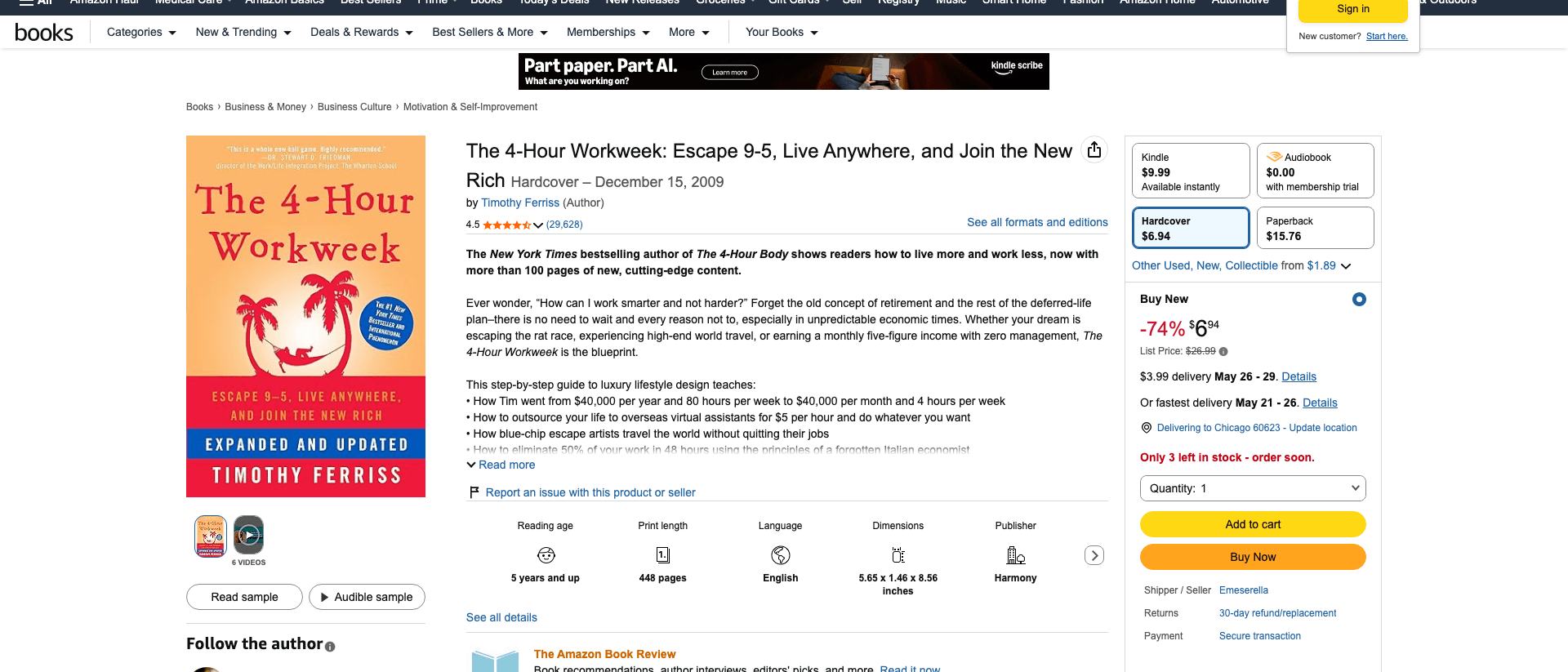
In 2006, Tim Ferriss had a finished manuscript and no title. The working title was Drug Dealing for Fun and Profit. It was a joke between him and his agent, but it had become the file name on his laptop, the placeholder on the cover mockup, and the running header on every printed draft. The book was about lifestyle design, four-hour workweeks, geographic arbitrage. It was decidedly not about drug dealing.
So Ferriss did something most authors still do not do. He bought Google AdWords. He ran headlines like Drug Dealing for Fun and Profit, Broadband and White Sand, Millionaire Chameleon, and The 4-Hour Workweek against the same keyword set. He looked at click-through rate. The 4-Hour Workweek won by a wide margin. The book became one of the most influential business books of the 2000s.
That story has been retold so many times in business-book circles it has lost its edge. The lesson people take from it is "test your title." The lesson they should take from it is harder: your title is the only sentence in your book that 100% of your audience will read. Most coaches we work with spend six months on the manuscript and forty-five minutes on the title. That ratio is backward, and it is the reason most coaching books quietly fail on Amazon while inferior books outsell them.
This guide is for the coach who has a draft (or close to one) and now has to land the title. We will walk through the 5-Lens Title Test, the subtitle formula that works for category-fit on KDP, how to brainstorm 50 candidates in an afternoon, how to validate before you print, and the specific mistakes we see most often in coaching books on Amazon KDP.
Key takeaway: For coaches in 2026, a business book title needs to pass five lenses: Clarity, Curiosity, Search Intent, Shelf Test, and Speakability. Brainstorm 50 candidates, narrow to 5, validate with a cover mockup and a 100-person poll, then commit. Spend more time on the title than on any single chapter.
The Tim Ferriss story is not really about A/B testing
Most people quote the Ferriss AdWords story as a tactic. "Run paid ads on your candidate titles, measure CTR, pick the winner." That is the surface read. The deeper read is that Ferriss treated his title as a falsifiable hypothesis. He had four candidates. He did not assume he knew which would win. He let the data tell him.
Coaches do the opposite. They marry the first title that feels emotionally resonant in their morning shower, defend it through cover design and KDP upload, and never pressure-test it against a single outside opinion. By the time the book goes live on Amazon, the title is locked in. Six months later the book has 47 reviews, a 4.6 star rating, and 12 organic sales a month. They blame the cover or the keywords or the price. The title was the actual problem and there is no way to fix it after the fact without republishing.
Here is the harder truth. Most coaches do not need an A/B test. They need to stop writing titles in the shower. They need a process. The 5-Lens Title Test below is that process, and it is designed to be runnable in an afternoon. It will save you from shipping a book called Drug Dealing for Fun and Profit when you should be shipping one called The 4-Hour Workweek.
Why your book title is the highest-stakes sentence you will write
Think about the work your title has to do. On Amazon, it is the first text in the search result, displayed in a font larger than the author name. In a Google search for "best book on executive presence," your title competes for the snippet that AI Overviews will lift. In a LinkedIn post where you mention your book in passing, it is the noun the reader will remember (or not) by Friday. On the back of a conference badge, it is the conversation starter. On a podcast intro, it is what the host says before asking the first question.
By contrast, your chapter 7 closing paragraph is something fewer than 8% of buyers will ever read. Most readers of nonfiction abandon by chapter 3. This is not a criticism of readers. It is just data. Pew Research and Bookbub have published reading-completion stats consistently in this range for the past decade. The title is the only piece of your book that gets 100% audience exposure. Everything else is conditional.
For a coach, the math gets sharper. A coaching book is a lead-generation asset, not a revenue product. A great title converts one strange-but-curious LinkedIn impression into a paid coaching consult worth $3,000-$15,000. A mediocre title converts that same impression into nothing. You are not selling a $12 paperback. You are selling the difference between a $0 client and a $30,000 client. The title is the funnel entrance.
This is why "your title matters" is the most under-respected advice in self-publishing. Coaches hear it and nod. They go back to defending their working title. The framing that gets them to actually do the work is simple: the title is the highest-stakes sentence you will write in your career as a published author. Treat it that way.
There is a secondary point that matters specifically on KDP. Amazon's search algorithm treats the title and subtitle as the highest-weighted text fields in the relevance score. Your title and subtitle, combined, are doing more SEO work for your book on Amazon than every other field combined. Get them right and the algorithm helps you. Get them wrong and you are paying for ads forever just to compensate. We cover the algorithm-specific tactics in how to price your coaching book on Amazon KDP and what is Amazon KDP.
The 5-Lens Title Test
A working business book title has to pass five separate filters. Each one represents a different reader behavior. A title that passes four out of five still fails, because the missing lens is exactly the moment your reader bounces. Run every candidate title through every lens. The candidates that pass all five are your shortlist.
Lens 1: Clarity
Can a stranger guess what the book is about in under three seconds? Read the title to someone who has never heard of you. Ask them, "What do you think this book is about?" If they describe something different from what you wrote, the title fails clarity.
Atomic Habits passes. A reader who has never heard of James Clear can tell you it is a book about small, repeatable behaviors that compound. The Coaching Habit by Michael Bungay Stanier passes. Drug Dealing for Fun and Profit fails (it sounds like a memoir of crime, not a productivity book). Built to Sell by John Warrillow passes (it is a book about engineering your company to be sellable). Crush It! by Gary Vaynerchuk arguably fails on clarity, but Vaynerchuk had a YouTube audience large enough to brute-force category awareness. You do not. Optimize for clarity.
The shower-title failure mode usually fails this lens. Coaches love metaphor-heavy titles like The Inner Compass or The Lighthouse Coach. These sound poetic. They tell the reader nothing about what they will learn. Run the stranger test before you commit.
Lens 2: Curiosity
Does the title create a small open loop in the reader's brain that they want closed? Curiosity is the second half of clarity. A perfectly clear title with zero curiosity is How to Improve Your Habits. Nobody clicks. Atomic Habits gives the reader the same clarity (this is a book about habits) but adds an unfamiliar adjective that creates a question (what does atomic mean here?).
The most reliable curiosity patterns in business book titles:
- A specific number paired with a familiar noun: The 7 Habits of Highly Effective People, The 4-Hour Workweek, The 22 Immutable Laws of Marketing.
- An unexpected adjective on a familiar noun: Atomic Habits, The Lean Startup, Antifragile.
- A two-word juxtaposition that should not fit: Quiet Leadership, Dare to Lead, Originals.
- A familiar phrase with one word inverted: Start with Why, Eat That Frog.
Avoid curiosity that is too clever to decode. The Mom Test by Rob Fitzpatrick is a borderline case. It works because it has a strong subtitle (How to talk to customers and learn if your business is a good idea when everyone is lying to you). The subtitle does the clarity work; the title does the curiosity work. Without the subtitle, The Mom Test fails the stranger test.
Lens 3: Search Intent
Does the title contain words a buyer would actually type into Amazon or Google when looking for a book on this topic? This is the lens coaches consistently miss. They optimize for sounding smart. The algorithm optimizes for matching queries.
Run your candidate titles through the Amazon search bar. Type the first 2-3 words. Does Amazon autocomplete to anything related to your topic? That is signal that real buyers search those terms. If Amazon autocompletes to nothing, your title has zero discovery surface and you are betting 100% on ads or word-of-mouth.
Use the KDP help center documentation as the constraint set. Amazon explicitly prohibits keyword stuffing in titles (do not write Executive Coaching Leadership Book for Managers Career Growth Success), but it does reward titles that match high-volume natural queries.
A coaching book on executive presence might title itself The Presence Practice (poetic, low search intent) or Executive Presence: The Missing Curriculum for Senior Leaders (subtitle does the SEO work). The second one shows up when someone searches "executive presence." The first one does not.
This does not mean your main title has to be a keyword. It means your title plus subtitle, combined, has to contain the search query a real buyer would type. The subtitle is the place to load the keyword without making the main title feel mercenary.
Lens 4: Shelf Test (Spine and Thumbnail)
Two reading contexts you have to design for: the Amazon thumbnail (where your cover is a 200-pixel image and the title is what determines whether someone clicks) and the physical bookshelf (where the spine is what people see when the book is on a coach's desk or a conference table). Long titles fail both.
The thumbnail rule of thumb: your main title needs to be readable at the size of a postage stamp. Test this. Take your cover mockup, scale it down to 200 pixels wide, view it on your phone. If you cannot read the title, it is too long, too thin a font, or both. Subtitles can be smaller and longer. The main title carries the load.
The spine rule: most KDP books are 5x8 or 6x9 inches. A 5x8 book with a 200-page interior has a spine roughly 0.45 inches wide. That spine fits maybe 25 characters of title in a readable font. Atomic Habits fits. The Productivity Project: Accomplishing More by Managing Your Time, Attention, and Energy does not. The spine truncates and the bookstore reader (or LinkedIn reader scrolling past a stack of books on someone's desk) sees ambiguity.
We cover spine math in detail in how long should a coaching book be, but for title purposes the rule is: under 5 words for your main title. Use the subtitle for everything else.
Lens 5: Speakability
Can a podcast host say your title without stumbling? Can you say "my book is called…" on a sales call without breaking eye contact to remember the wording? Can a happy reader recommend it to a colleague over coffee without pulling out their phone?
This is the test most often failed by titles that include awkward punctuation, brand names, or fabricated words. Sapiens speaks easily. #AskGaryVee does not (the hashtag confuses listeners). Re:Work by Bock has the same problem (the colon is invisible in speech).
Read your candidate title out loud. Hand it to three people and ask them to read it aloud. If anyone stumbles, anyone has to repeat it, or anyone asks "wait, how do you spell that?" you have a speakability problem. Fix the title before you fix the spelling.
The 5-Lens Title Test is the framework. The next sections show how to generate candidates and validate them.
Title formula patterns that consistently work for business books
After studying the bestseller lists in the business and self-help categories on Amazon for the past 15 years, we have noticed a small number of structural patterns that account for the majority of high-performing titles. Use these as starting templates, not as straitjackets. Most great titles are some variation of one of these six structures.
Pattern 1: The Number Promise. The 7 Habits of Highly Effective People. The 4-Hour Workweek. The 22 Immutable Laws of Marketing. The 5 Dysfunctions of a Team. A specific number paired with a noun and an outcome. Works because it signals brevity and a contained system. Coaches love this for systematized programs.
Pattern 2: The Unexpected Adjective. Atomic Habits. The Lean Startup. Radical Candor. Quiet Leadership. An adjective that does not normally pair with the noun. Creates curiosity immediately. Hardest to execute because the adjective has to feel inevitable in retrospect.
Pattern 3: The Verb Imperative. Start with Why. Dare to Lead. Crush It. Eat That Frog. A command. Works because it implies the book will tell the reader what to do. Coaches naturally gravitate to this because coaching is verb-heavy.
Pattern 4: The Two-Concept Collision. Built to Sell. Predictably Irrational. The Coaching Habit. Originals. Two concepts placed in tension or unexpected combination. Works because the title itself contains a small argument.
Pattern 5: The Category Definition. Crossing the Chasm. The Innovator's Dilemma. Blue Ocean Strategy. Names a phenomenon the reader has felt but not named. Best for books that introduce a new mental model.
Pattern 6: The Question. Who Moved My Cheese?. What Got You Here Won't Get You There. Phrased as a question the reader has been silently asking. Powerful when it nails a real anxiety. Risky when the question feels manufactured.
For coaches specifically, patterns 1, 3, and 4 tend to work hardest. They map cleanly to how coaches already talk about their work (numbered programs, action verbs, integrated concepts). Pattern 2 works if you have a strong adjective candidate, but it is the hardest to land.
The subtitle formula that actually works on KDP
Your subtitle is doing three jobs: (a) loading the SEO keyword that the main title cannot carry, (b) clarifying who the book is for, (c) promising the specific outcome the reader will get. The standard structure that we see win consistently on KDP:
[Keyword phrase]: [Specific outcome] for [Specific audience]
Examples:
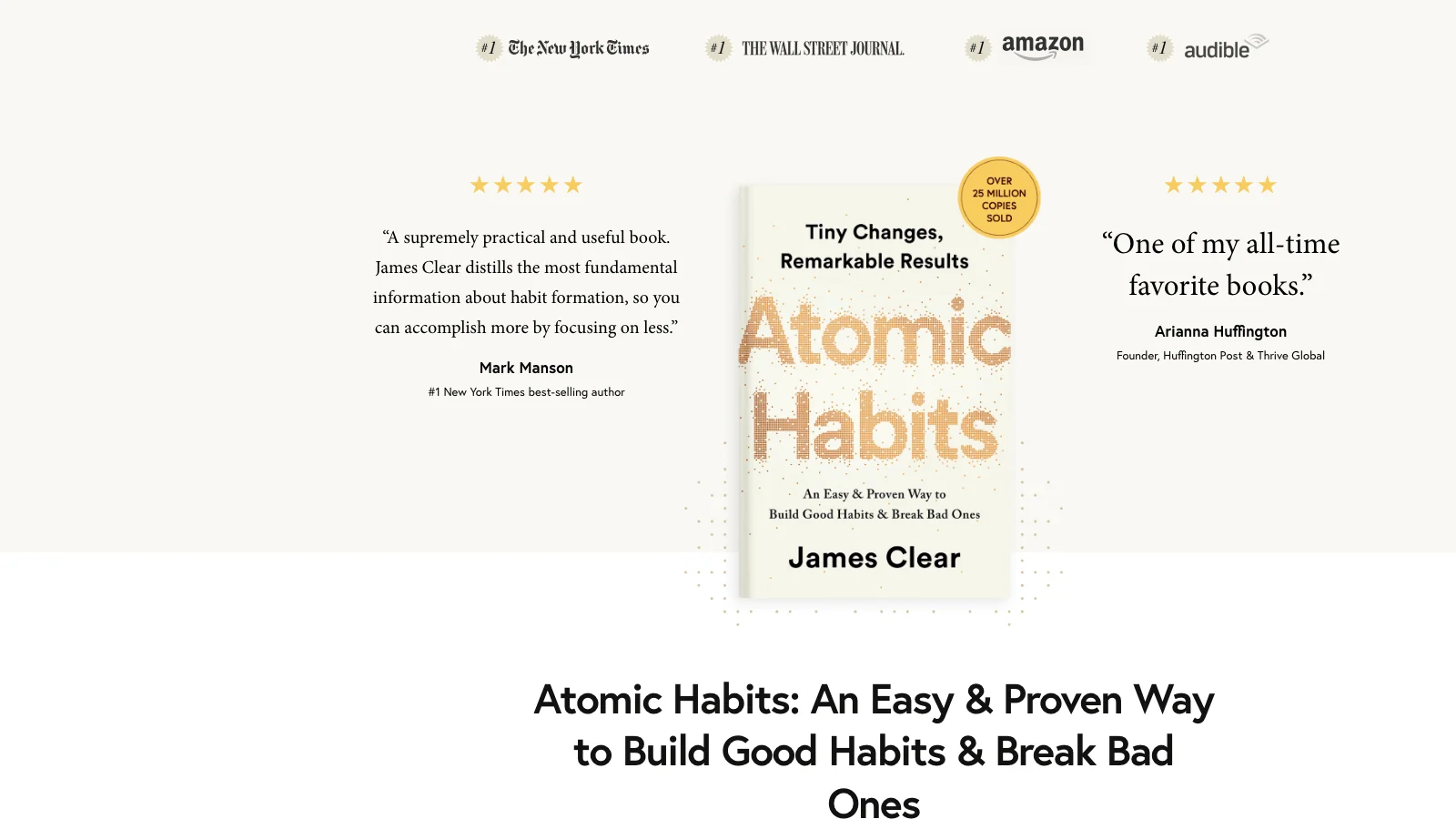
- Atomic Habits: An Easy and Proven Way to Build Good Habits and Break Bad Ones
- The Coaching Habit: Say Less, Ask More, and Change the Way You Lead Forever
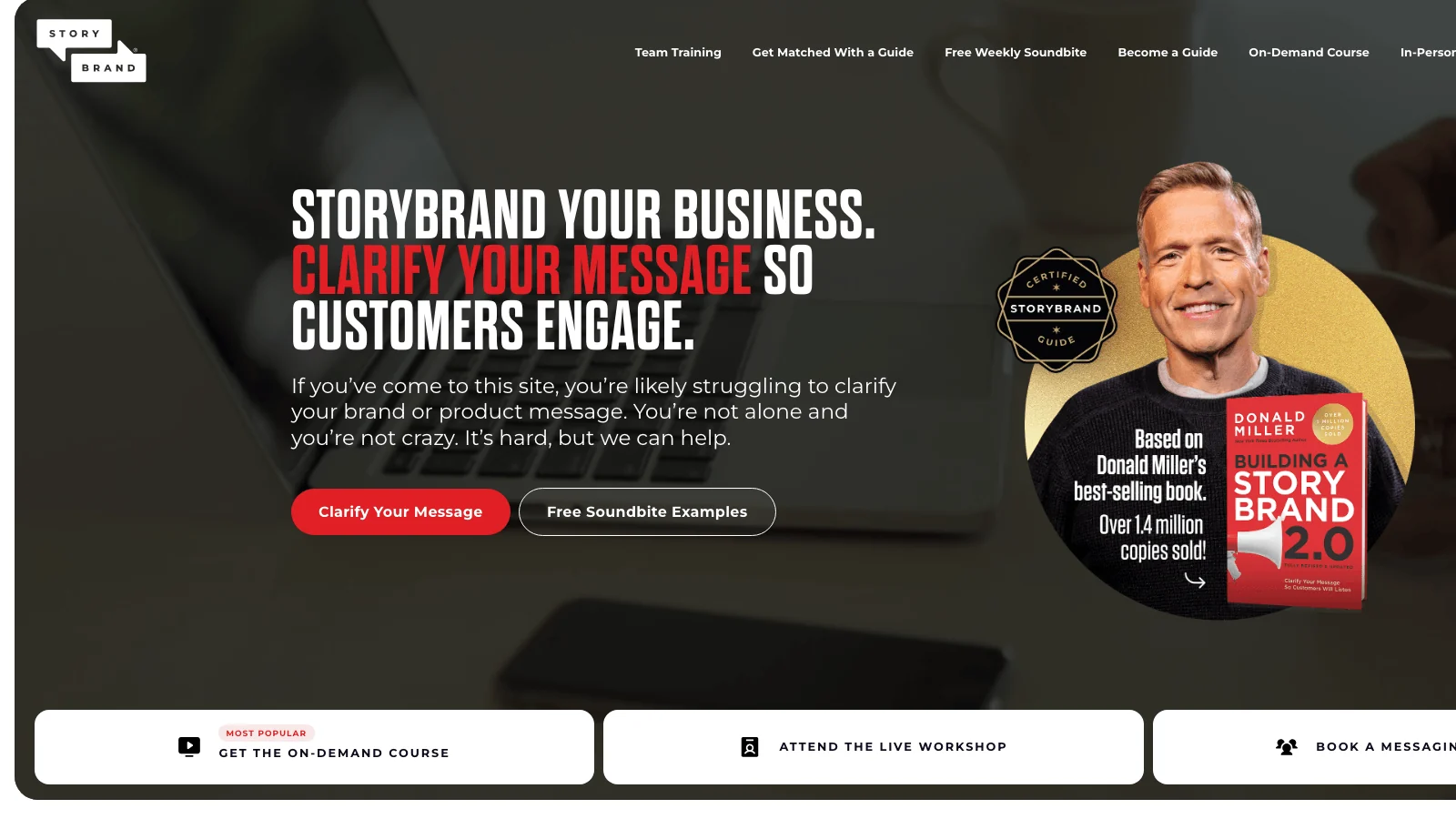
- Building a StoryBrand: Clarify Your Message So Customers Will Listen
- Deep Work: Rules for Focused Success in a Distracted World
- Dare to Lead: Brave Work. Tough Conversations. Whole Hearts.
Notice the pattern. The main title is short and curious. The subtitle is longer, contains a specific verb-noun outcome, and often names the audience or the world the audience lives in. The colon between them is the rhythm marker, not decoration.
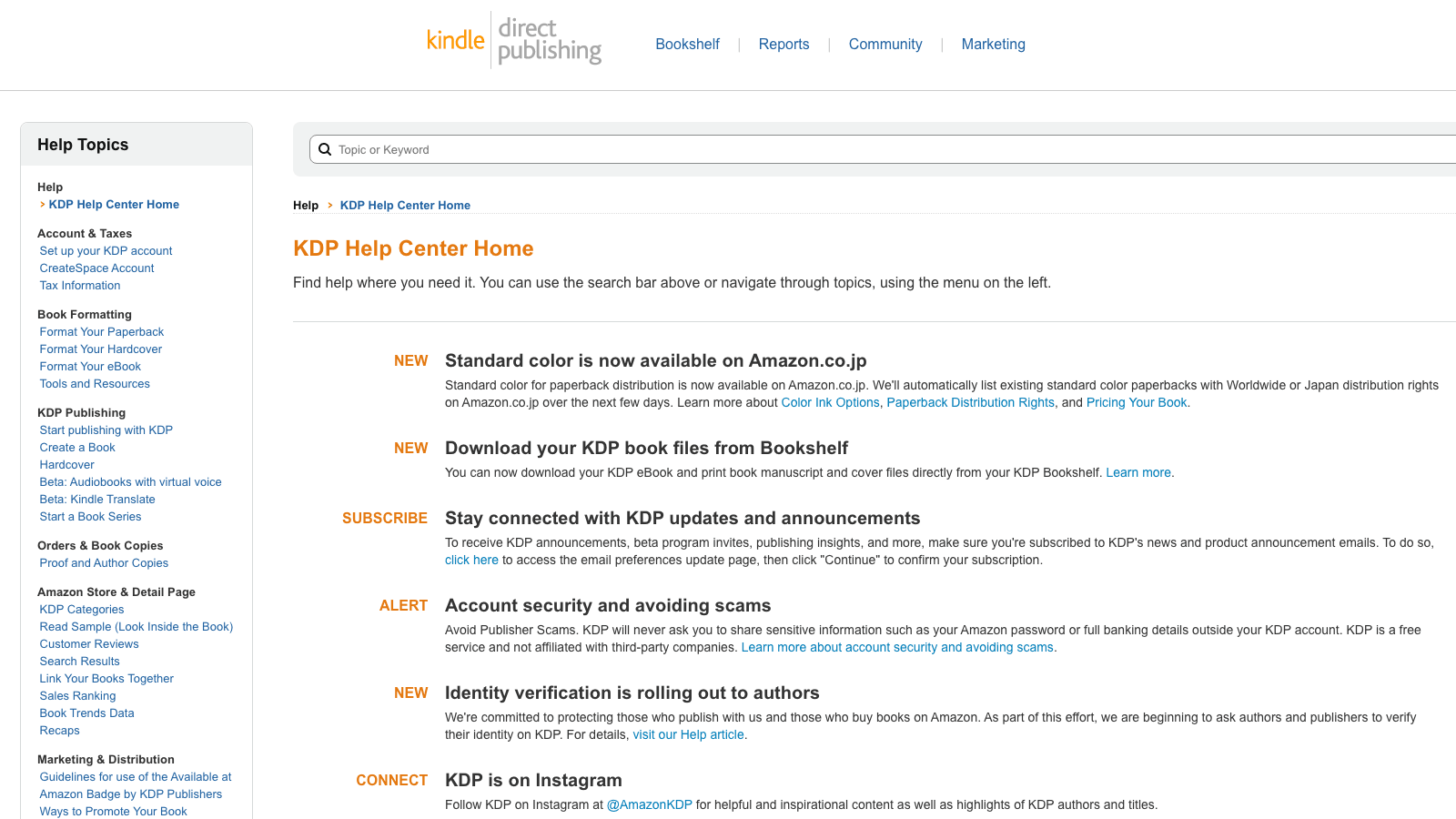
KDP allows up to 200 characters in the title field combined (Amazon's display caps shorter, but the database stores up to 200). Use 60-100. Going to 200 looks like keyword stuffing to both the algorithm and the human reader, and Amazon has been tightening enforcement against title manipulation for the past several years.
How to brainstorm 50 candidates in 90 minutes
The reason most coaches commit to a bad title is they never wrote down 50 candidates. They wrote down four, picked their favorite, and called it done. The 5-Lens Title Test does not work on a sample of four because nothing in a sample of four has been pressure-tested against alternatives. You need volume.
Here is the 90-minute brainstorm protocol we use with coaches building books inside Built&Written. It is designed to be runnable in one sitting and produce 50+ candidates without exhausting you.
Minutes 0-15: Strip the manuscript for raw material. Open your draft. Find the chapter titles, the named frameworks, the key one-liners, the phrases that recur. Type them into a single document, no editing. You are mining your own writing for title-shaped material. Most coaches discover their best title was already on page 47 of their manuscript, said in passing.
Minutes 15-30: Run the six patterns. For each of the six title patterns above (Number Promise, Unexpected Adjective, Verb Imperative, Two-Concept Collision, Category Definition, Question), generate five candidates. Do not edit. Just produce. You now have 30 candidates.
Minutes 30-45: Borrow structures from your bookshelf. Pull your 10 favorite business books off the shelf or open them on Kindle. For each one, write a title for your book that uses the same structure. Atomic Habits → [Adjective] [Your Noun]. Start with Why → Start with [Your Verb]. The Coaching Habit → The [Your Noun] Habit. You now have 40+ candidates.
Minutes 45-60: Ask ChatGPT for 20 more. Paste your manuscript intro or table of contents into ChatGPT or Claude and ask: "Give me 20 candidate titles for a coaching book on [your topic]. Use Pattern X / Pattern Y / Pattern Z. Each title should be under 5 words. Do not include subtitles." Filter for the ones that surprise you. You now have 60+ candidates.
Minutes 60-75: Cut to 10. Read every candidate out loud. Eliminate any that fail Lens 5 (Speakability) immediately. Then eliminate any that fail Lens 1 (Clarity) on a quick gut check. You should be at 10 candidates or fewer.
Minutes 75-90: Run the 5-Lens Test on the 10. Score each candidate 1-5 on each lens. Total possible score is 25. Anything under 18 cuts. You should end with 3-5 finalists.
That is your shortlist. Sleep on it. Tomorrow you validate.
This is essentially the same brainstorming process we use when coaches build a book outline from scratch inside Built&Written. The volume-first, edit-second approach beats any amount of careful single-shot crafting. Coaches who try to write one perfect title from a blank page produce The Inner Compass. Coaches who run the protocol produce The Coaching Habit.
How to test your title before you commit
You have a shortlist of 3-5 finalists. Do not just pick the one your spouse likes. The Tim Ferriss lesson is that the title you like is not necessarily the title that converts. Validation is cheap and fast in 2026. Skipping it is what produces the $0 lead-engine book.
Test 1: The cover mockup test. Use any free cover generator (Canva, BookBrush, or just a Figma mockup). Generate a thumbnail-sized cover for each of your finalists. Put them side by side on your screen at thumbnail scale. Ask 10 people: "Which book would you click on if you saw this in an Amazon search result?" Note that you are asking about the cover-plus-title combination, but title is doing most of the heavy lifting at thumbnail scale.
Test 2: The LinkedIn poll. Post your shortlist as a poll on LinkedIn. Phrase the post as: "Picking the title for my next book on [topic]. Which one would make you want to read?" Then list the candidates. You will get 50-200 responses in 24 hours if you have any LinkedIn presence at all. The poll data is directional, not statistically robust, but it surfaces the obvious winners and losers fast.
Test 3: The five-second test. Pull up your candidate titles one at a time, show them to a stranger for five seconds, hide them, and ask the stranger what the book is about. Repeat with 5-10 strangers. The title that produces the most accurate descriptions wins on clarity.
Test 4: The AdWords / Meta Ads test (the Ferriss method). If you have $200 and a week, run paid ads on your shortlist. Use the same headline copy across versions with only the title swapped. Compare click-through rates. This is the most expensive test but also the closest to real buying behavior. Most coaches skip this because $200 feels like a lot for a title decision. The math: if your book becomes a $30,000 client funnel, $200 to land the right title is the highest-ROI spend in the entire project.
Test 5: The bookshelf test. Print your shortlist on paper at the actual size of a book spine. Tape them to actual books on your shelf. Walk past the shelf throughout the day. Which one keeps catching your eye? Which one would you reach for if it was new on the shelf? The bookshelf test is unscientific but it surfaces the visceral reaction that polls and CTR cannot.
You do not need to run all five tests. Run the cover mockup test and the LinkedIn poll at minimum. If you have budget and timeline, add the AdWords test. The point is that you are testing, not divining. Treat your candidates as hypotheses. Let the data narrow them.
Once you have a winner, commit. Do not go back to the shortlist a week later because you woke up loving a different one. The Ferriss lesson is also: when the data picks a winner, the data wins. You picked a title with your gut for six months and produced Drug Dealing for Fun and Profit. Trust the validation.
Subtitle, series, and spine: the production constraints most coaches miss
A title decision is not just an aesthetic decision. It is a production decision that ripples into your cover design, your KDP metadata, your printed spine width, and your back-cover copy. Most coaches think about these constraints too late, after they have committed to a title that does not fit.
The subtitle is not optional on KDP. Amazon's title field stores the main title. The subtitle field is separate and is independently weighted for search. A book with no subtitle ranks worse than a book with the same main title plus an SEO-loaded subtitle. If your shortlist has a finalist that does not invite a subtitle (because it is too long or self-explanatory), reconsider. Almost every successful business book on KDP since 2015 has a subtitle. The exceptions are books by authors with massive pre-existing audiences (Vaynerchuk, Ferriss, Sinek post-fame). You probably do not have that audience yet.
The series field matters. KDP lets you assign a book to a series. If you are planning a multi-book journey (which most coaches should be, because a book is the start of a content engine, not the end), your title should anticipate the series. The Coaching Habit anticipated a series (The Advice Trap, How to Begin). Atomic Habits did not. James Clear could have published Atomic Focus, Atomic Identity, and built a franchise. He chose to keep Atomic Habits singular. Both choices work, but they are choices. Make yours consciously.
The spine width is determined by your page count. A 5x8 book at 200 pages has a spine of roughly 0.45 inches on standard cream paper. A 6x9 book at 300 pages has a spine of roughly 0.67 inches. The spine width is calculated by KDP automatically based on your interior PDF, but it constrains your title length on the spine. The Built&Written cover designer handles this math for you (it calculates spine width from your page count and adjusts the cover PDF accordingly), but you have to know the constraint exists. If you have a 6-word title on a 200-page book, your spine will truncate. We cover the page count and spine math in more detail in our coaching book length guide.
The back-cover copy starts with the title. Your back-cover copy is the second-most-important sales surface after the title and front cover. Most readers who flip a book over and read the back are 60% of the way to buying. The back copy should open with a one-sentence reframe of the title's promise. If your title is The Coaching Habit, the back copy opens with something like "What if the most powerful coaching skill is asking one good question?" The title sets the frame; the back copy fills it in.
If you are building your cover in Built&Written's integrated cover designer, all of this is handled in one place. The cover designer pulls your title and subtitle from your manuscript metadata, calculates spine width from your page count, and generates the back-cover layout with your blurb and author bio. You can iterate on the title and watch the cover update in real time. That feedback loop is what most coaches need: the title is not just a sentence, it is a physical object that has to fit on a spine.
Common title mistakes coaches make (with fixes)
These are the patterns we see most often when reviewing draft titles from coaches inside Built&Written. Each one has a specific fix.
Mistake 1: The metaphor-heavy poetic title. Examples: The Inner Compass, The Lighthouse, The Wellspring, The Catalyst. These titles sound beautiful and tell the reader nothing. A reader scrolling Amazon at 9pm on a Tuesday does not have the time or the curiosity to decode your metaphor. Fix: keep the metaphor in chapter 1 if you love it, but the title needs to name the topic directly. The Inner Compass becomes The Inner Compass: Decision-Making for Executives Under Pressure (subtitle does the work) or just Decision-Making Under Pressure: A Field Guide for Senior Leaders.
Mistake 2: The credential-stuffed title. Examples: Dr. Jane Smith's Executive Leadership Masterclass: 20 Years of C-Suite Coaching Distilled. The reader does not care about your credentials in the title. They care about whether the book solves their problem. Move credentials to the subtitle or the author bio. The title should be about the reader, not the author.
Mistake 3: The everything-bagel title. Trying to cram every keyword into the title produces unreadable strings like Executive Coaching Leadership Book for Senior Managers Career Development Success Strategies. Amazon flags this as keyword stuffing and can lower your search ranking. The fix is the subtitle structure we covered earlier. Main title is short and curious. Subtitle carries the keywords cleanly.
Mistake 4: The generic verb title. Elevate Your Leadership, Maximize Your Potential, Amplify Your Game. These read as motivational filler. They tell the reader nothing specific. They also use vocabulary that every other coaching book on Amazon uses, so they create no differentiation. Fix: replace the generic verb with a specific one. Elevate Your Leadership becomes Coach Up: How to Lead Without Telling People What to Do.
Mistake 5: The title that copies a famous title. The 4-Hour Coach (riff on Ferriss), Atomic Coaching (riff on Clear), The Lean Coaching Practice (riff on Ries). These signal that you do not have your own brand. The reference will land for the 5% of readers who get it; the other 95% will assume your book is derivative. Fix: use the famous title's structure (Pattern X above) but write your own. Atomic Habits' pattern (unexpected adjective + noun) can produce Quiet Coaching or Anchor Coaching if those fit your content; Atomic Coaching is just borrowing.
Mistake 6: The title that ignores category convention. Romance novels follow one set of title conventions, sci-fi another, business books another. If you write a business book titled like a self-help memoir (Finding My Voice: A Coach's Journey), Amazon's algorithm will struggle to categorize you, and readers in the business category will skip past. Look at the top 20 books in your target subcategory on Amazon. Notice the title conventions. Stay within them unless you have a deliberate reason to break them.
Mistake 7: Committing before testing. This is the meta-mistake. Every coach commits to their title without validation. The fix is the 90-minute brainstorm plus the LinkedIn poll plus the cover mockup test. It is two days of work. It will save you from the slow disappointment of a book that does not move because the title was wrong.
If you have already published a book with a title that is not working, all is not lost. KDP allows republishing with a new title (you keep your reviews if the ISBN stays the same; you lose them if you generate a new ISBN). Many bestsellers were retitled mid-life. How to Win Friends and Influence People was originally titled The Art of Dealing with People. The Power of Positive Thinking was originally The Power of Faith in Living. Retitling is a legitimate move when the original is dragging you down.
Sources & References
- Amazon KDP Help Center
- The 4-Hour Workweek on Amazon (Tim Ferriss, 2007 / expanded 2009)
- Atomic Habits by James Clear (official author page)
- The Coaching Habit on Amazon (Michael Bungay Stanier, 2016)
- StoryBrand by Donald Miller (official site)
- Built&Written homepage
- Built&Written editor
- Built&Written for coaches
- International Coaching Federation membership data
Frequently asked questions
The main title should be 5 words or fewer. The subtitle can be 10-15 words. Combined, your title plus subtitle should stay under 100 characters for readable display in Amazon search results, even though KDP technically allows up to 200. Bestselling business titles typically fall between 40 and 80 combined characters.
Yes, and you usually should. The colon separates the main title from the subtitle and signals to Amazon that you are using both fields. Examples: Atomic Habits: An Easy and Proven Way to Build Good Habits.... Avoid colons inside the main title itself (that creates parsing confusion).
Your main title does not have to. Your subtitle should. The combined title plus subtitle field is the highest-weighted text on your KDP listing for search ranking. Loading the keyword into a clean subtitle is better than forcing it into a clumsy main title.
Search Amazon's book section for your exact title in quotes. Also check the U.S. Copyright Office's database. Book titles are not copyrightable in the U.S., so technically you can reuse a title, but doing so creates SEO collision and reader confusion. Pick something different.
Yes, on KDP. You can edit the title and subtitle fields in your KDP dashboard. If you keep the same ISBN, you keep your reviews and ranking history. If you upload as a new edition with a new ISBN, you start fresh on reviews. Most authors who retitle keep the ISBN.
Use AI to generate candidates, not to make the final decision. The 90-minute brainstorm above includes 20 minutes with ChatGPT or Claude for variant generation. AI is excellent at producing volume; it is mediocre at judging which title fits your voice, audience, and category. Use AI as the brainstorm partner, not the decider.
Cut it. A title that fails one lens fails the audience moment that lens represents. Better to find a candidate that passes all five than to ship one that fails one. The Mom Test almost fails Clarity but rescues itself with a strong subtitle; most titles do not have that rescue available.
Not yet. The 5-Lens Test is a judgment framework, not an algorithmic one. The closest substitute is the validation suite (cover mockup + LinkedIn poll + AdWords) which is data-driven. Built&Written generates title candidates as part of the KDP Launch Co-pilot, but the lens judgment is yours.
Run paid ads on each candidate title with the same headline copy except the title swap. Compare click-through rates over 7 days. Budget around 200 dollars total. The cheaper alternatives are a LinkedIn poll (free, less reliable) and a cover mockup A/B with 10 strangers (free, directional but accurate).
Sources & References
- Amazon KDP Help Center
- The 4-Hour Workweek on Amazon (Tim Ferriss)
- Atomic Habits by James Clear (official author page)
- The Coaching Habit on Amazon (Michael Bungay Stanier)
- StoryBrand by Donald Miller (official site)
- Built to Sell by John Warrillow
- Tim Ferriss official blog
- Pew Research: e-book reading trends
- Built&Written homepage
- Built&Written editor
- Built&Written for coaches
- International Coaching Federation
About the author

Khrystyna Balushka
More in Book Marketing
Ready to write your book?
Turn your expertise into a professional book with Built&Written.