

ISBN for Self Published Authors: Do You Need One in 2026?
Most coaches self-publishing in 2026 do not need to buy an ISBN. Amazon KDP assigns a free ISBN to your paperback and your hardcover, and Kindle ebooks use Amazon's own ASIN instead. Paying Bowker (around $125 for a single ISBN) only pays back in three cases: you want your own imprint name on the listing, you plan bookstore distribution through IngramSpark, or you are building a multi-title catalog under one brand.
That is the entire ISBN conversation, compressed.
Most coaches reading this in 2026 are paralyzed by an identifier question that bookstore buyers and Amazon shoppers have already stopped asking. They open three browser tabs. The first one is the Amazon KDP help page on ISBNs. The second is Bowker, the official US ISBN agency, where a single number costs over a hundred dollars. The third is some Reddit thread where a self-published author says the free KDP ISBN ruined his career. Forty minutes later the coach closes all three tabs and writes nothing.
We hear this from coaches running the Built&Written editor every week. The book is 200 pages, the cover is done, the back-matter offer is wired to a real funnel. The only thing standing between the manuscript and the print order is a $125 question that has a clear answer for most of them.
Here is that answer.
Key takeaway: For 90% of coaches publishing through Kindle Direct Publishing in 2026, the free KDP ISBN is the right call. The exceptions are predictable: you want your own publishing imprint on Amazon, you plan to sell into bookstores via IngramSpark, or you are building a multi-title catalog under one brand. Built&Written's KDP Launch Co-pilot handles the manuscript and listing side of this decision either way.
This article is the verdict for self-published authors who want the ISBN question off the table by the end of the next hour. We will cover what an ISBN actually is (and the imprint question that hides underneath it), the Coach's ISBN Decision Map (four questions that pick your path), the real cost and real trade-offs of free KDP versus paid Bowker ISBNs, the math on how many ISBNs you actually need across paperback, hardcover, ebook, and audiobook, and the cases where paying for one pays you back.
ISBN confusion is the most expensive non-decision coaches make in self-publishing
The cost is not the $125. The cost is the eight weeks the coach spends not deciding.
We have watched this play out at Built&Written more times than we can count. A coach finishes their manuscript through the editor, runs it through the formatting layer, exports a KDP-ready PDF, and then stops. The next email arrives two months later: "I am still figuring out the ISBN piece." Two months of no book on Amazon. Two months of no back-matter funnel running. Two months of missed reader-to-client conversions that the coach would have closed if the title had been live.
Compare that to the time the actual decision takes. The Amazon KDP onboarding flow shows you the ISBN choice on a single screen. You read two paragraphs. You pick free or you pick paid. Done. The whole interaction is under three minutes if you know what you are looking at.
The reason coaches stall is that the question reads bigger than it is. ISBNs are tied up in three other questions the coach has not separated out yet: who do I want to appear as the publisher on the listing, do I plan to sell this book in physical bookstores, and am I building a publishing imprint for future titles. Until those three are answered, the ISBN question reads like a fork in a six-lane highway. It is not. For a coach selling a positioning book to their existing audience, it is a fork between two clearly-marked exits, and the free one is correct most of the time.
The other reason coaches stall is that they are reading advice written for the wrong audience. KDP volume publishers (people who ship eight romance novels a year under different pen names) need to make different ISBN decisions than coaches do. Most of the YouTube videos and self-publishing forums are written by and for the volume crowd. A coach who follows that advice ends up overspending on identifiers they do not need and underspending on the things that actually move the book (cover quality, interior formatting, the back-matter CTA wired to a real funnel).
Honestly, the question we get from coaches at Built&Written is rarely "what is the optimal ISBN strategy." It is "can I just hit publish." For 90% of them the answer is yes, and the free KDP ISBN is part of how you do it.
What an ISBN actually is, and why the question you really care about is the imprint
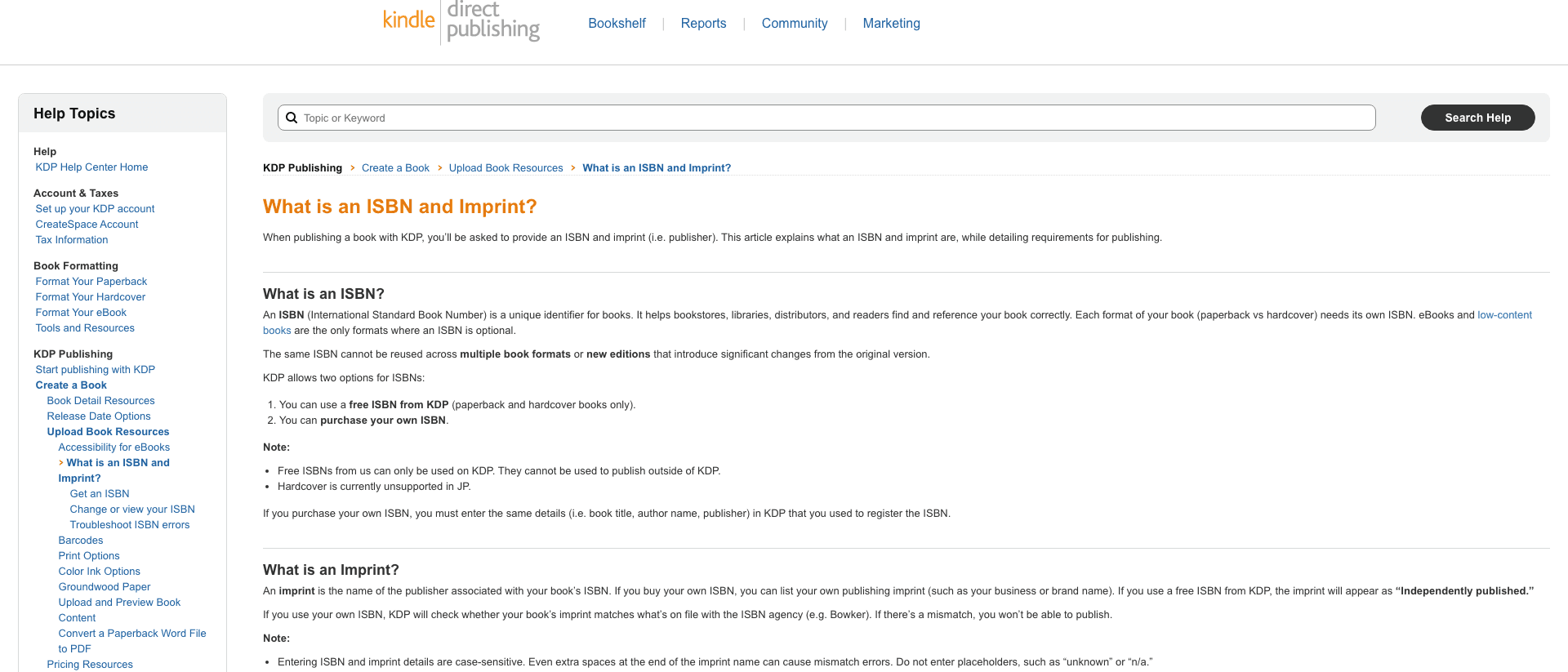
An ISBN is a 13-digit unique identifier. It tells distribution systems "this specific book in this specific format from this specific publisher is one distinct object in the world." Bookstores order by ISBN. Libraries catalog by ISBN. Wholesalers like Ingram and Baker & Taylor match orders to inventory by ISBN. Amazon uses ISBN for paperback and hardcover listings; for Kindle ebooks it uses its own internal identifier called an ASIN, which is why your Kindle ebook does not need an ISBN at all on Amazon.
The body that issues ISBNs in the United States is Bowker, operating through its consumer site MyIdentifiers.com. Other countries have their own national agencies. The UK's agency is Nielsen. Canada and several other countries give ISBNs away for free through their national libraries (which is one reason "you must buy your own ISBN" advice from a UK forum applies poorly to a Canadian author and not at all to a US coach using KDP). For US-based coaches publishing through Amazon, the two practical options are: get a free one from KDP, or buy one from Bowker.
That part is the surface answer. The question that actually determines which option is right for you is the imprint question.
An imprint is the publisher name that appears on your book's Amazon listing, on its copyright page, and in the catalog records that flow downstream from there. When you take a free ISBN from KDP, Amazon prints "Independently Published" as your imprint on the listing. If you buy your own ISBN from Bowker and register your own publishing name with them, Amazon prints that name (let's say "Cooper Strategy Press") on the listing instead.
Some coaches read "Independently Published" and freeze. They read it as a credibility tax. We have asked dozens of coaches and a few executive-level book buyers about this. The honest answer is: most readers do not look. Of the readers who do look, most have stopped associating "Independently Published" with anything negative since the self-publishing volume on Amazon crossed the point where major coaching and business books carried that line. Hal Elrod's The Miracle Morning, one of the most recognizable coaching books of the past decade, was self-published.
So when a coach asks "do I need my own ISBN," what they are usually asking is one of two underlying questions: do I need my own imprint name on the Amazon listing for credibility, or do I want my own imprint name on the listing because I am building a publishing brand. Those are different questions with different answers.
If the question is credibility, the honest answer is that the imprint on the listing is a third-order signal compared to the cover, the title, the description, the reviews, and (for coaches) the author's existing audience. Spending $125 on an ISBN for credibility is solving the wrong problem. Coaches we work with at Built&Written get much better return spending that same $125 on a sharper cover concept or on the first batch of Amazon reviews from their early readers.
If the question is brand-building (you are launching a publishing imprint and intend to release multiple titles under it), the answer flips. Paying for your own ISBN lets you build cumulative recognition under one publisher name. That has long-run value if you are serious about it. For one-off coaching books, the math does not work.
The Coach's ISBN Decision Map: four questions that pick your path
Here is the framework we use with coaches inside Built&Written. Answer four questions in order. Each "yes" pushes you toward a paid ISBN. Each "no" keeps you on the free KDP path.
| # | Question | If yes | If no |
|---|---|---|---|
| 1 | Do you want a custom publisher imprint (your own brand name) showing on the Amazon listing instead of "Independently Published"? | Lean paid | Lean free |
| 2 | Do you plan to sell the print book outside of Amazon, including through bookstores via IngramSpark or direct-to-library sales? | Strongly lean paid | Lean free |
| 3 | Will you publish two or more books under the same publisher imprint in the next 24 months? | Buy a 10-pack | Buy a single or get free |
| 4 | Are you publishing under a pen name, a corporate entity, or with co-authors where the registered publisher needs careful control? | Lean paid | Lean free |
The decision pattern emerges quickly:
- Four "no" answers means take the free KDP ISBN and stop thinking about it. This is the median coach: writing a positioning book, selling primarily through Amazon, planning one title for the foreseeable future, publishing under their own name. The book performs its job (lead generation, authority, audience-building) regardless of who the listed publisher is.
- Two or three "yes" answers means buy a single Bowker ISBN or a small pack. The marginal cost is real but the marginal benefits (your imprint, IngramSpark eligibility, control) add up.
- All four "yes" answers means you are running a publishing operation, not writing one book. Buy a 10-pack of ISBNs from Bowker. Register a publishing entity. Treat ISBN strategy as part of your business infrastructure.
The trap to avoid: answering question 2 as "yes" out of ambition rather than realistic plan. Coaches imagine selling into bookstores. The vast majority do not actually pursue it, because bookstore sales at the coaching-book scale are not where the ROI lives. The book is the marketing asset; the client engagement it triggers is where the money is. Spending an extra $125 to be eligible for distribution you will not use is a tax on optionality. If you genuinely will pursue IngramSpark, the math changes (see H2 #5).
The trap to avoid on question 3: counting a future "maybe I will write a second book in five years" as a yes. The 10-pack ISBN math only works if you actually publish multiple titles inside the validity window your strategy supports. For most coaches, one book per business cycle is the realistic cadence, and a single ISBN matches that cadence.
The free KDP ISBN: what you give up, what you keep, and why it is the right call for most coaches
The free KDP ISBN is a real ISBN. It registers with Bowker. It shows up in distribution databases. It works exactly like a purchased ISBN for the use case 90% of coaches actually have: selling a self-published paperback and hardcover through Amazon, with a Kindle ebook running alongside (the ebook uses Amazon's ASIN and does not need an ISBN at all).
What you give up by taking the free KDP ISBN:
- The publisher name on the Amazon listing reads "Independently Published" rather than your imprint. As discussed above, this is rarely a real cost.
- The ISBN is locked to KDP. You cannot use it to publish the same book through IngramSpark, draft2digital, or any other distributor. If you change your mind later and want IngramSpark distribution, you need to either get a new ISBN for that channel or restart with a Bowker ISBN.
- You do not own the ISBN. Bowker's records show KDP as the registrant. This matters if you ever want to move the book between distributors or run a campaign that requires you to be the listed publisher.
What you keep:
- Full author rights to the book. The free ISBN does not affect copyright, royalties, manuscript ownership, or any of the things that actually matter. KDP is providing a logistical identifier, not licensing your content.
- The ability to publish in all KDP formats (paperback, hardcover, Kindle ebook) with one streamlined flow. Each print format gets its own free ISBN. The Kindle ebook gets an ASIN automatically.
- The ability to update the manuscript and re-upload. Free KDP ISBN does not lock you out of revisions; it just locks the ISBN to KDP.
The case for the free KDP ISBN comes down to a question we ask coaches at Built&Written: what would you do with the saved $125? In our experience the answer that produces the best book outcomes is one of these three:
- Upgrade your cover. A sharper cover concept compounds over the life of the book. A KDP-eligible cover can be designed inside the Built&Written cover designer using the integrated cover tool, or commissioned for a similar budget from a Fiverr or 99designs designer who specializes in nonfiction book covers.
- Run the first ad batch. $125 on a small Amazon Ads test campaign or a tightly-targeted Meta ads campaign for your back-matter lead magnet starts producing data immediately. ISBNs do not produce data.
- Buy yourself the time to record a Voice DNA sample for the next book. Coaches at Built&Written who feed a richer Voice DNA sample produce manuscripts that need less rewriting in the editor, and the saved hours pay back faster than an imprint name does.
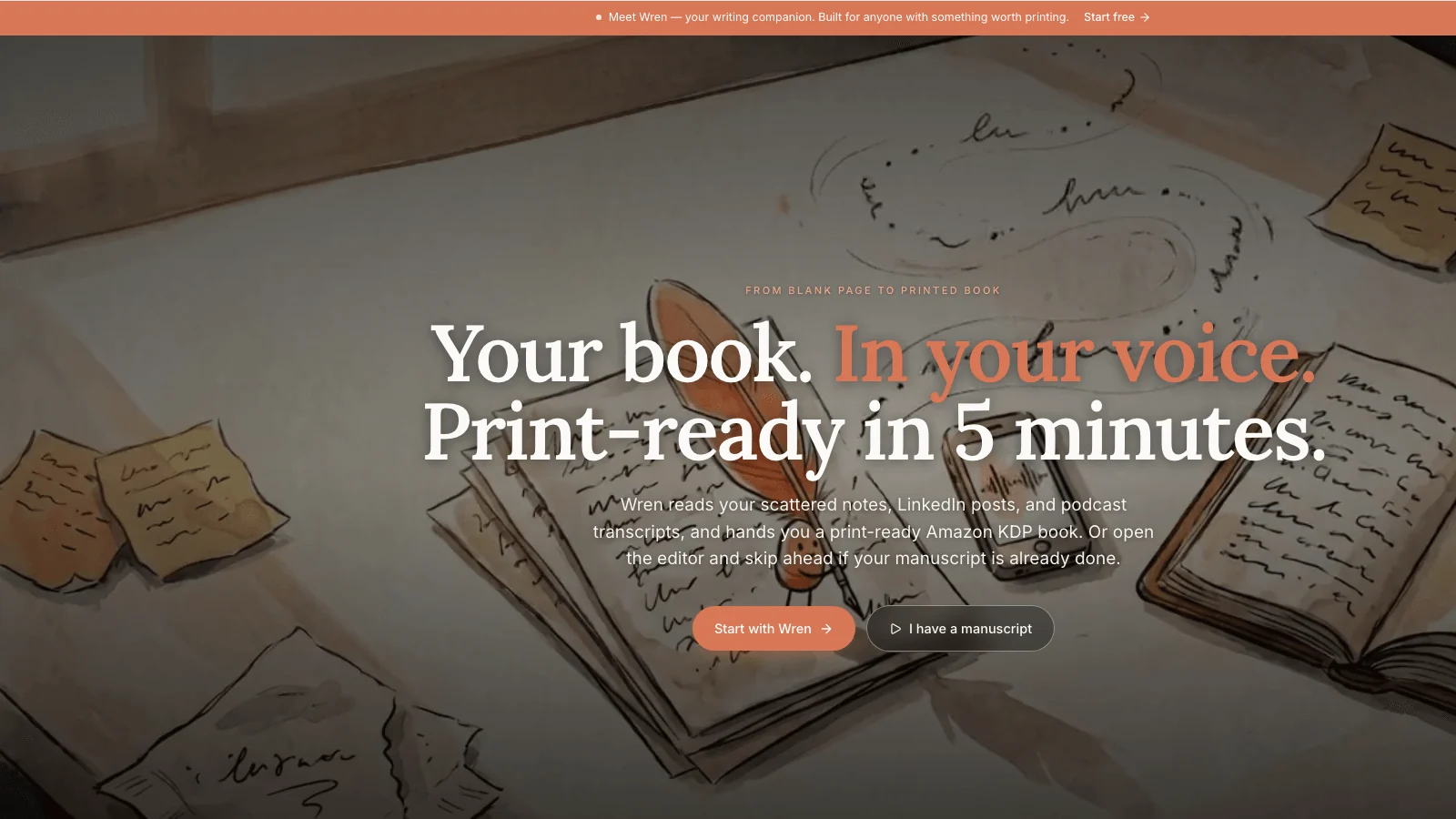
The honest version of this advice: if you are writing one coaching book to position your practice, take the free KDP ISBN, ship the book this month, and use the next 90 days to feed the actual revenue engine (back-matter offers, book-to-email-list flows, speaking opportunities, and inbound coaching conversations). Revisit the ISBN question if and when you decide to publish a second book or pursue physical-bookstore distribution. By then you will have real data to base the decision on.
The paid ISBN: what it costs, where you buy it, and when it pays back
The official US ISBN agency is Bowker. For US-based self-published authors, paid ISBNs come through Bowker's consumer site at MyIdentifiers.com. Bowker is the only registrar for US ISBNs; anyone else selling you a US ISBN is reselling Bowker's product, which is rarely worth the markup.
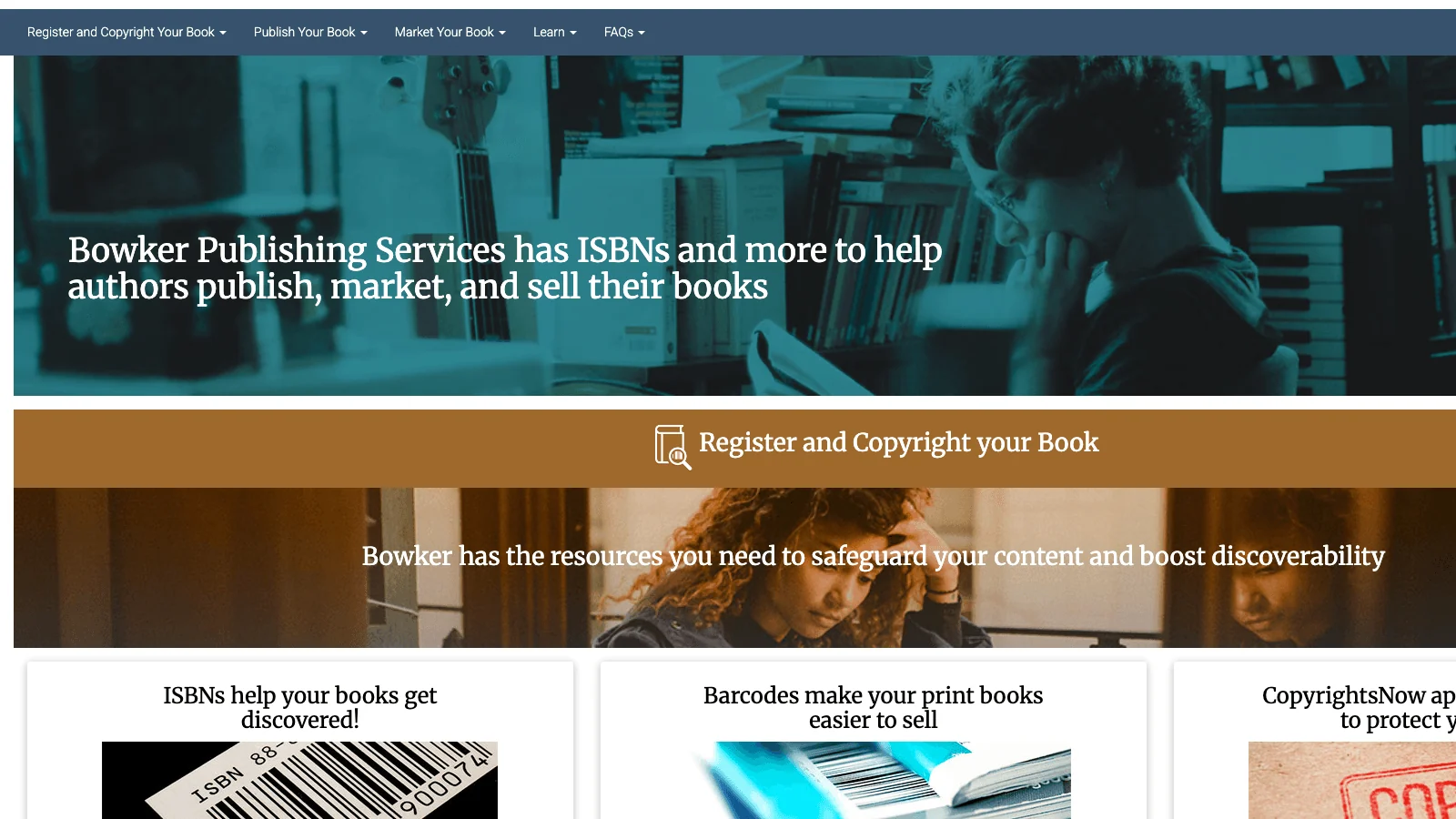
Bowker's pricing model has not changed materially in years: a single ISBN runs at a premium, a 10-pack brings the per-unit price down significantly, and a 100-pack drops the per-unit cost into a range where serious indie presses operate. The exact prices update periodically, so check MyIdentifiers.com directly when you buy.
When the paid ISBN pays back:
You will publish 2+ books under one imprint. A coach who is genuinely building a publishing brand (think: a leadership coach who plans a flagship book, a workbook companion, and a "principles" follow-up over three years) gets compound value from a 10-pack. Each book carries the same publisher name. The catalog reads as a coordinated body of work. The unit cost per ISBN is a fraction of buying singles.
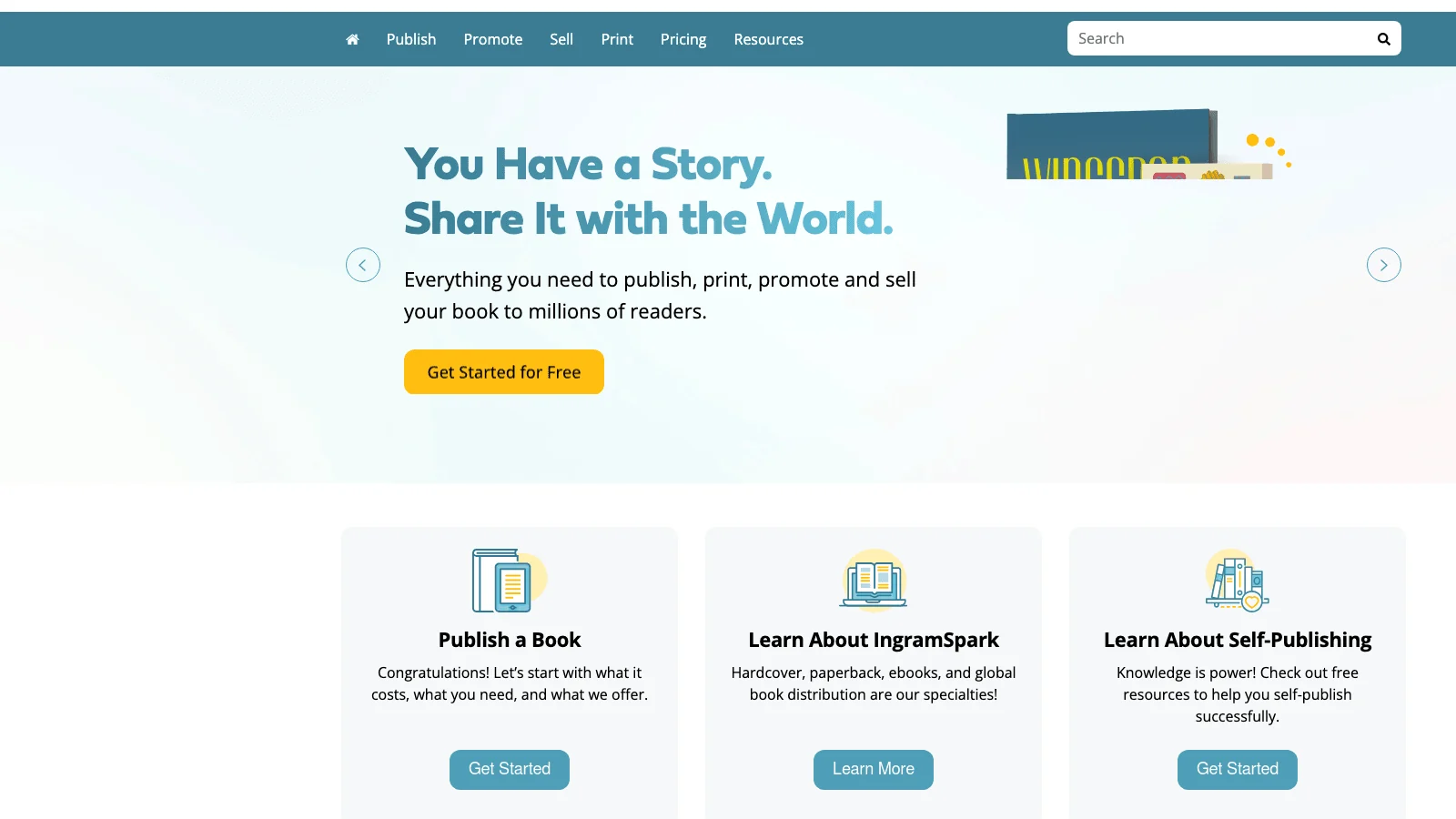
You want wide distribution beyond Amazon. IngramSpark is the practical channel for getting your print book into physical bookstores, libraries, and international retailers. IngramSpark accepts free KDP ISBNs in some configurations, but the cleaner path is to publish through IngramSpark with your own Bowker ISBN. This decouples your print distribution from Amazon's policies and lets you control returns, pricing, and discount structure independently. For a coach who speaks at conferences regularly and wants their books available through hotel gift shops, conference bookstores, and event-host purchases, IngramSpark with a paid ISBN is usually the right path.
You publish under a corporate entity or pen name with brand value. If your business is "Cooper Strategy LLC" and you want every published work to roll up under that LLC's publisher line for brand consistency, paid ISBNs let you control that. The free KDP ISBN registers under the author's name and "Independently Published," which is fine for most coaches but reads off-brand if you are deliberately building a corporate publishing presence.
You are pursuing trade-publication review coverage. Outlets like Publishers Weekly, Library Journal, Kirkus, and Foreword Reviews have varying policies around self-published titles, but the ones that consider self-published books generally expect an author-controlled ISBN and a real publisher imprint. If you genuinely plan to send your book in for a Kirkus Indie review (paid) or a Foreword Reviews indie review (also paid in most cases), the imprint matters. For most coaches, this is not a real plan and should not drive the ISBN decision.
The single-ISBN purchase from Bowker is the option we steer coaches away from most often. The price-per-unit is the highest, the use case is "one book under my imprint," and the cumulative business value is rarely worth the spread over the free KDP ISBN. If you are buying one, you should also be planning the second book that will share your imprint. Otherwise the 10-pack math does not work either, and the single ISBN is a status purchase with no downstream payoff.
ISBN math: paperback, hardcover, ebook, and audiobook (how many do you actually need)
Each distinct format of your book is a separate product to distribution systems and therefore needs its own ISBN. This is where the 10-pack math starts looking less ambitious than it sounds.
For a single coaching book published the way most coaches publish it in 2026, you will need:
- One ISBN for the paperback edition. Required by KDP for paperback listing. Free from KDP, or one Bowker ISBN if you go paid.
- One ISBN for the hardcover edition. Required by KDP for hardcover listing. Free from KDP, or a second Bowker ISBN if you go paid. Hardcover is increasingly worth offering for coaching books because it converts well as a giveaway item at speaking engagements and looks better as a comp on a CEO's shelf.
- Zero ISBN for the Kindle ebook on Amazon. Amazon assigns an ASIN automatically. You do not need an ISBN for the Kindle ebook unless you also intend to sell the ebook through non-Amazon channels (which is rare for a coaching book at this stage).
- One optional ISBN for the ebook if you sell outside Amazon. If you list the ebook on Apple Books, Google Play Books, Kobo, or Barnes & Noble's Nook store via a distributor like Draft2Digital, each of those typically wants an ISBN. Draft2Digital provides one for free if you do not have your own.
- One optional ISBN for the audiobook. If you produce an audiobook (through Findaway Voices, ACX/Audible, or a separate audiobook distributor), it gets its own ISBN. Many audiobook distributors will assign one for free.
For a coach publishing one book in paperback + hardcover + Kindle in 2026, the practical math is: two formats that need ISBNs (paperback, hardcover), both available free through KDP. The "Kindle needs an ISBN" myth is the most common piece of bad advice we see in coaching forums. It does not.
If you go the paid route, the same coach is paying for two Bowker ISBNs (one paperback, one hardcover), which is most of a 10-pack already. This is one of the reasons the 10-pack starts to make sense even for coaches who are not planning a second book yet: the marginal cost from "two ISBNs" to "ten ISBNs" is much smaller than the cost from "two ISBNs" to "free KDP ISBNs."
A practical rule we share with coaches at Built&Written who are weighing the paid path: if you are going to buy any Bowker ISBNs at all, the 10-pack is usually the right unit. Buying singles only makes sense if you are absolutely committed to one book and you specifically need the imprint on the listing for a reason no other strategy can solve (corporate brand requirement, distribution contract, etc.).
The audiobook ISBN question is the one we see coaches over-engineer most often. If your audiobook is going through ACX (Audible's exchange), Audible handles the identifiers internally. If you are using Findaway Voices or another distributor, they will assign an ISBN at no cost if you do not bring one. Buying a Bowker ISBN specifically for the audiobook is almost never the right move for a first-time author.
Common ISBN mistakes coaches make in 2026
The mistakes are predictable and they cluster around the same handful of misunderstandings. Naming them here so you can skip them.
Buying an ISBN for the Kindle ebook. We see this every quarter. A coach buys three Bowker ISBNs (paperback, hardcover, Kindle) and only later learns the Kindle ISBN was wasted because Amazon uses ASINs for ebooks on the Kindle store. The wasted spend is real but the larger cost is that the coach now feels committed to a paid path on the print formats too, when in many cases the free KDP ISBN was correct for them.
Treating "Independently Published" as a credibility problem. This is the single most common stall pattern we see at Built&Written. Coaches read the phrase, imagine an executive book buyer dismissing the book, and stop. The actual buyers (corporate procurement, conference organizers, individual readers, gift purchasers for executive offices) almost never read the publisher field. They read the cover, the title, the author bio, the description, and the reviews. The imprint is third-order signal at most. Coaches who run their book under a free KDP ISBN and put their effort into a sharper cover and a better description outperform coaches who spend the same time and money on a paid ISBN.
Buying a single ISBN from Bowker without planning the second book. The single-unit Bowker ISBN is the worst price-per-unit Bowker offers. The only situations where buying a single ISBN is the right move involve very specific corporate-brand requirements or a known distribution contract that requires it. For a coach buying their first ISBN with a vague intention to "look more professional," the math does not work. Either commit to the 10-pack and the multi-book strategy that justifies it, or take the free KDP ISBN.
Re-uploading the same book under a new ISBN to "rebrand." This destroys the existing Amazon listing's reviews and starts a new listing from zero. Amazon does not transfer reviews between ISBNs. We have watched coaches do this twice and lose their entire review base each time. If you are switching strategies, switch on the next book, not on a republish of the current one.
Buying ISBNs from a discount reseller. US ISBNs all come from Bowker. Resellers buy in bulk from Bowker and resell at a small markup. The risk is registration: if the reseller is sloppy about how the ISBN registers in Bowker's database, you end up with a publisher field that does not match your imprint name, and fixing it later involves working through Bowker's support either way. Buy direct from MyIdentifiers.com.
Confusing ISBN with copyright registration. These are separate processes. An ISBN identifies the book in distribution systems. Copyright is a legal protection that exists automatically when you fix your work in tangible form and can be formally registered through the US Copyright Office for legal teeth. Buying an ISBN does not register your copyright. If copyright registration matters to you (it does for some commercial-IP situations), handle it as a separate step through copyright.gov.
Listing the book through multiple distributors with the same ISBN before checking conflicts. If you publish through KDP with the free KDP ISBN and then try to push the same book through IngramSpark, the conflict will surface as either a rejection or a complicated channel-conflict resolution. Plan distribution before you pick the ISBN, not the other way around.
When to revisit: the trigger conditions that flip a "free now" coach to "paid later"
The free KDP ISBN is not a permanent commitment, but it does require restart work to change paths. The book republished under a new ISBN starts with zero reviews on the new listing. Amazon will not transfer reviews between listings. This is the real switching cost, not the $125.
Watch for these triggers that suggest revisiting the ISBN question:
You decide to publish a second book. If the second book is part of a deliberate series, brand, or catalog, the math for buying a 10-pack of Bowker ISBNs from the start of book 2 onward looks better. Book 1 can stay on its free KDP ISBN; books 2 onward go on Bowker ISBNs under your imprint. This is a clean strategic break, not a backwards-compatibility nightmare.
You start speaking at conferences regularly and want IngramSpark distribution. If your speaking schedule grows to the point where conference organizers and hotel bookstores want bulk orders through their existing supplier (which is almost always Ingram), the friction of running book 1 through IngramSpark with the constraints of a KDP-issued ISBN starts to bite. At that point republishing with your own Bowker ISBN through IngramSpark (in addition to keeping the KDP listing for retail) is worth the switching cost.
You launch a publishing imprint as a business move. Some coaches eventually move into helping other coaches publish, building courses around it, or running a small indie press for their coaching network. In that case ISBN control becomes part of the business infrastructure, and Bowker becomes a vendor you have a real relationship with.
The trigger that does not warrant a switch: someone on a Facebook group telling you that "Independently Published" on your listing is hurting you. We have not seen evidence for this in the data of coaches we work with at Built&Written. Reviews, cover, description, and price drive Amazon performance for coaching books. The publisher field is so far down the listing that most buyers never see it.
Key takeaways
The Coach's ISBN Decision Map runs four questions and most coaches answer "no" to all four. Free KDP ISBN, ship the book, run the marketing engine. The decision should not take more than ten minutes.
Free KDP ISBN gives up the publisher imprint on Amazon ("Independently Published" appears instead of your brand name), and locks the ISBN to KDP. Neither of those costs the typical coach measurable business.
Paid Bowker ISBNs make sense in three cases: you will publish 2+ books under one imprint, you want IngramSpark distribution for wide retail and library reach, or you are building a corporate publishing brand that requires control.
Kindle ebooks do not need an ISBN on Amazon. ASINs handle the identifier. Skipping the ISBN purchase for the ebook saves coaches a recurring waste.
Each format (paperback, hardcover, ebook on non-Amazon channels, audiobook) is a separate ISBN unit if you go paid. Most coaches publishing one book need two ISBNs maximum (paperback and hardcover). Free KDP supplies both.
The single-ISBN purchase from Bowker is almost always the wrong unit. If you are paying at all, the 10-pack math is the right math.
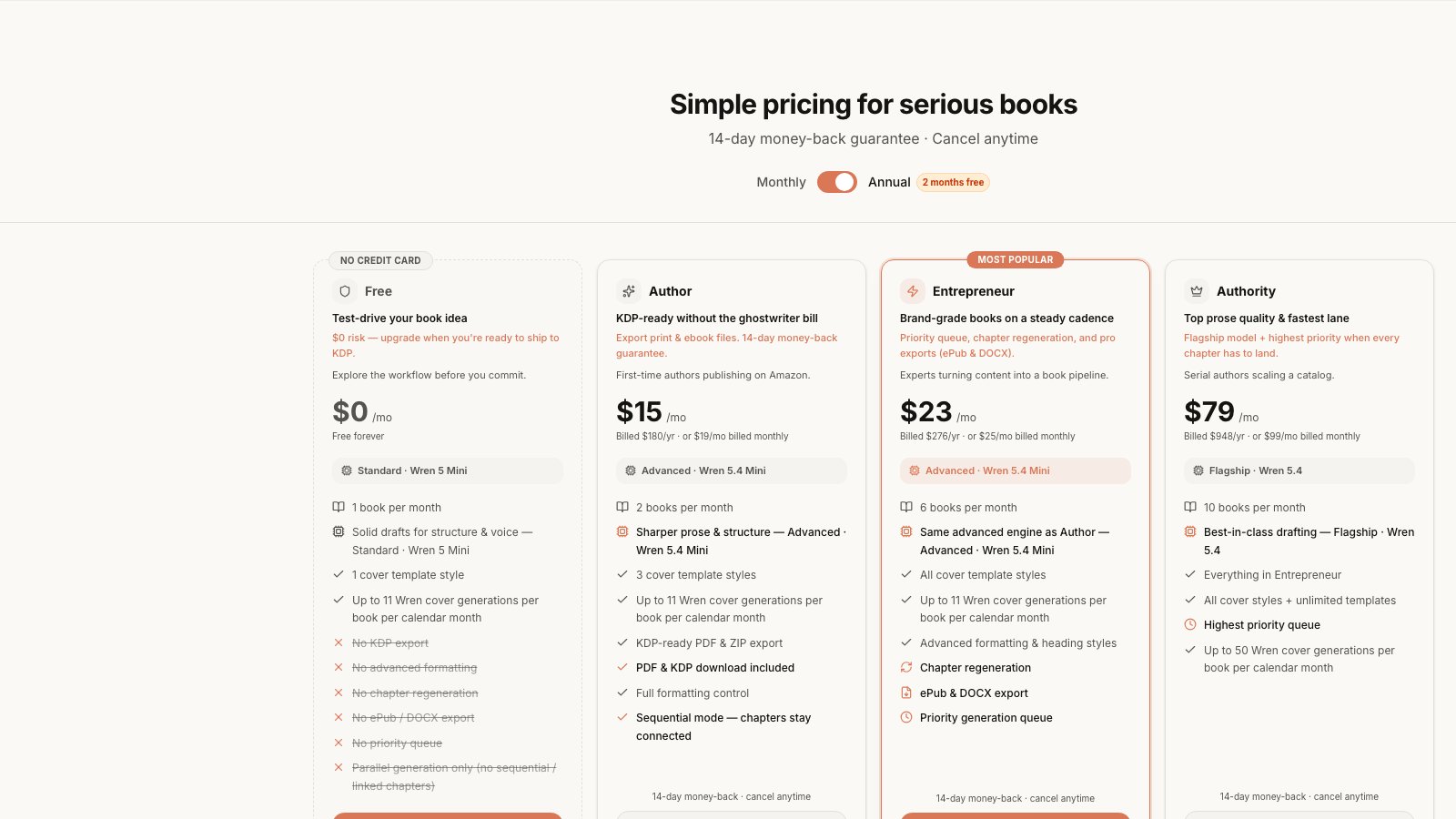
Built&Written's role in this decision is upstream of the ISBN. Our editor produces the manuscript, the cover designer produces the cover, the formatting layer produces the KDP-ready PDF. Whether you publish under a KDP-assigned ISBN or your own Bowker ISBN does not change our workflow. Author tier is from $19 per month with KDP-ready PDF and ePub exports; Entrepreneur tier at $49 per month adds priority queue and pro export formats. A free tier is available at builtwritten.com.
Frequently asked questions
Do I need an ISBN to self-publish on Amazon?
For Kindle ebooks, no. Amazon assigns an ASIN. For paperback and hardcover, yes, but KDP offers free ISBNs for both formats. You do not have to buy one. The question is whether to take the free KDP ISBN or buy your own from Bowker.
Is the free KDP ISBN a real ISBN?
Yes. It is a 13-digit ISBN issued through Bowker and registered in standard distribution databases. The functional limitation is that it is locked to KDP, and Amazon prints "Independently Published" as the imprint on the listing instead of your custom publisher name.
How much does a Bowker ISBN cost in 2026?
Single ISBNs from Bowker run over $100 each. The 10-pack drops the per-unit price substantially (typically into the high-$20 to low-$30 per-unit range), and the 100-pack drops it further. Pricing changes periodically; check MyIdentifiers.com directly when you buy. For coaches buying ISBNs at all, the 10-pack is usually the right unit.
Will "Independently Published" hurt my book's sales or credibility?
In our experience with coaches publishing through Built&Written, no. Reviews, cover quality, title, description, and price drive Amazon performance for coaching books. The publisher field is buried in product details and most buyers never read it. We have published coaches whose books generated hundreds of thousands of dollars in coaching engagements under "Independently Published" with no measurable impact from the imprint name.
Can I switch from a free KDP ISBN to a paid Bowker ISBN later?
Yes, but you republish under a new ISBN, which means the new listing starts with zero reviews. Amazon will not transfer reviews between listings. The switching cost is real and usually only worth it when triggered by a deliberate strategy shift (second book, IngramSpark distribution, imprint launch).
Do I need an ISBN for my Kindle ebook?
No. Amazon uses ASINs for Kindle. Skip the ISBN unless you also plan to distribute the ebook through non-Amazon channels like Apple Books or Kobo, in which case Draft2Digital or a similar distributor can assign one for free.
What about IngramSpark and free ISBNs?
IngramSpark accepts free KDP ISBNs in some configurations but the standard path for IngramSpark distribution is an author-owned Bowker ISBN. If wide-bookstore distribution is part of your real plan (not aspiration), buy your own ISBN and publish through IngramSpark in parallel with your Amazon listing. The two channels can coexist.
Do I need a separate ISBN for the hardcover edition?
Yes. Each print format (paperback, hardcover) is a separate ISBN. KDP provides free ISBNs for both. Hardcover editions are increasingly worth offering for coaching books because they perform well as gift-to-client items, conference giveaways, and shelf credibility items in executive offices.
Should I buy my ISBN from a discount reseller online?
For US-based authors, Bowker (through MyIdentifiers.com) is the only authoritative registrar. Resellers exist but the markup over Bowker direct is rarely worth it, and registration issues at the reseller level can create publisher-name confusion later. Buy direct from Bowker.
How does the Built&Written workflow handle the ISBN step?
The Built&Written editor and formatting layer produce the KDP-ready PDF and ePub. The ISBN gets added during the KDP upload step on Amazon's side, not inside BW. Free KDP ISBN is selected directly in KDP's onboarding flow; a paid Bowker ISBN is entered as a custom identifier in the same KDP step. BW's role is upstream of the ISBN choice and is the same workflow either way.
Sources & References
- Amazon KDP help: What is an ISBN and Imprint?
- Amazon KDP help center home
- MyIdentifiers.com: Bowker's consumer ISBN service for US authors
- Bowker corporate site: identifier services for US publishers
- IngramSpark: print and distribution platform for self-published authors
- Draft2Digital: ebook distribution to non-Amazon retailers
- Built&Written: AI book creation for coaches and entrepreneurs
- Built&Written pricing
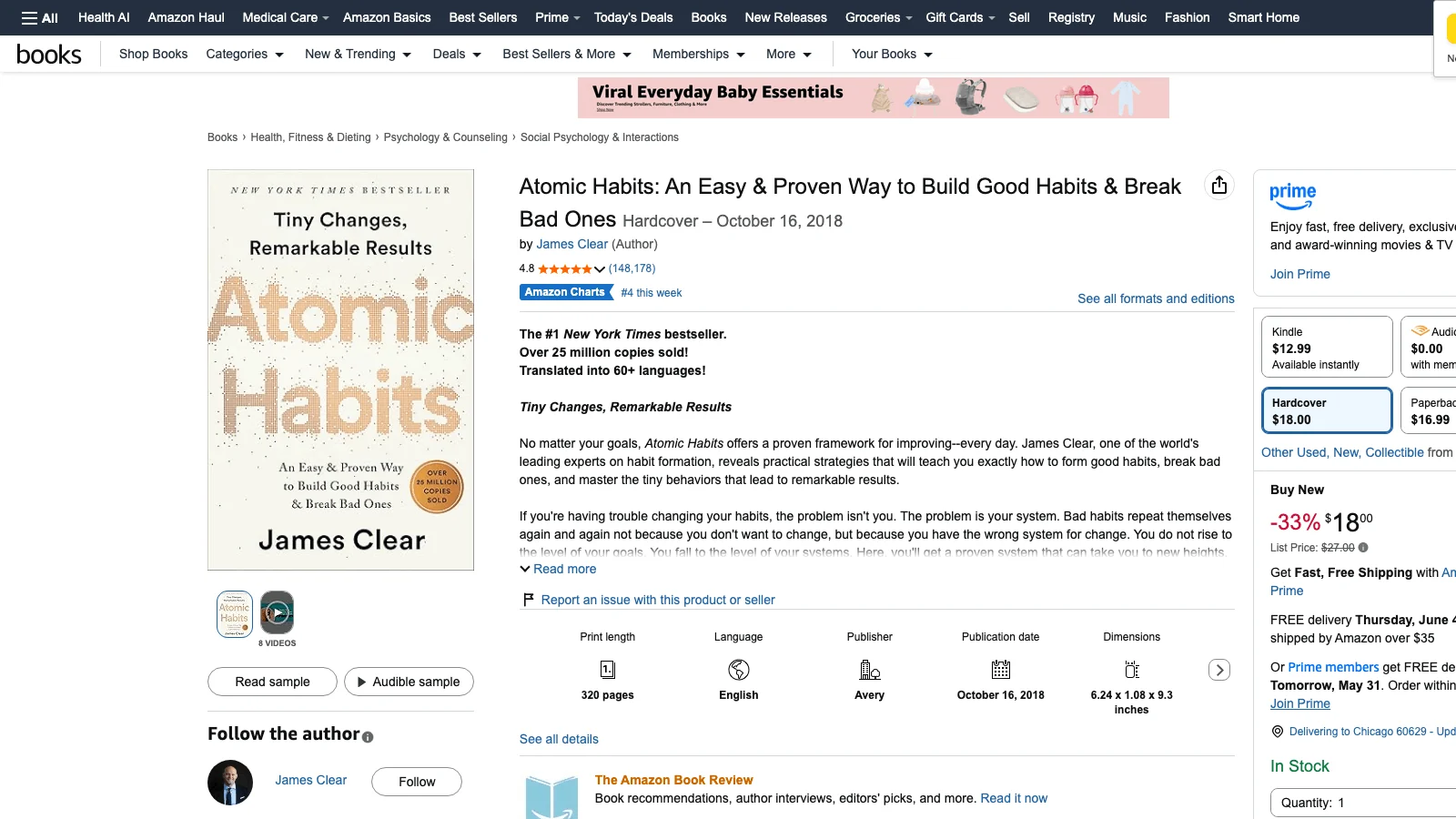
- Amazon listing example showing ISBN in product details (Atomic Habits)
Frequently asked questions
For Kindle ebooks, no. Amazon assigns an ASIN. For paperback and hardcover, yes, but KDP offers free ISBNs for both formats. You do not have to buy one. The question is whether to take the free KDP ISBN or buy your own from Bowker.
Yes. It is a 13-digit ISBN issued through Bowker and registered in standard distribution databases. The functional limitation is that it is locked to KDP, and Amazon prints 'Independently Published' as the imprint on the listing instead of your custom publisher name.
Single ISBNs from Bowker run over $100 each. The 10-pack drops the per-unit price substantially, typically into the high-$20 to low-$30 per-unit range, and the 100-pack drops it further. Pricing changes periodically; check MyIdentifiers.com directly. For coaches buying ISBNs at all, the 10-pack is usually the right unit.
In our experience with coaches publishing through Built&Written, no. Reviews, cover quality, title, description, and price drive Amazon performance for coaching books. The publisher field is buried in product details and most buyers never read it.
No. Amazon uses ASINs for Kindle. Skip the ISBN unless you also plan to distribute the ebook through non-Amazon channels like Apple Books or Kobo, in which case Draft2Digital or a similar distributor can assign one for free.
Yes, but you republish under a new ISBN, which means the new listing starts with zero reviews. Amazon will not transfer reviews between listings. The switching cost is real and usually only worth it when triggered by a deliberate strategy shift (second book, IngramSpark distribution, imprint launch).
For US-based authors, Bowker (through MyIdentifiers.com) is the only authoritative registrar. Resellers buy in bulk from Bowker and resell at a small markup. The risk is registration: if the reseller is sloppy about how the ISBN registers in Bowker's database, you end up with a publisher field that does not match your imprint name. Buy direct from Bowker.
Yes. Each print format (paperback, hardcover) is a separate ISBN. KDP provides free ISBNs for both. Hardcover editions are increasingly worth offering for coaching books because they perform well as gift-to-client items, conference giveaways, and shelf credibility items in executive offices.
Sources & References
- Amazon KDP help: What is an ISBN and Imprint?
- Amazon KDP help center home
- MyIdentifiers.com: Bowker's consumer ISBN service for US authors
- Bowker corporate site: identifier services for US publishers
- IngramSpark: print and distribution platform for self-published authors
- Draft2Digital: ebook distribution to non-Amazon retailers
- Built&Written: AI book creation for coaches and entrepreneurs
- Built&Written pricing
- Amazon listing example showing ISBN in product details (Atomic Habits)
About the author

Mykhailo Druz
More in KDP Publishing
Ready to write your book?
Turn your expertise into a professional book with Built&Written.