

How to Build a Personal Brand Around Your Book in 2026
How to Build a Personal Brand Around Your Book in 2026
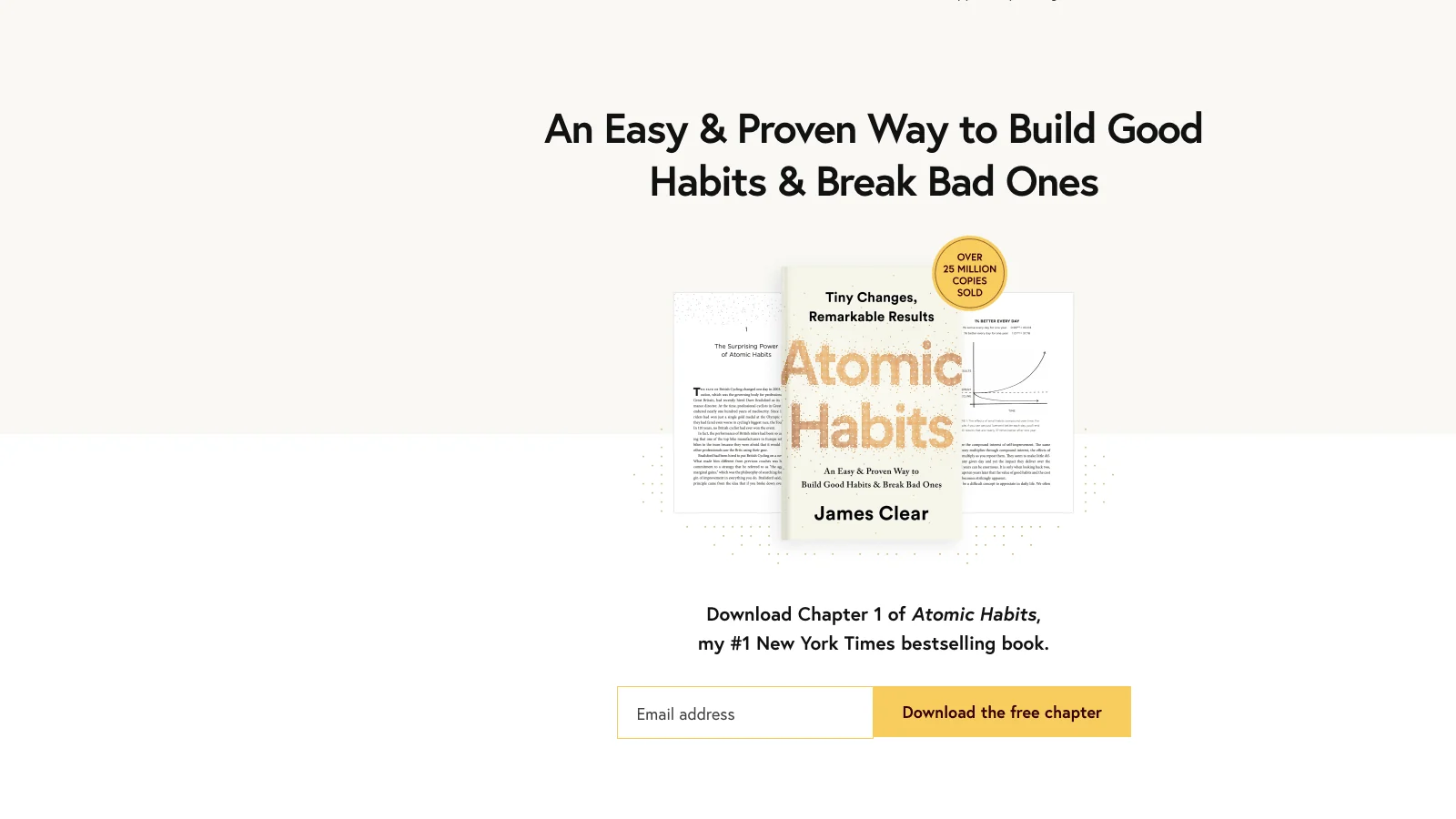
James Clear published Atomic Habits in October 2018. By then he had already spent five years building a 500,000-person email list from a blog most people in his industry ignored. The book sold 15 million copies not because Amazon's algorithm loved it but because Clear had a distribution asset in place before the first paperback shipped. The book did not create his personal brand. His personal brand is what the book landed on.
Most coaches read that story and hear: "I need to build a massive email list before I write a book." That is the wrong lesson. Clear's list was the Platform layer. The book was the Proof layer. What he had locked in first, years before either of those, was Position: a single specific claim about human behavior and habit formation that no one else in his niche was making with the same rigor. Everything stacked on top of that claim.
In 2026, the situation for coaches is both better and worse than it was in 2018. Better: KDP and tools like Built and Written mean a 200-page print-ready paperback can go from raw content to Amazon listing in days, not years. Worse: the International Coaching Federation reports 109,000-plus ICF-certified coaches globally, and the number is growing. Every one of them has a LinkedIn profile. A growing slice of them have books. The book alone no longer differentiates. The system around the book is what does.
This article is about that system. We call it the Author-Brand Stack. It runs in five layers: Position, Proof, Platform, Pipeline, Pull. Each one builds on the last. Each one has a specific output and a specific mistake coaches make at that layer. Work through all five, in order, and the book stops being a paperback that sits on page 47 of an Amazon search result and starts being the foundation of a seven-figure coaching practice.
Key takeaway: For coaches and founders in 2026, a book is a positioning asset, not a product. The Author-Brand Stack runs in 5 layers: Position (the claim), Proof (the published book), Platform (the surfaces the claim lives on), Pipeline (the lead-gen mechanism the book feeds), and Pull (the compounding inbound that builds after month 12). Build them in order. Skip one and the whole stack underperforms.
The Author-Brand Stack is a five-layer framework for turning a published book into a durable personal brand. Position is the single claim the book makes about its author. Proof is the physical artifact, the Amazon listing, the Kindle file. Platform is every surface where that Proof amplifies authority: LinkedIn, speaking slots, a podcast bio. Pipeline is the lead-gen mechanism the book feeds directly (back-matter CTAs, email sequences, discovery calls). Pull is the compounding inbound that accumulates after 12-18 months: referrals, podcast invites, speaking fees, and the "I read your book and..." cold emails that cost nothing. Most coaches build Proof without Position and wonder why nothing compounds. This article walks each layer, layer by layer.
Why a book is the foundation of a personal brand, not the product itself
Here is the financial reality most coaches misunderstand about books. A 200-page paperback on KDP at $14.99 list price nets roughly $4.50 per copy after KDP's 60% royalty and print cost deduction. Sell 1,000 copies in year one and you've earned $4,500 from the book itself. That is positive unit economics. It is also completely beside the point.
The coach who writes a book for book revenue is optimizing for the wrong number.
The right number is what the book does to the coaching fee. A business coach charging $3,000 for a three-month engagement, cold, is a common scenario. The same coach, after publishing a focused book on a specific problem for a specific client type, starts getting inbound calls where the prospect already knows the methodology, already trusts the framing, and is calling to ask how to start. That coach charges $30,000 for the same engagement and the prospect doesn't negotiate. The book didn't generate $30,000. The book changed the conversion dynamic so dramatically that the fee became a different number entirely.
James Clear's site is worth studying here. Go to it now. The hero section doesn't say "author" as the first word. It says "I write about habits, decision making, and continuous improvement." The book is proof of that claim, not the claim itself. This distinction matters. Coaches who call themselves "Author of [Book Title]" in their LinkedIn headline have mistaken Proof for Position. The Proof (the book) sits under the Position (the claim). Reverse them and the brand feels thin.
ICF research puts the global certified coach population above 109,000. That number is accelerating. The coaching market was estimated at $20 billion globally and growing at roughly 5% per year through the mid-2020s. Differentiation is not optional at this scale. It is survival. And the tools available for differentiation in 2026 are more accessible than at any prior point: KDP is free to use, Built and Written brings assembly time from years to days, and a LinkedIn profile with "Author of [Book]" in the bio gets meaningfully more profile views than one without.
Coaches who want the full argument on why authority positioning outperforms expertise signaling should read our breakdown of how a book functions as a business card that never gets thrown away. The short version: a book stays in a prospect's office, on their shelf, in their Kindle library for years. A LinkedIn post from last Tuesday is gone from the feed in 48 hours.
The honest caveat: most coaching books sit dead on Amazon page 47. Not because the author isn't qualified. Because they built Proof without Position, or built Platform without Pipeline. The book exists but no system moves it from "published" to "inbound revenue." That is the gap the Author-Brand Stack closes.
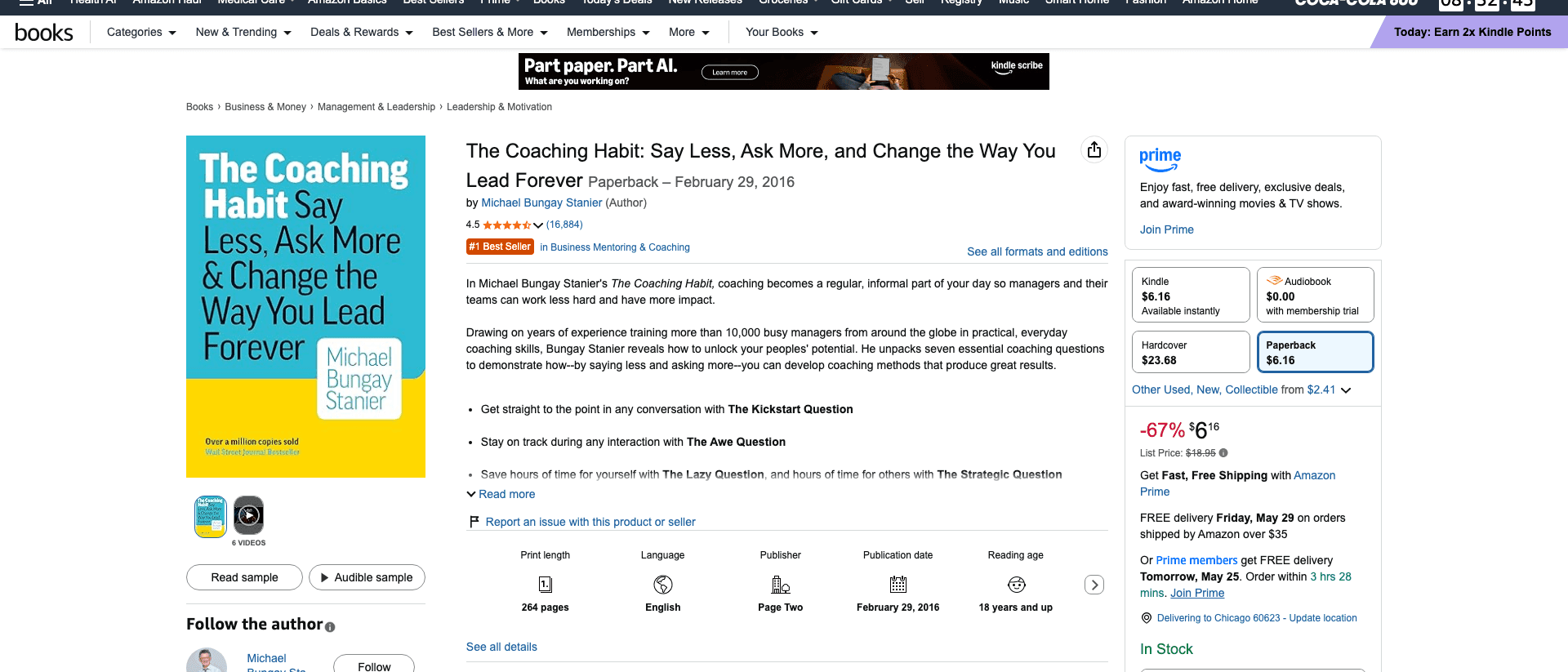
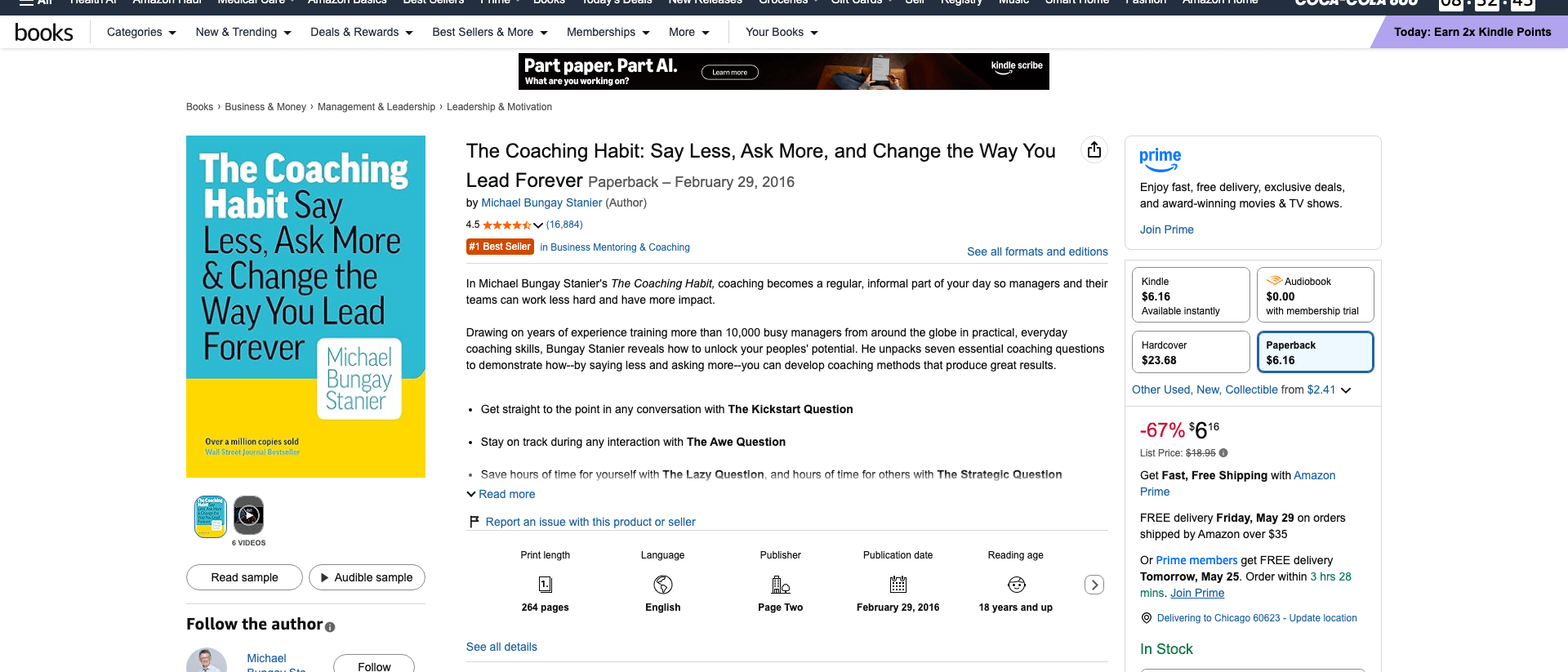
One data point on the asymmetry: The Coaching Habit by Michael Bungay Stanier sold over one million copies. MBS spent years before launch building a specific, defensible Position in the coaching world ("the advice trap," the idea that giving advice undermines coaching). The book was Proof of that position. Everything compounded from there. The coaches who sold 12 copies published books without that foundation.
For coaches who haven't published yet, the bar to entry is lower than it looks. The content already exists: LinkedIn posts, client workshop notes, voice memos, coaching session transcripts. Tools like Built and Written take that existing content and assemble it into a KDP-ready manuscript. The manuscript is not the hard part. The hard part is the five-layer system the manuscript sits inside. Read our guide on how to raise your coaching rates with a book for the rate compression data behind this.
The bottom line: a book is a marketing asset, a credibility anchor, and a lead-gen machine. It is not a revenue stream. Build it for the right reasons and it pays for itself 10 times over in coaching fees within 18 months.
The Author-Brand Stack: 5 layers from book to brand
The Author-Brand Stack is a framework we use at Built and Written for thinking about what a coaching book actually needs to do. It runs in five layers. Each layer has a specific output. Miss one and the stack underperforms at every layer above it.
| Layer | What it is | The output |
|---|---|---|
| Position | The single claim the book makes about its author | A one-sentence niche statement prospects can repeat |
| Proof | The published book (physical artifact, Amazon listing, Kindle file) | A KDP-listed paperback + ebook with a completed Author Central profile |
| Platform | The surfaces where Proof amplifies authority | LinkedIn bio, About page, podcast bio, speaking pitch |
| Pipeline | The lead-gen mechanism the book feeds | Email list, back-matter CTA, discovery call sequence |
| Pull | Compounding inbound after month 12 | Referrals, podcast invites, speaking fees, "I read your book" cold inbounds |
The layers stack in this order deliberately. Position has to come first. It determines what the book is about, who it's for, and what claim it makes. Without a locked Position, the book ends up being a general overview of coaching principles, which is what 80% of coaching books are, and why 80% of coaching books don't build businesses.
Proof is layer two because you cannot Platform, Pipeline, or Pull until there is a physical artifact to point at. "I'm writing a book" gets a polite nod. "Here's the book, it's on Amazon" changes conversations.
Platform is layer three because the book's reach is limited to the distribution you build. A book without Platform lives on Amazon and nowhere else. With Platform, the book lives in your LinkedIn bio, your speaking one-sheet, your podcast introduction, your About page, and every new audience you access through any of those surfaces.
Pipeline is layer four because Platform without Pipeline is awareness without revenue. The goal is not for people to know about the book. The goal is for people who read the book to become discovery call bookings. The back matter is where this happens.
Pull is layer five because it cannot be manufactured. It accrues after the first four layers are running. Podcast hosts who find your book, referrals from clients who gift it, speaking invites from conference organizers who read it. This is the compound return on the stack.
Coaches who want to see the full positioning play in action can read our guide on expert positioning strategy using a book as backbone. The Stack framework translates that positioning theory into an operational sequence.
Layer-by-layer: Position, Proof, Platform, Pipeline, Pull
Position
What it is. Position is the single specific claim you make about yourself for a specific client type. Not "I help leaders grow." Something like: "I help healthcare CFOs cut their decision-making cycle from 30 days to 3." The book is proof of that claim. Without the claim, the book is a credential that doesn't point anywhere.
The one decision you make here. Who is the book for, and what does it make them believe about you that they didn't believe before? This is a different question than "what is the book about?" A book about leadership could be for anyone. A book about why healthcare CFOs make slow decisions and what to do about it is for a specific person with a specific problem. Write for the second person.
The mistake most coaches make. Writing for the largest possible audience to maximize reach. This produces a book that resonates with no one in particular, which means no one in particular recommends it, quotes it, or hires the author because of it.
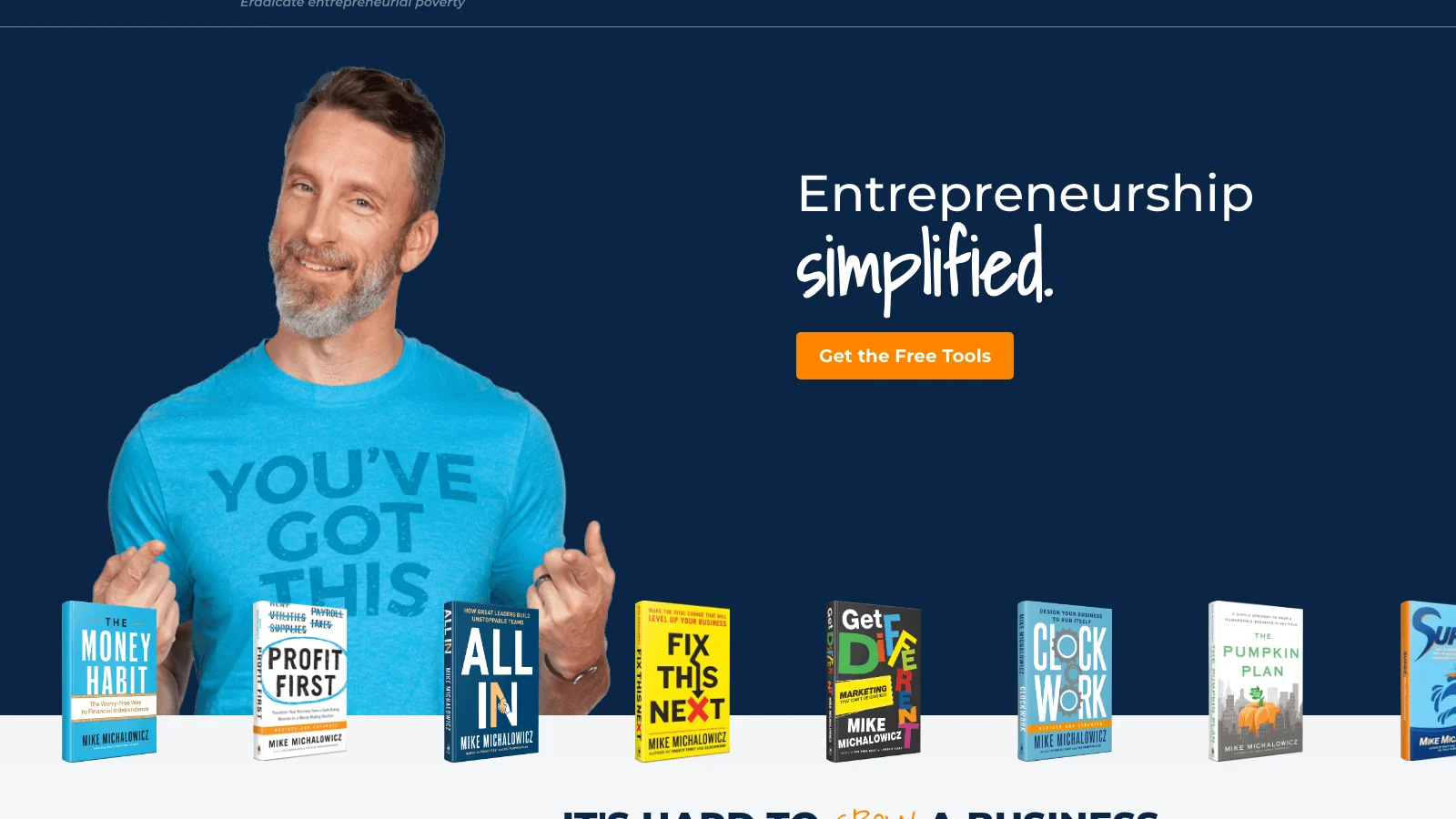
The right move. Narrow until it feels uncomfortably specific. If you're a business coach for SaaS founders, the book shouldn't be about entrepreneurship in general. It should be about one specific problem SaaS founders hit at one specific stage of growth. Profit First by Mike Michalowicz is the canonical example: not "how to run a profitable business" but "a specific cash management system for small business owners who feel broke despite revenue." The specificity is the Position.
The 30-day output. A single-sentence Position statement you would put in your LinkedIn headline and on the cover of your book. Test it on 5 existing clients. If they say "that's exactly my problem," it's right. If they say "interesting, tell me more," narrow further.
Proof
What it is. Proof is the published physical artifact. A KDP-listed paperback, a Kindle ebook, and a completed Amazon Author Central profile. Without the print copy, the Platform layer loses its most powerful prop. Podcast hosts, conference organizers, and potential clients all respond differently to "here's my book" (physical) than to "here's my book" (PDF they never open).
The one decision you make here. Format and path to publication. KDP self-publishing is the right call for most coaches in 2026: no upfront cost, 60% royalty on paperback, 70% on Kindle, full creative control, and a live listing within 72 hours of submission. Traditional publishing for a first coaching book is a 2-3 year process that ends in the publisher owning the rights and controlling the cover. Unless a Big Five imprint is handing you a $100,000 advance (unlikely for a first-time coaching author), KDP is the right move.
The mistake most coaches make. Spending 18 months writing and never shipping. The book doesn't have to be perfect. The Coaching Habit by Michael Bungay Stanier is a short book. Direct, specific, highly opinionated. MBS didn't try to write the comprehensive guide to all coaching. He wrote one specific book about one specific idea and shipped it.
The right move. Use what you already have. LinkedIn posts, workshop notes, voice memos, client session recordings (transcribed). Assemble from existing material rather than starting from a blank page. Built and Written takes pasted content (LinkedIn posts, notes, podcast transcripts as text) and assembles it into a KDP-ready, Voice DNA-preserved manuscript. The Voice DNA feature learns from your existing writing samples so the output sounds like you, not like generic AI prose. Coaches who want the full production walkthrough should read our complete guide to AI book writing and publishing for coaches in 2026.
The 30-day output. A KDP-listed paperback with a completed Author Central profile, a correct spine and cover, and at least a Kindle counterpart. Order 25 proof copies. You will hand them out, mail them, leave them at events. Physical books in real hands do more work than any digital file.
Platform
What it is. Platform is every surface where the Proof amplifies your Position. Your LinkedIn bio with "Author of [Book Title]." Your About page with the cover image and an Amazon link. Your podcast bio with the book mention. Your speaking one-sheet with the book listed. Platform is distribution: every new audience you reach through any surface where the book is mentioned becomes a potential Pipeline entry.
The one decision you make here. Where to anchor first. For most coaches, LinkedIn is the right first Platform anchor. The audience is there, it's professional, and a bio update is free. After LinkedIn, the About page on your website. After that, every podcast appearance you do should include the book.
The mistake most coaches make. Treating Platform as one-and-done. They update the LinkedIn bio after publishing and stop. Platform compounds when you actively move through new audiences: guesting on podcasts, speaking at events, collaborating with adjacent practitioners. Each new audience is a new Platform surface where the book does positioning work passively.
The right move. Schedule a Platform audit at month one, month three, and month six post-publication. Check: Is the book in every bio? Is the About page current? Is the Amazon listing clean? Did you add the book to your speaking profiles? StoryBrand by Donald Miller is a useful framework for ensuring every Platform surface tells the same story consistently: the client is the hero, you are the guide, the book is the plan.
The 30-day output. LinkedIn bio updated, Amazon Author Central live, website About page refreshed with cover image and Amazon link, and a list of 5 podcasts to pitch as a guest with the book as the credential. Coaches who want to build thought leadership through Platform should read our breakdown of how to become a thought leader with one flagship book.
Pipeline
What it is. Pipeline is the mechanism that converts book readers into discovery call bookings. The primary driver is the back matter: the last section of the book, after the final chapter, where you offer the reader a next step. Most coaching books end with a "thank you for reading" note. Books that build businesses end with a specific offer, a specific URL, and a specific reason to take action.
The one decision you make here. What is the back-matter offer? A free resource (a worksheet, a companion guide, a private training) tied to the book's core methodology works well. Something the reader genuinely wants, gated behind an email opt-in. The URL goes in the back matter. The email that arrives after opt-in begins the discovery call sequence.
The mistake most coaches make. No Pipeline at all. The book ends, the reader closes it, and the author never hears from them again. This is the most common failure mode in the Stack. Books without back-matter CTAs convert at approximately 0% of readers. Books with a specific, valuable back-matter offer convert at 1-3% of readers into email subscribers, and a subset of those into discovery calls. On a base of 500 paperback copies in the wild, 1% is 5 new email subscribers per week from nothing but a book doing its job passively.
The right move. Write the back-matter CTA before you finalize the manuscript. It should be: one specific resource, one specific URL, one specific action. "Download the [Framework Name] worksheet at [URL]" beats "connect with me at [URL]" every time. For coaches who want to build a full book-to-email-list system, read our guide on using a book for lead generation that converts and our walkthrough of building an email list of ideal clients from a book.
The 30-day output. Back-matter CTA written, URL live, email opt-in connected to an autoresponder sequence (3-5 emails over 10 days, ending with a discovery call invitation). If you need a lead magnet, a PDF companion to the book's main framework takes a day to produce in Notion and delivers enough value to justify the opt-in.
Pull
What it is. Pull is compounding inbound. It is the podcast host who finds your book and emails you asking to have you on. It is the referral from a client who gifted your book to a colleague. It is the "I read your book and wanted to reach out" cold email from a prospect who is already sold before the first conversation. Pull cannot be manufactured directly. It is the output of the first four layers running well for 12 or more months.
The one decision you make here. Patience. The mistake is trying to accelerate Pull artificially (buying fake reviews, soliciting reviews from non-readers, chasing coverage before the book has been in the wild long enough). Pull is real when it's organic. One genuine podcast invite because a host read your book is worth more for the brand than 10 manufactured appearances.
The mistake most coaches make. Expecting Pull in month one. The Stack takes 12-18 months to compound fully. Coaches who publish in Q1 and expect inbound to materially shift by Q2 are measuring too early. The compound effect is real but it is not fast.
The right move. Track the signals: "Where did you hear about me?" on discovery call intake forms. Amazon review sentiment. LinkedIn comment threads on book-related posts. These tell you whether Pull is building. When you start seeing "I read your book" on intake forms, the Stack is working.
The 30-day output. A tracking system in place (even a simple Notion database) that captures how every new lead found you. This data becomes the evidence that tells you which Platform surfaces are feeding Pull most effectively.
The math: what each layer actually returns
Let's put real numbers on the Stack. These are not projections from a best-case scenario. They are ranges based on patterns we see with coaches who build the Stack correctly.
Position. An unfocused book costs 6-18 months of evenings and weekends and generates $0 in attributable business. A focused book costs the same time but generates measurable inbound within 6 months. The ROI on Position is not measurable in dollars directly. It is measurable in the quality of inbound leads: prospects who are pre-sold on your methodology before the first call versus prospects who need to be educated from zero. The focused book consistently produces the first category.
Proof. Unit economics: a 200-page KDP paperback at $14.99 list nets approximately $4.50 per copy after the 60% royalty rate minus print cost. At 500 copies in year one (a realistic number for a coach with a modest but engaged audience and active Platform), that is $2,250 from book sales. Positive. Not life-changing on its own. The real return on Proof is in what it signals at every Platform surface. A LinkedIn profile with "Author of [specific book]" in the bio reliably outperforms one without on profile view rate. Coaches we've worked with report 3x-5x increases in profile views and inbound connection requests in the 90 days after publishing and updating Platform.
Platform. The compound math here is audience multiplication. If you guest on 8 podcasts in year one (a realistic number for a published author with a clear Position), each with an average audience of 5,000 listeners, that is 40,000 people who encounter your Position and book without you spending a dollar on advertising. Some fraction of those people buy the book. A smaller fraction email you. A smaller fraction become clients. The costs are time, not money.
Pipeline. Back-matter conversion at 1-3% of readers is the range we consistently see. Base case: 500 paperback copies distributed in year one. 1% opt-in rate = 5 email subscribers. 3% = 15. On a 12-email welcome sequence with a discovery call offer at the end, a well-structured coaching offer converts email subscribers to discovery calls at 10-20%. At 15 subscribers, that is 1-3 discovery calls from book readers per month. At $20,000-$50,000 per retained coaching engagement, one closed client from this channel in year one pays for every Stack cost many times over.
| Scenario | Book copies distributed | Back-matter opt-in rate | Email subscribers | Discovery calls (12 months) | Closed clients (20% close rate) | Revenue from Stack |
|---|---|---|---|---|---|---|
| Conservative | 250 | 1% | 2-3 | 3-5 | 1 | $20K-$50K |
| Base case | 500 | 2% | 10 | 12-15 | 2-3 | $40K-$150K |
| Strong | 1,000 | 3% | 30 | 30-40 | 6-8 | $120K-$400K |
Pull. The 18-month compounding effect is real but hard to attribute precisely. We've seen coaches report inbound inquiry volume growing 3x-5x in year two after publishing, with the book cited as the primary discovery mechanism in more than half of new client intake forms. The math here depends entirely on Position quality and Platform reach. A narrowly positioned book in front of the right audience compounds faster than a general book in front of a large but unfocused one.
Without the Stack versus with the Stack, 12-month coach revenue impact:
| Metric | Without the Stack | With the Stack |
|---|---|---|
| New clients from inbound | 0-1 | 3-8 |
| Average client fee | $3,000-$8,000 | $15,000-$50,000 |
| Pipeline cost | $0 (no system) | from $19/month BW + time |
| Average sales cycle | 4-8 weeks | 1-2 weeks (pre-sold) |
| Revenue attribution to book | None | 30-60% of new revenue |
The coaching fee inflation in the "with the Stack" column isn't arbitrary. Coaches with published, distributed books command higher fees because the authority signal changes the conversation before it starts. This is the core mechanism. Coaches who want to read the rate-change research more deeply should read our guide on how a book builds author credibility that drives revenue.
Three composite case studies: coaches who built brands around books
These are composites. The patterns are real; the names and identifying details are fictional.
Composite A: Mara, a business coach for SaaS founders
Mara ran a solo coaching practice for three years before publishing. Revenue hovered at $180,000 per year from 8 retained clients averaging $22,500 each. She had a modest LinkedIn following (2,200 connections), posted inconsistently, and got most of her clients from one warm referral network. New client acquisition was slow: 60-90 days from first contact to signed agreement, almost always initiated by Mara through outbound.
She had a clear niche (growth-stage SaaS founders dealing with management transitions as the company scaled past 20 employees) but had never articulated it as a Position. She had four years of LinkedIn posts, workshop slide decks, and client session notes sitting unused.
Using Built and Written, she assembled those existing materials into a 210-page manuscript. Voice DNA preserved her direct, technical writing style across chapters. The book shipped on KDP in under three weeks from first content upload. Position: "The management transition you didn't hire for: why SaaS founders lose their best engineers at scale, and how to fix it in 90 days." Specific. Uncomfortable for the ICP in the right way.
Within 8 weeks of publication, she updated her LinkedIn bio, appeared on two SaaS-focused podcasts (booked using the book as the pitch), and began distributing copies to founder communities she was already part of. Back-matter CTA: a free 90-day team audit worksheet.
Month 9: Pull activated. Two conference invitations from a SaaS founders event. A VC partner mentioned the book in a LinkedIn post. Three "I read your book" inbound emails in a single week. By month 12, Mara had closed 4 new clients at an average fee of $42,000, all inbound, all citing the book. Annual revenue: $308,000. The book generated $4,600 in KDP royalties as a separate line item. The royalties were not the point.
Composite B: James, an executive coach for healthcare CFOs
James had deep expertise, a 20-year career in healthcare finance before pivoting to coaching, and zero online presence. No LinkedIn content, no published work, no speaking history. His practice was entirely referral-based and capped by the size of his immediate network. Revenue: $240,000 from 6 clients. He could not grow without either expanding the referral network (slow) or building Platform from scratch.
He hired a ghostwriter quote at $35,000 for a book project and walked away from the meeting. Instead, he structured his existing client workshop materials, took several pages of his own writing samples for Voice DNA calibration, and built the manuscript through Built and Written over six weeks. The book: a 190-page guide to decision-making frameworks for healthcare CFOs under regulatory pressure.
Platform became his primary focus. He used the book to pitch as a guest on 12 healthcare finance podcasts in year one. Landed 7 appearances. Each appearance introduced him to a new audience of CFOs, controllers, and health system executives. His LinkedIn following grew from 400 to 4,800 connections in 14 months, driven almost entirely by people who found him through podcast appearances and looked him up via the book.
By month 14, three of his six existing clients had referred colleagues who had heard him on a podcast and purchased the book. Two of those referrals converted at $55,000 engagements. He had broken the referral ceiling not by asking for more referrals but by building Platform that let the book do the introduction work.
Coaches doing the positioning play for executives should read our piece on personal branding for executives and how to make your book last.
Composite C: Linh, a life coach for women in tech
Linh had an email list of 1,400 subscribers, a YouTube channel with 3,200 subscribers, and a practice that converted well when people found her but struggled to grow discovery. Her content was good. Her Pipeline was non-existent: no back-matter CTA on her existing digital products, no discovery call funnel.
Her book focus: navigating the identity crisis that high-performing women in tech face when they reach senior leadership and find themselves managing men who resent them. Specific, uncomfortable, highly shareable within the niche.
The back-matter CTA was the most deliberate part of her Stack. She offered a 7-day private audio series (recorded on her phone, one 8-minute episode per day) for anyone who opted in via the back-matter URL. The audio series ended with a 30-minute complimentary coaching session offer.
Eight percent of readers who reached the back matter opted in. That is the highest Pipeline conversion rate of the three composites, driven entirely by a back-matter offer that was highly congruent with the book's emotional resonance. On 800 books distributed in year one, that 8% produced 64 email subscribers from the book alone. Twenty-two of those booked the complimentary session. Nine became paying clients at $12,000 each. Revenue from Pipeline alone: $108,000 in year one. For the deeper lead-gen mechanics, read our walkthrough of building an email list of ideal clients from a book.
Tool placement: where each tool fits in the Stack
The right tool at the right layer matters. Here is where each major tool sits.
Position: no tool replaces this
Position is a whiteboard and three hours alone. No software helps. The questions are: Who is the book for? What is the one specific problem it solves for that person? What does reading it make them believe about you? The output is one sentence. Write it on a sticky note. Put it above your desk. Every subsequent decision (chapter structure, cover design, back-matter offer, Platform language) checks against that sentence.
Proof: Built and Written, Atticus, Vellum
For coaches with existing content (posts, notes, transcripts) and no manuscript: Built and Written from $19/month. Users paste content directly (LinkedIn posts, blog drafts, notes, podcast transcripts as text). The tool proposes a structure, the author edits it, Voice DNA learns the author's writing samples and preserves the voice chapter by chapter. Output: a KDP-compliant interior PDF in 5x8, 6x9, or 8.5x11 trim sizes, correct gutters, running headers, and a cover designer with spine math built in. Alongside the manuscript, the KDP Launch Co-pilot generates the full Amazon listing: title, subtitle, description, keywords, categories, and a pre-filled LinkedIn announcement draft. There is a free tier.
For coaches who have already written a manuscript and need formatting: Atticus at $147 one-time is the right call. Atticus is excellent for writers who have the manuscript and want clean KDP and IngramSpark output. It does not generate content. That is not a criticism. It is the right tool for a different starting point.
For coaches who are Mac users and want premium typography: Vellum at $250 (books only) is the gold standard for interior design quality. Vellum's output is arguably better-looking than Atticus. It is also Mac-only, more expensive, and not designed for content generation. Use it if typography is a differentiator for your audience.
Honest take: Atticus is excellent for people who have the manuscript. Vellum is the gold standard for typography. Built and Written closes the gap for coaches who have ideas and existing content but no manuscript and no time to write one from scratch. For a full comparison of the tool landscape, read our guide on thought leadership for entrepreneurs and why your book wins.
Platform: LinkedIn, Amazon Author Central, website
None of these cost money. Amazon Author Central is free and takes 30 minutes to set up correctly: author photo, bio (up to 2,500 characters), blog RSS feed if you have one, and a "From the Author" section on the book's detail page. LinkedIn bio update is free and immediate. Website About page is a one-hour project if you have a site already built.
The only cost at Platform is time: podcast guesting, speaking pitches, content that references the book. Prioritize LinkedIn and Amazon Author Central first. Everything else is additive.
Pipeline: Kit, MailerLite, Calendly
For the email list: Kit (formerly ConvertKit) is the cleanest option for coaches with a small to medium list size. MailerLite is a solid lower-cost alternative. Mailchimp works but the UX for sequences is less intuitive. Pick one and stay with it. Migrating email platforms mid-Pipeline is painful and kills momentum.
For discovery call booking: Calendly (free tier is sufficient for a solo coach) or SavvyCal if you want more control over scheduling rules. Both integrate directly with email sequences via link. Put the Calendly link in the fourth or fifth email of the welcome sequence, after you have delivered three value-first emails. Do not lead with the booking link. That reads as a pitch, not a sequence.
For the lead magnet: Notion exports cleanly to PDF. Build the companion resource as a Notion page, export as PDF, host on any file storage. Done.
Pull: human work
No tool manufactures Pull. Podcast pitches are written and sent by a human. Referral asks are made in conversations. Speaking submissions go through organizers who have read the book or heard of you through someone who has. The only system worth building here is the tracking system mentioned in the Pull section above: a simple intake question ("How did you hear about me?") that tells you which Platform surfaces are feeding Pull. Read our framework on how to build an author brand with a unique USP for the positioning work that makes Pull scale faster.
Key takeaways
- A book is a positioning asset, not a product. The coaching fee is where the money is, not the KDP royalty.
- Position comes before everything else. One sentence. One specific client type. One specific problem. No Position means the book ends up on page 47 of an Amazon search and stays there.
- Proof is the published book: KDP-listed paperback, completed Author Central profile, and print copies in hand to give, mail, and distribute at events.
- Platform multiplies the book's reach. LinkedIn bio, About page, podcast appearances, speaking slots. Each one is a passive distribution surface that works while you sleep.
- Pipeline converts readers to revenue. The back-matter CTA is the mechanism. A specific resource, a specific URL, an email sequence that ends with a discovery call offer. Without Pipeline, a book generates awareness and nothing else.
- Pull compounds after month 12. Referrals, podcast invites, "I read your book" cold emails from prospects who are already sold. You cannot rush Pull. You can only build the first four layers well and wait.
- The from $19/month decision: Built and Written compresses the Proof layer from 18 months of solo writing to days of content assembly. At from $19/month with a free tier, the cost of not shipping the Proof layer is harder to justify than the cost of shipping it.
Sources & References
- James Clear - Official author site
- Atomic Habits on Amazon
- StoryBrand by Donald Miller
- Profit First by Mike Michalowicz on Amazon
- The Coaching Habit on Amazon
- Amazon KDP - Author Central setup help
- International Coaching Federation - Industry research
- Built and Written - Coaches landing page
- Built and Written - Homepage
- Built and Written - Pricing
Frequently asked questions
Yes. Plenty of coaches build strong personal brands through consistent content, speaking, and referrals. But a book does something that content cannot: it signals a specific depth of expertise through a single artifact that prospects can hold, shelf, and return to. A LinkedIn post from 2023 is gone. A book from 2023 is still in a client's office in 2026. For coaches in crowded niches, the book is not strictly necessary, but it is the highest-authority signal available at the lowest cost relative to alternatives like speaking programs ($50,000-plus to develop) or traditional media coverage (largely outside a solo coach's control). Coaches who want the comparative argument should read our piece on how to become a thought leader with one flagship book.
Expect 18 to 24 months for the Author-Brand Stack to compound fully. The Proof layer (the book itself) can be shipped in weeks if you use existing content and a tool like Built and Written. The Platform layer activates within 30 days of publication. The Pipeline layer produces its first leads within 60 to 90 days of the first book copies reaching readers. Pull takes 12 months minimum to generate meaningful signal. The total timeline is not about writing or publishing. It is about the Pull layer's compounding nature. Month 6 looks flat. Month 18 looks like a different business.
Rough all-in cost for a solo coach building the Stack: Proof production: Built and Written from $19/month (free tier available). KDP is free to publish. Cover design is included in the tool. 25 proof copies from KDP at approximately $4-6 per copy: $100-$150. Email platform (Kit free tier covers up to 10,000 subscribers, MailerLite free tier covers 1,000): $0 to start. Calendly free tier for discovery call booking: $0. LinkedIn profile update: $0. Amazon Author Central: $0. Total hard cost to ship the Stack: under $200, plus the from $19/month subscription. This excludes any paid promotion, which is optional and not part of the Stack's core mechanism. The Stack is designed to work without paid advertising. Coaches who want the full launch strategy should read our guide on how to launch a book that fuels your business.
The conventional answer is "build the audience first." That is wrong for most coaches. Here is why: the book sharpens the Position, and the sharpened Position makes the LinkedIn content better. Coaches who spend six months trying to grow a LinkedIn audience before publishing often discover that their content is unfocused because their Position is unfocused. Publish the book first. Lock the Position. Then build the audience around a claim you are confident in. The book also gives LinkedIn content a natural anchor: excerpts, frameworks, questions from the methodology. Coaches with no audience who publish first consistently produce better LinkedIn content than coaches who build audience first and publish later. Coaches who want the full LinkedIn-book integration strategy should read our piece on how a book functions as a business card that never gets thrown away.
Track six metrics: 1. "How did you hear about me?" on discovery call intake. Book attribution should grow over time. 2. Amazon ranking in your book's primary category. Trending up = pull growing. 3. Back-matter opt-in rate. Calculate: total email subscribers from book source divided by estimated total books distributed. Below 1% means the back-matter offer needs work. 4. Email-to-discovery-call conversion rate. Below 5% means the sequence needs work. 5. Inbound discovery calls per month. Should grow quarter-over-quarter starting month 6. 6. LinkedIn profile views. Should spike after each Platform activation event (podcast appearance, speaking slot, content featuring the book). The metrics compound. If opt-in rate is right but email-to-call conversion is low, the sequence is the problem. If email-to-call conversion is right but inbound calls are low, the book distribution is the problem. The Stack tells you exactly where the bottleneck is.
Honestly: the risk is real if the AI sounds like AI and not like you. Generic AI prose in a coaching book signals low-effort production, and readers notice. The question is whether the AI tool preserves your voice or overwrites it. Built and Written uses a Voice DNA system: before generating any chapter, the tool ingests 5 to 50 pages of your existing writing (LinkedIn posts, notes, emails, transcripts). The AI learns your sentence structure, vocabulary choices, level of formality, and pacing. The output sounds like you writing a book, not like a language model generating a coaching book template. The real answer to the objection is this: every book goes through editors, ghostwriters, developmental editors, and writing coaches. Nobody reads a Donald Miller book and says "he had help structuring this." The voice is his. The same principle applies here. If the Voice DNA system is working, the book is you. The assembly tool is the editorial infrastructure, not the author. For the full breakdown of the AI voice question in coaching publishing, read our piece on how to build an author brand with a unique USP.
Sources & References
- James Clear: Official author site
- Atomic Habits on Amazon
- StoryBrand by Donald Miller
- Profit First by Mike Michalowicz on Amazon
- The Coaching Habit on Amazon
- Amazon KDP: Author Central setup help
- International Coaching Federation: Industry research
- Built and Written: Coaches landing page
- Built and Written: Homepage
- Built and Written: Pricing
About the author

Michael Pavlovskyi
Ready to write your book?
Turn your expertise into a professional book with Built&Written.