
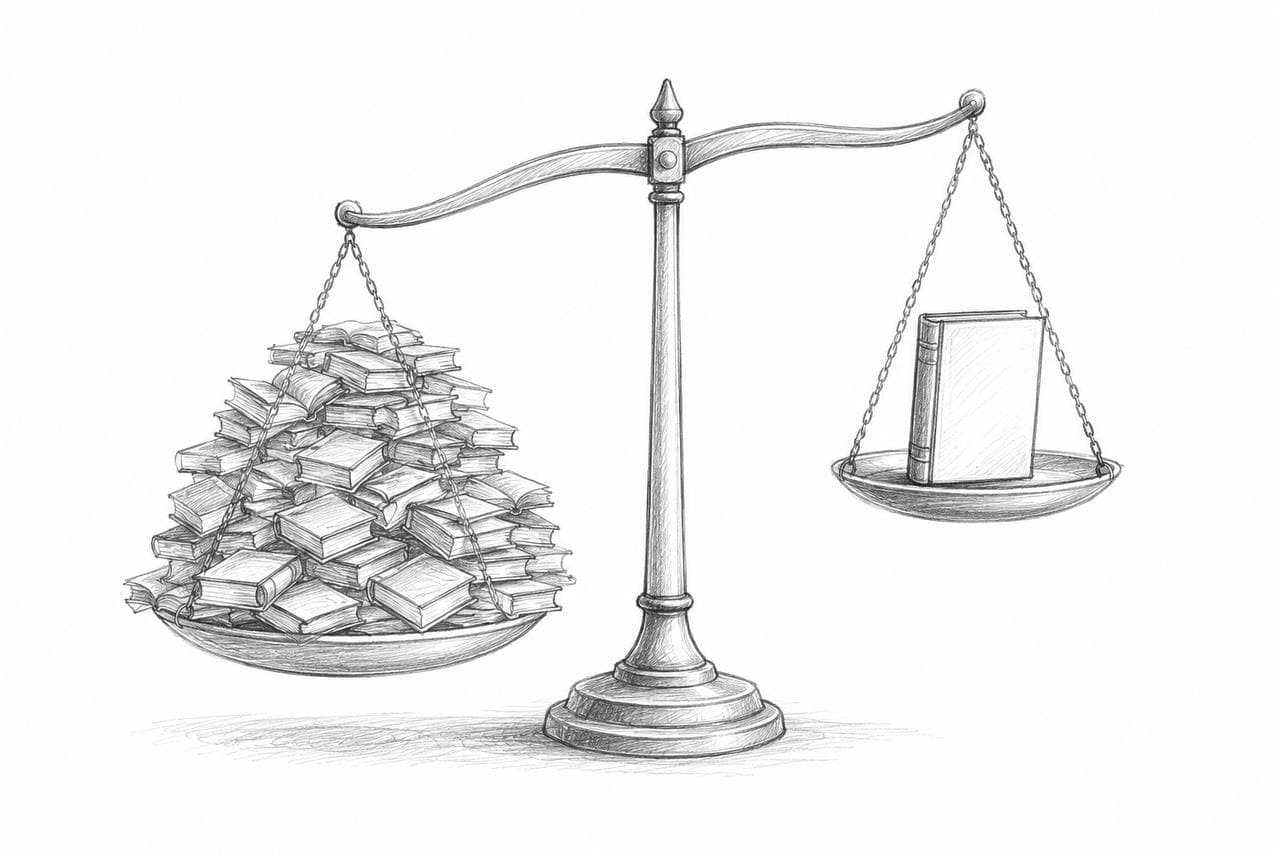

3.5 Million New Books Flooded Amazon. Reader Trust Is the Only Filter Left.
- Self-published authors issued more than 3.5 million ISBN-registered titles in 2025, up 38.7% year over year. (selfpublishing.com, Publishing by the Numbers 2026)
- Self-published titles now outnumber traditionally published ones by more than 5 to 1. (selfpublishing.com, 2026)
- 61% of American readers feel less fulfilled once they learn a book was AI-generated, and 43% of business and self-help readers feel much less fulfilled. (YouGov, August 2025)
- In a 261-person experiment, disclosing AI authorship significantly lowered how competent and trustworthy readers judged the writer. (University of Tokyo, October 2025)
- 56% of readers want any AI involvement disclosed, and Amazon now acts at the account level against repeat undisclosed-AI publishers. (YouGov 2025; Authors Guild)
In September 2023, the New York Mycological Society posted a warning that read more like a safety bulletin than a book review. Foraging guides on Amazon, several flagged as AI-written, were telling readers to identify wild mushrooms by smell and taste. Buy books only from known authors and foragers, the society urged, because the mistake could mean life or death. A US detection firm, Originality.ai, later scored four sample titles at 100% AI-generated for the Guardian. That was the first tremor. The flood came after, and it changed what a book has to prove: the AI book flood is the surge of machine-generated titles on Amazon, more than 3.5 million self-published books in 2025 alone. For founders and coaches, it changes the math. Readers now distrust anything they suspect a model wrote, so a book grounded in first-hand, verifiable expertise is the one asset that still earns trust, authority, and clients.
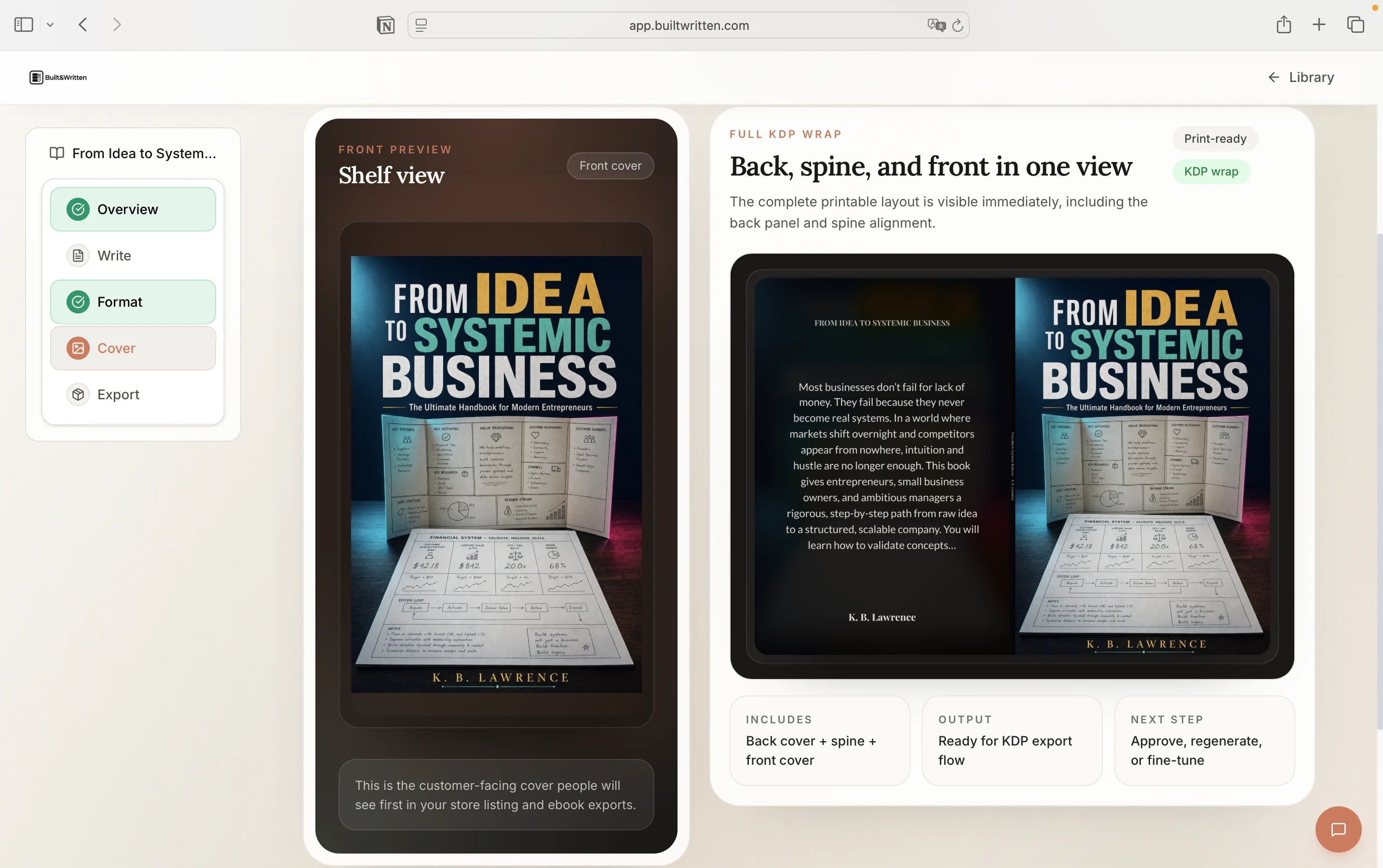
Wren is an AI book-writing platform built for founders and coaches who want a finished business book without a six-month draft grind. It works from your own material: your interviews, frameworks, and client results, and shapes that expertise into a structured manuscript. The output is a book a reader recognizes as yours, not a prompt any competitor could paste into a chatbox.
1. How big is the AI book flood, really?
The numbers are not subtle. selfpublishing.com's Publishing by the Numbers 2026 report counts more than 3.5 million self-published ISBN titles in 2025, a 38.7% jump in a single year. Traditional houses released about 642,000. Self-published books now outnumber traditional ones by more than five to one. Total US output crossed 4.1 million registered titles, and even getting your first honest reviews is harder than it's ever been in that pile.
- Fewer than 34% of even major-publisher titles sell more than 1,000 copies in their first year. The shelf is not crowded, it is buried.
- Volume used to signal effort: a finished manuscript meant months of work, so it carried weight.
- That signal is gone. A model can produce a passable draft in an afternoon, which means the finished object proves nothing about the person behind it.
It builds the book from your recorded expertise, interviews, and real client cases, so the manuscript starts as yours instead of as a prompt anyone could reproduce. Learning to turn expertise into a book without a ghostwriter matters more now, because the raw material is what separates you from the pile.
2. Do readers actually care if AI wrote it?
They care, and they punish it. YouGov surveyed 1,000 Americans in August 2025. When told a book was AI-generated, 61% said they would feel somewhat or much less fulfilled. Among readers of business and self-help nonfiction, the audience for authority books, 43% said much less fulfilled. Fifty-six percent want any AI involvement disclosed. A University of Tokyo study published in October 2025 measured the mechanism. Across 261 participants, disclosing that AI wrote a text produced significant drops in how trustworthy, competent, and likable readers judged the author (all at p below .001). Higher reader AI literacy softened the hit, but did not erase it. For a founder whose book exists to win consulting deals or speaking slots, that competence drop is the whole risk. The reader is deciding whether to trust you with a $20,000 engagement, and a whiff of generic AI prose ends the conversation.
It keeps your voice, your examples, and your specific outcomes on the page, the details a reader registers as lived rather than generated. Check the signs AI writing stops sounding like you before you publish.
3. What Amazon's disclosure crackdown actually signals
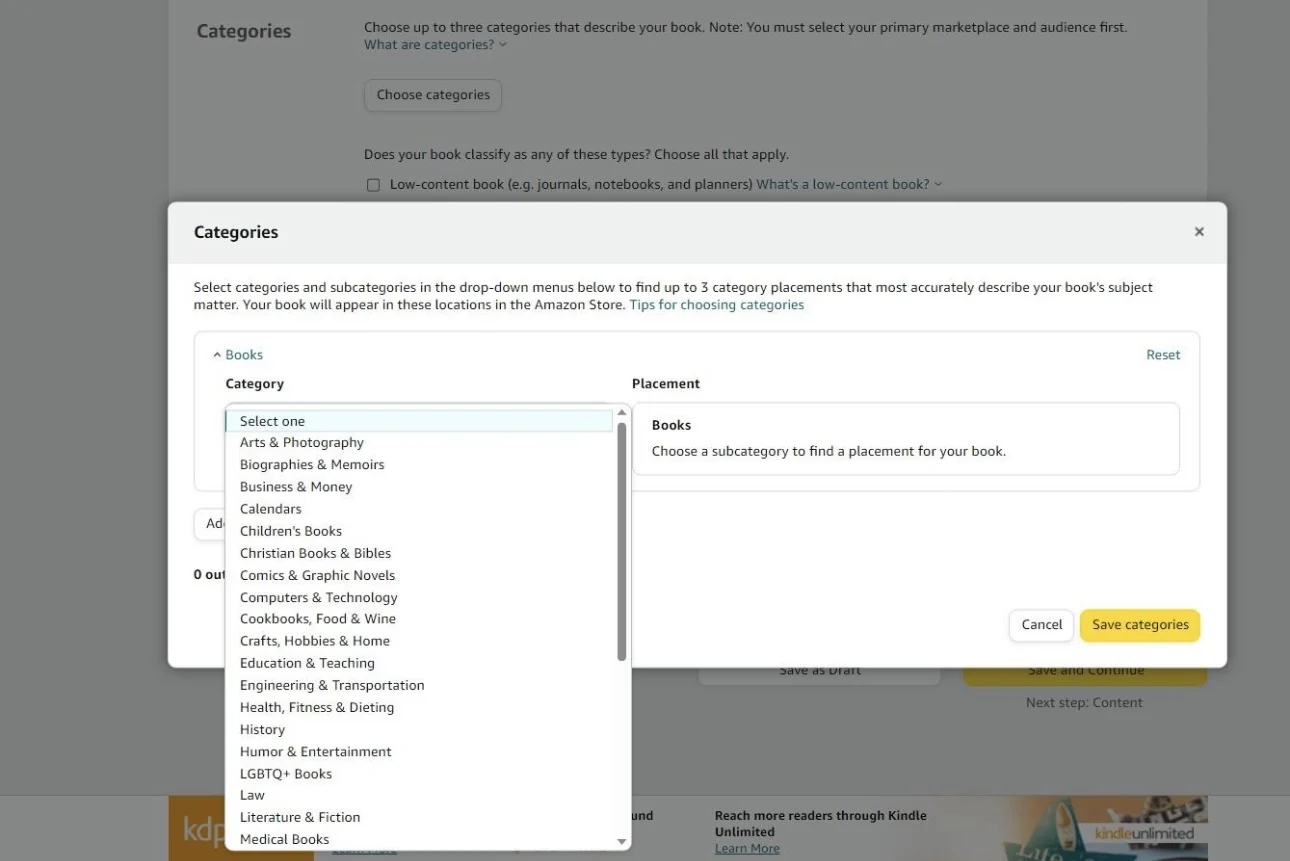
Amazon capped self-publishers at three new titles a day back in September 2023, a rule the Authors Guild helped shape to slow mass AI uploads. Through 2026, enforcement tightened further. Amazon's systems scan writing patterns, metadata, and upload speed, and repeat offenders who hide AI use now face account-level restrictions, not just a single book pulled. Read the policy correctly and it works in your favor: Amazon is separating anonymous machine output from real authorship, which is exactly the line your credibility depends on. If you understand how to disclose AI use under KDP's 2026 rules, disclosure becomes a non-event. The authors in trouble are the ones passing off a model's work as their own, and publishing an AI-assisted book compliantly has nothing to do with hiding anything. A policy that removes the fakers thins the competition.
It treats your input as the source, so what you disclose is that an author used a tool, not that a tool replaced the author.
4. Why proven expertise is the only moat left
A machine can write fluent sentences about leadership. It cannot have run a company through a layoff, closed a $2M coaching contract, or watched a specific client double revenue in eleven months. That gap is now the entire value of a business book. The market flipped the scarcity. Writing is abundant. Proof is rare. A book that names real situations, real numbers, and a method the author actually used reads as authority, and it holds up when a skeptical reader goes looking for the human behind it.
- Source material: a public prompt anyone can reuse vs. your interviews, frameworks, and client results.
- Reader trust signal: drops on suspicion of AI vs. holds under scrutiny.
- Discoverability: buried in a 3.5M-title flood vs. anchored to the kind of author credibility that drives revenue.
- Disclosure exposure: high risk with hidden AI vs. low, since the author simply used a tool.
- Business outcome: impressions and few leads vs. calls, clients, and speaking gigs, the same funnel we map in how a book gets you consulting clients.
It turns the one thing a model cannot fake, your track record, into the spine of the book. Then it helps you get found in the right KDP categories and keywords, scored with the book description scorer before you publish.
The AI book flood did not devalue books. It devalued generic ones, and it made proven expertise the scarcest ingredient on Amazon. Three and a half million titles compete on volume. A handful compete on trust, and trust is the only variable that turns a reader into a client.
Final thoughts
For the coach or founder sitting on a decade of results, the flood is not competition. It is contrast. Entrepreneurs who've already turned their books into real business results got there by publishing proof, not more prompts.
A book built from what you actually know, using a tool like Wren by Built&Written to shape it, is now the clearest way to stand apart from four million titles that prove nothing. If you're just getting started, our guide to self-publishing as an entrepreneur in 2026 is the next step.
Frequently asked questions
Self-published authors issued more than 3.5 million ISBN-registered titles in 2025, up 38.7% year over year, according to selfpublishing.com's Publishing by the Numbers 2026 report. Self-published titles now outnumber traditionally published ones by more than five to one.
Yes. In a YouGov survey of 1,000 Americans in August 2025, 61% said they would feel somewhat or much less fulfilled once they learned a book was AI-generated, and 56% want any AI involvement disclosed. Among business and self-help readers, 43% felt much less fulfilled.
It can when the AI use is hidden. A University of Tokyo study published in October 2025, covering 261 participants, found that disclosing AI authorship significantly lowered how competent and trustworthy readers judged the writer. A book built from your own expertise, with AI used only to shape it, avoids that penalty.
Amazon requires disclosure of AI-generated content, though not routine AI-assisted editing. Through 2026, enforcement tightened: Amazon scans writing patterns, metadata, and upload speed, caps accounts at three new titles a day, and now applies account-level restrictions to repeat offenders who hide AI use.
Yes, for founders, coaches, and consultants using it as an authority and lead-generation asset. In a market of 4.1 million registered US titles, a book grounded in real client results and a proven method still stands out. Worth testing which AI tools can actually ship one before you commit months to a ghostwriter.
First-hand, verifiable expertise. A machine can write fluent sentences, but it cannot have lived your specific results, numbers, and client stories. That proof is now the scarcest ingredient on Amazon and the strongest signal of trust to a skeptical reader.
Sources & References
About the author

Khrystyna Balushka
More in Self-Publishing
Ready to write your book?
Turn your expertise into a professional book with Built&Written.