

Book Editing Services: Types, Real Rates, and When You Need Which
Key takeaways
- "Book editing" isn't one service, it's four: developmental, line, copy, and proofreading, each with its own job and price.
- Per-word rates run from about $0.014 for proofreading to $0.07 for developmental editing, per the Editorial Freelancers Association's 2026 rate survey and Reedsy's 2026 marketplace data.
- A single pass on an 80,000-word book can cost $1,120 to $5,600, and most books need two or three passes, not all four.
- Wren, Built&Written's AI book-writing platform, turns your notes, calls, and LinkedIn posts into a structured, voice-matched draft first: the manuscript an editor needs before any of the four passes above can start.
Book editing is expensive, and it isn't one service. Developmental, line, copy, and proofreading each fix a different problem at a different price, and a single pass on an 80,000-word manuscript runs $1,120 to $5,600. But sometimes editing isn't the first problem. Most people who search for a book editor don't have a manuscript to send one yet, just notes, calls, and years of material sitting in a Google Doc.
About Built&Written: Built&Written sells no editing services, so there's no reason on this page to inflate what one costs or talk anyone out of hiring one. What it builds instead is the manuscript that comes before the editor: founders, entrepreneurs, and consultants use Wren to turn notes, calls, and LinkedIn posts into a structured, voice-matched draft. Current plans are here if that's the number you're weighing against an editor's invoice.
1. The Four Types of Book Editing, and What Each One Fixes
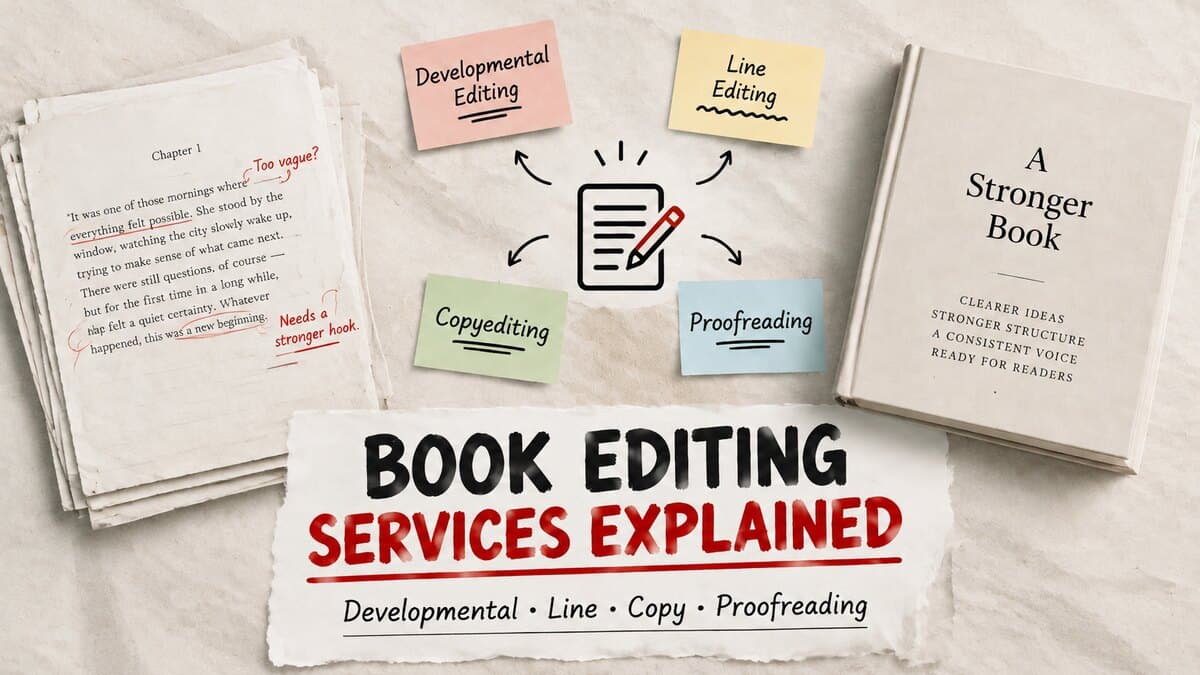
"Book editing" is actually four different jobs, usually handled in this order:
- Developmental editing fixes structure and argument: whether the book still delivers on its title. It's the most expensive pass, and the most likely to send you back to rewrite chapters.
- Line editing fixes sentence rhythm and voice consistency, so you sound like you on page 200, not just chapter 1.
- Copyediting is mechanical: grammar, punctuation, consistent style, plus flagging factual inconsistencies without rewriting your prose.
- Proofreading is the last pass, catching typos every earlier round missed. A ghostwriter does a different job entirely: writing the book, not editing one you've already written.
- Before you pay for any of the four: do you have a finished manuscript, or notes, calls, and ideas that haven't become one yet? That's not an editing question. It's the one a manuscript-builder like Wren answers first.

2. What Book Editing Actually Costs in 2026
Two current datasets, the EFA's 2026 rate survey and Reedsy's 2026 marketplace data, show rates climbing with how technical the material is: a memoir edits cheaper than a data-heavy business book. Most nonfiction authors don't need all four passes, and hiring only the ones you need from an independent editor costs far less than a full-service ghostwriting agency's $30,000-plus bundle.
| Editing pass | What it fixes | Rate per word (2026) | Cost on an 80,000-word manuscript |
| Developmental editing | Structure, argument, chapter order, what to cut | $0.03 to $0.07 | $2,400 to $5,600 |
| Line editing | Sentence rhythm, voice consistency, repetition | $0.03 to $0.06 | $2,400 to $4,800 |
| Copyediting | Grammar, style-guide consistency, factual flags | $0.02 to $0.03 | $1,600 to $2,400 |
| Proofreading | Typos and formatting slips, the final pass | $0.014 to $0.02 | $1,120 to $1,600 |
Rates from the Editorial Freelancers Association's 2026 rate survey and Reedsy's 2026 marketplace data, verified live in September 2026.
3. How Long Each Pass Takes, and How to Brief an Editor
Working time runs from about a week for proofreading up to three to six weeks for developmental editing on a 60,000 to 80,000-word manuscript. Booking a good editor at all is usually the bigger delay, often weeks or months out. A sharp brief (the manuscript's real stage, who it's for, a comparable title, your actual uncertainties) plus a paid 5-to-10-page sample edit shortens both clocks. Once copyediting clears, formatting for KDP is the next cost most authors underestimate.
4. Your Editor Shouldn't Have to Build Your Book for You
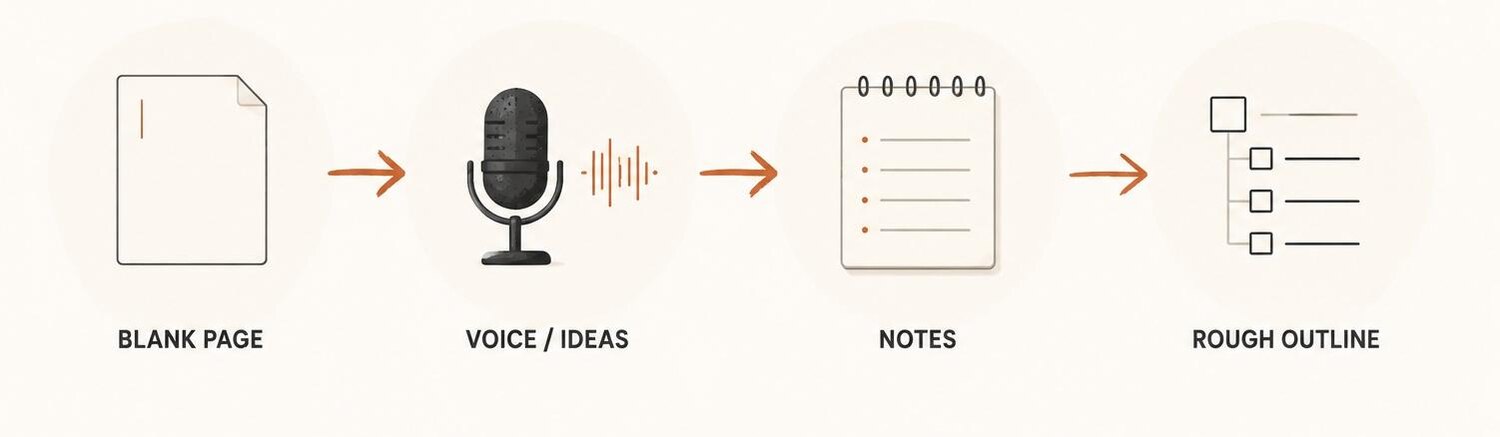
Here's what most articles about book editing skip: most people who search for one don't have a finished manuscript to send an editor at all. They have notes. They have calls. They have years of experience, maybe two hundred LinkedIn posts. What they don't have is a manuscript. That's not an editing problem. It's the problem a manuscript-builder solves, before an editor ever opens the file. In a test of seven AI book-writing tools, Wren was the only one that shipped a finished, KDP-ready manuscript from exactly this kind of raw material.
5. What Changes Once Wren Builds the First Draft
This isn't a claim that AI makes the structural and line-level calls an editor makes. It's a claim about what an editor opens when they start:
- Voice DNA keeps your voice consistent chapter to chapter: the exact drift a line editor charges $2,400 to $4,800 to catch.
- The outline builder settles chapter order before you write a word: the same question a developmental editor charges $2,400 to $5,600 to untangle.
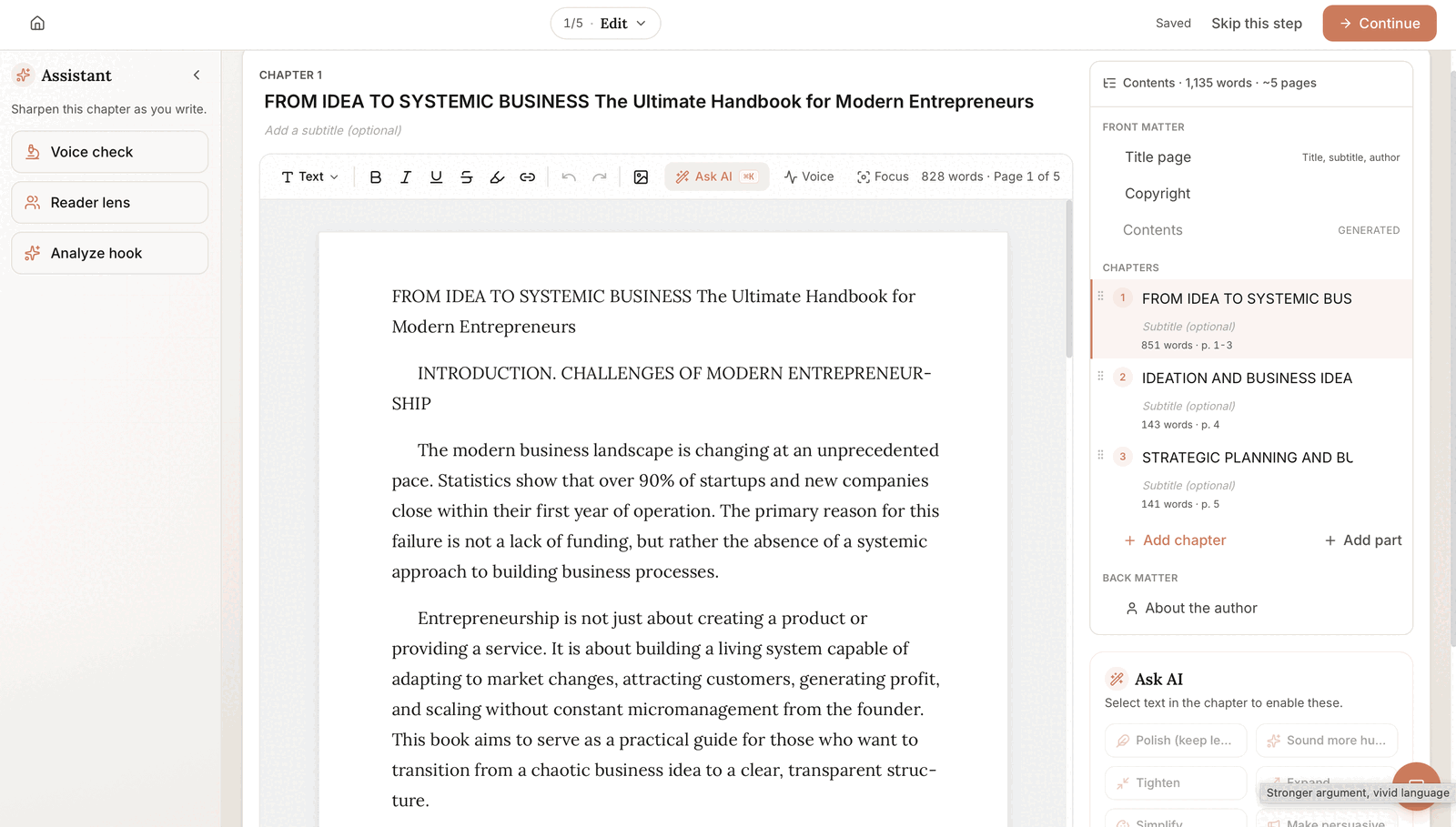
- The chapter editor's AI assistant panel (Polish, Tighten, Expand, Simplify, Sound more human, Make persuasive) catches real copyediting-level fixes before a human ever opens the file.
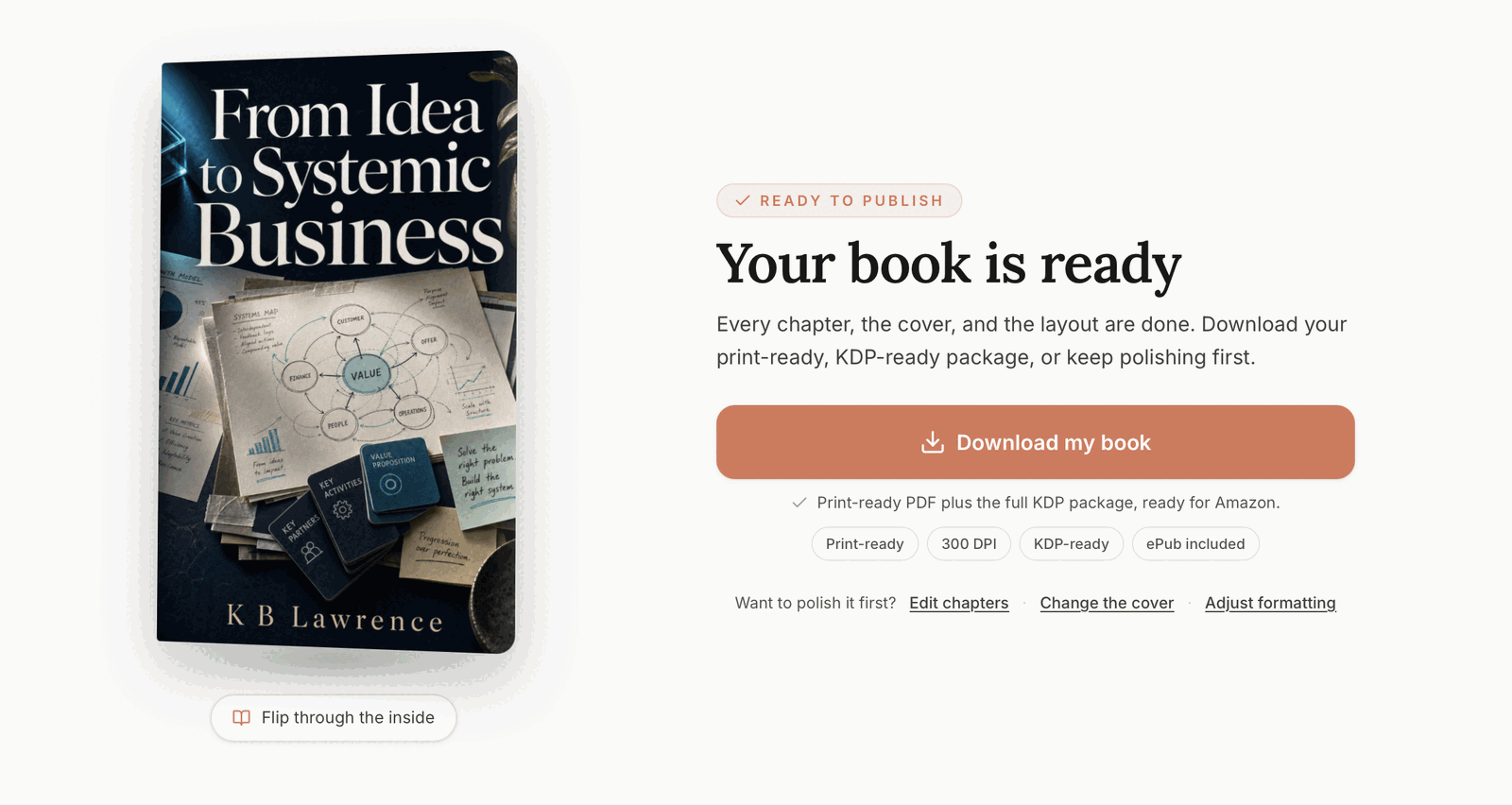
- The export is already KDP-ready, interior and cover both, so formatting never becomes a second invoice.
- One Built&Written member, Ujjwal Majumder, uploaded his own notes into Built&Written instead of typing from a blank page and published the result, Nara-Simha: What The Forest Never Forgot About Being Human, on Amazon KDP as a Kindle eBook and a paperback. Built&Written holds a 3.9-out-of-5 rating on Trustpilot.
- Take the developmental and line-editing numbers from the table above off a manuscript that already has structure and a consistent voice, and what's left for an editor to fix is real, just smaller. That's the whole case.
Four jobs get sold as "book editing": developmental, line, copy, and proofreading, each with its own price and reason to exist. Get the ones you need, not all four, and start them with the strongest draft you can, since that's what decides how much any of them cost.
Final thoughts
Every book that ships still clears copyediting and proofreading at minimum, and an editor still makes the structural and line-level calls a tool can't. What changes is how much of that work is left when they start: a consistent voice and a settled chapter order aren't things a $2,400 line edit or a $5,600 developmental pass needs to fix if they're already done.
The real gap for most people isn't a bad editor, or even a bad manuscript. It's no manuscript yet: the notes, the calls, the LinkedIn posts that never became pages. That's where a book actually starts, and where deciding whether it's worth writing at all comes before either question.
Frequently asked questions
How much does it cost to have a book edited?
A single editing pass on an 80,000-word manuscript runs $1,120 to $5,600 depending on the type. Proofreading is cheapest; developmental editing is priced highest because it demands the most editorial judgment.
What's the difference between line editing and copyediting?
Line editing works on sentence-level flow, voice, and repetition. Copyediting is mechanical: grammar, punctuation, and style-guide rules. Reedsy and many marketplaces don't draw a hard line between the two and price them together.
Do I need developmental editing for a business book?
Only if the structure genuinely needs rescuing. A clear order and argument usually means a line edit and copyedit are enough, and skipping an unneeded developmental pass can save $2,000 to $5,000.
Can AI replace a book editor?
Not for the calls an editor actually makes: whether an argument holds together, whether a voice sounds authentic. What AI tools do well is the draft that comes before that judgment. The stronger that draft, the less of an editor's time it takes to review it.
Does Built&Written offer editing services?
No, and that's deliberate: it means the numbers on this page are real market rates, not a pitch. What Built&Written builds instead, through Wren, is the structured, voice-matched draft an editor starts from.
Frequently asked questions
A single editing pass on an 80,000-word manuscript runs $1,120 to $5,600 depending on the type. Proofreading is cheapest; developmental editing is priced highest because it demands the most editorial judgment.
Line editing works on sentence-level flow, voice, and repetition. Copyediting is mechanical: grammar, punctuation, and style-guide rules. Reedsy and many marketplaces don't draw a hard line between the two and price them together.
Only if the structure genuinely needs rescuing. A clear order and argument usually means a line edit and copyedit are enough, and skipping an unneeded developmental pass can save $2,000 to $5,000.
Not for the calls an editor actually makes: whether an argument holds together, whether a voice sounds authentic. What AI tools do well is the draft that comes before that judgment. The stronger that draft, the less of an editor's time it takes to review it.
No, and that's deliberate: it means the numbers on this page are real market rates, not a pitch. What Built&Written builds instead, through Wren, is the structured, voice-matched draft an editor starts from.
Sources & References
About the author

Khrystyna Balushka
More in Self-Publishing
Ready to write your book?
Turn your expertise into a professional book with Built&Written.