

How to Use ChatGPT to Sell Your Book on Amazon
- Testing your own book against ChatGPT takes two minutes: ask it to recommend a book on your topic and see whether your name comes up. (Similarweb, 2026)
- Brand mentions across the open web predict AI-answer visibility three times better than backlinks: 0.664 versus 0.218, which is why outreach beats another keyword edit. (Ahrefs, 75,000-brand study, 2025)
- 82% of what AI models cite is earned media, reviews, interviews, press, not a company's own site, so that's what to ask ChatGPT to help you draft. (Muck Rack, 2025)
- Wren already builds books around real, sourced claims by default, the same trait ChatGPT rewards when it rewrites your Amazon description or recommends your book to someone else.
Priya Nair's book on value-based pricing for consultants was two years old, ranked respectably on Amazon, and had 40 reviews. Sales had still gone flat. Instead of paying for more ads, she opened ChatGPT and used it three specific ways. She checked how AI search already describes her book, rewrote her Amazon listing, and drafted the outreach that gets a book talked about somewhere other than its own product page. Here's exactly what she typed into ChatGPT, in order, and why each step moved actual Amazon sales, not just her ranking in a chat window.
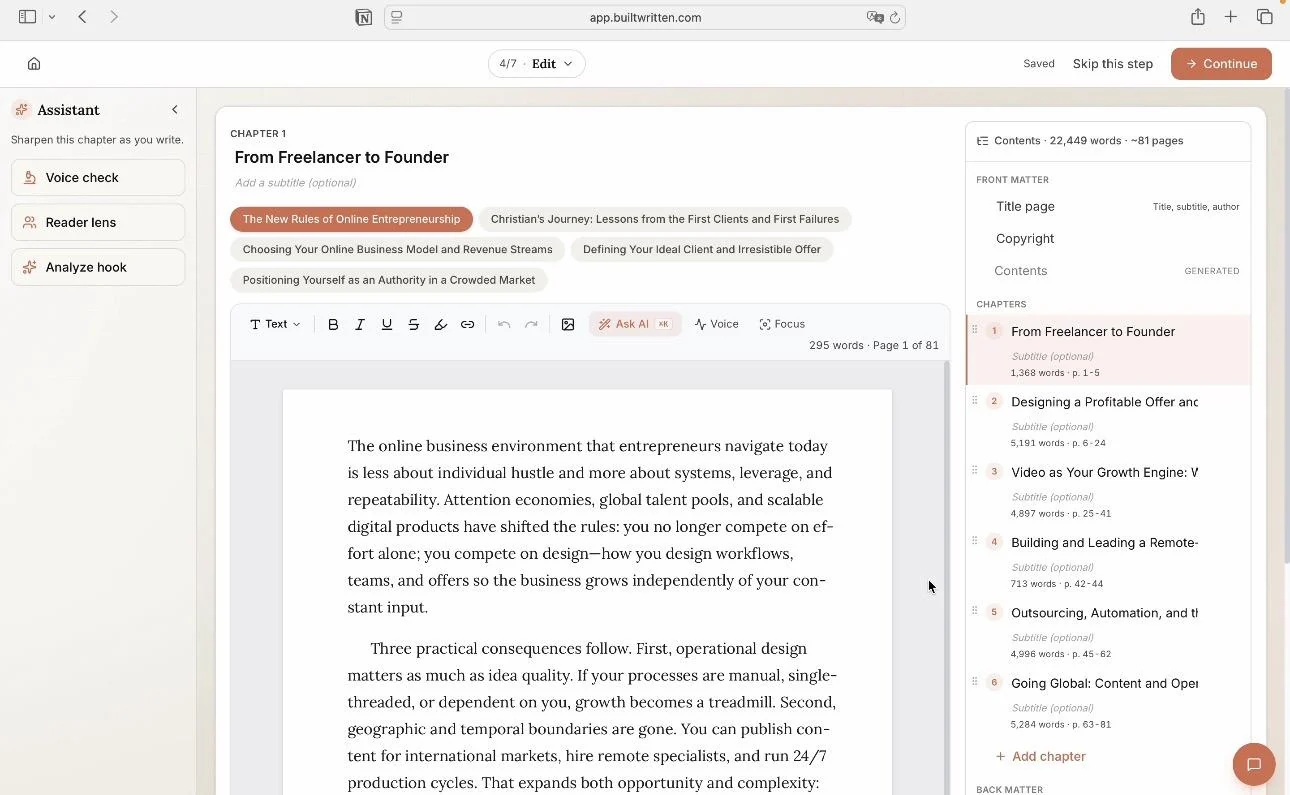
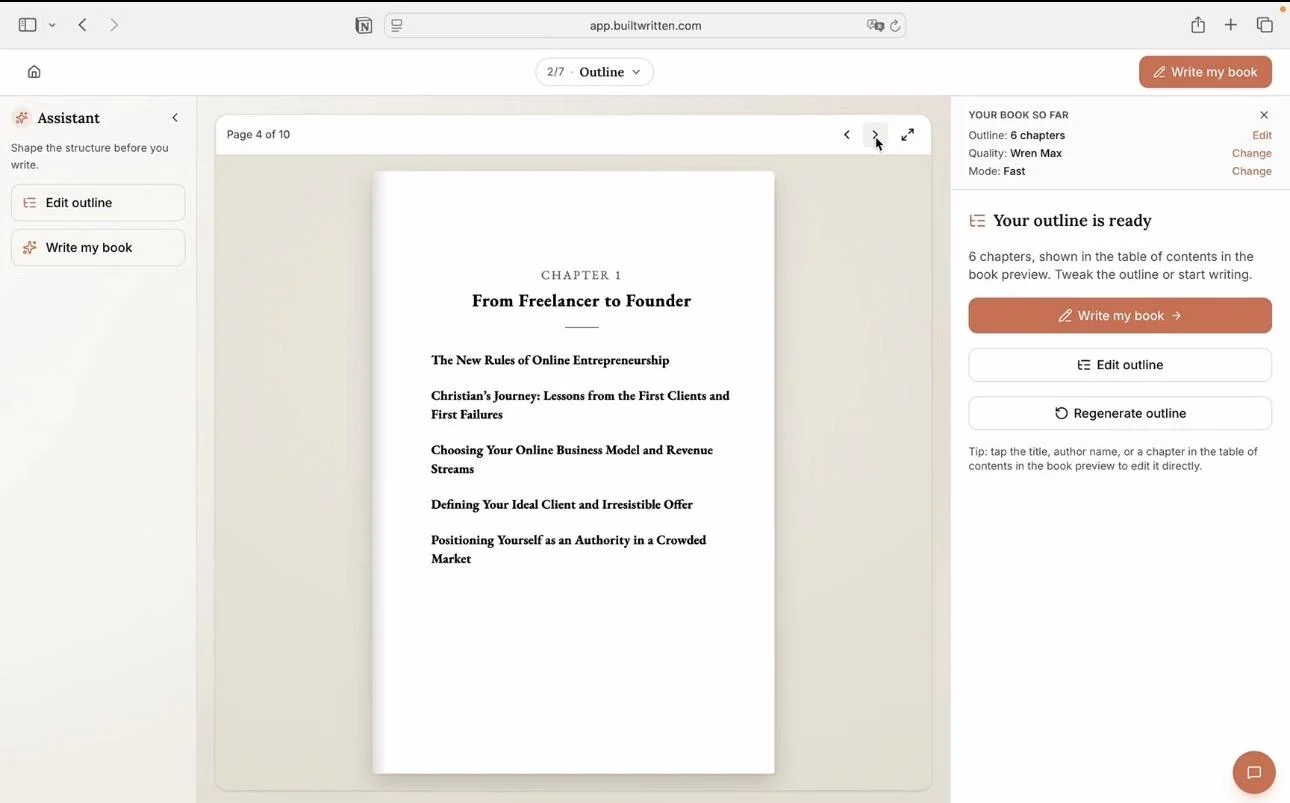
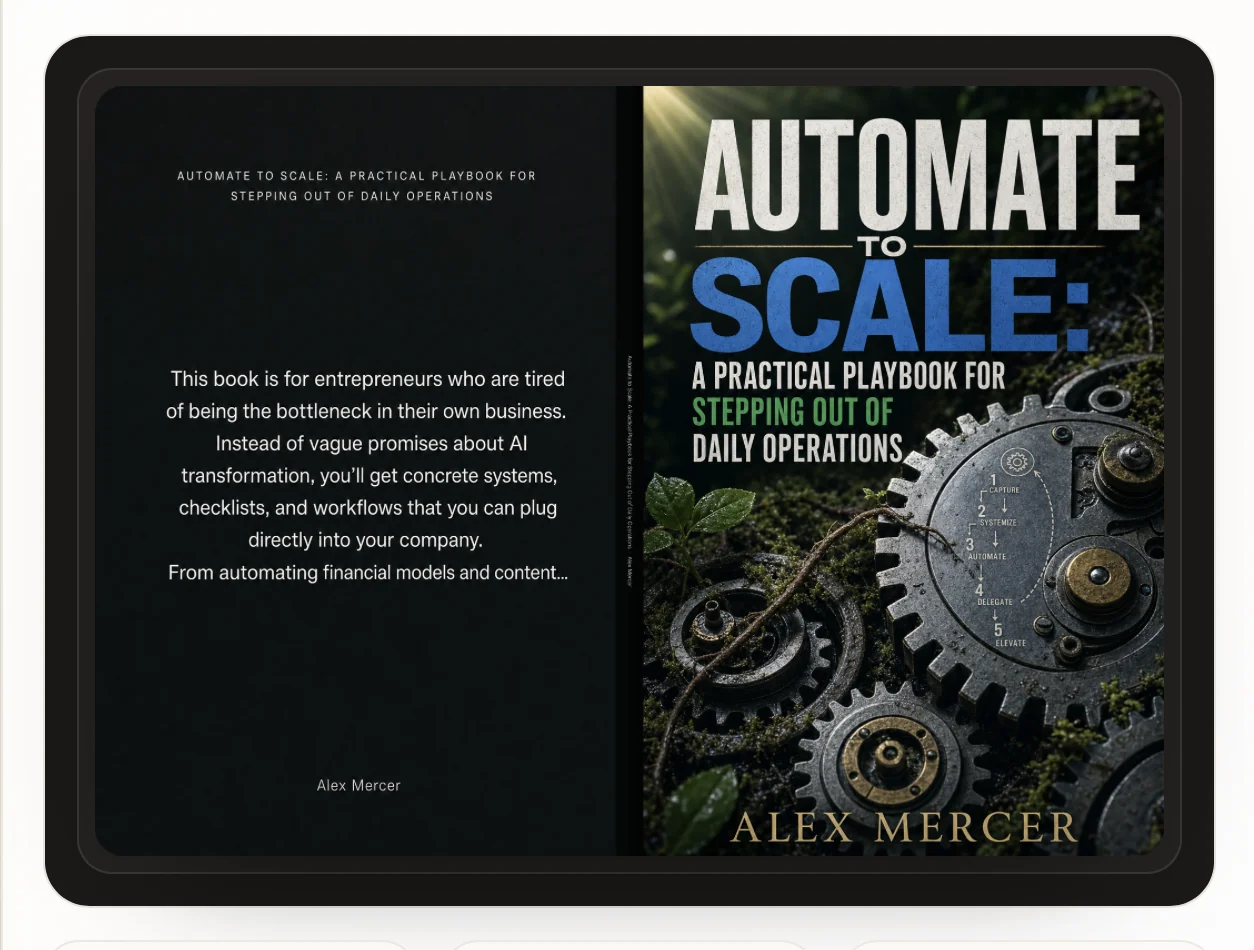
Wren is an AI book-writing platform for founders and coaches who want a finished, sellable business book without a six-month draft grind. Its Assistant runs a voice check, a proof check, and a hook check on every chapter, then formats the manuscript and designs the cover so the file is Amazon KDP-ready on export. Hundreds of founders have already published with Wren. Their books are why we started testing ChatGPT prompts like Priya's: a book now has to earn a place in a ChatGPT answer, not just an Amazon rank, to sell at the pace it used to.
Step 1: Ask ChatGPT how it already describes your book
Open ChatGPT and ask it directly: "What's the best book on [your topic] for [your audience]?" That's the exact prompt Priya used. It named three titles, two of them a decade old. Neither was hers. Perplexity gave a near-identical answer. This matters because Amazon's own category and keyword system, covered in KDP Categories and Keywords: Get Found, only decides rank inside Amazon's search box. ChatGPT never looks at it. Ahrefs' 75,000-brand study found that brand mentions across the open web predict whether an AI model recommends you three times better than backlinks do: 0.664 versus 0.218.
A book's Amazon rank and its ChatGPT visibility are two separate jobs now. Wren can't fix the first, but every book it produces is already built for the second: a real voice and real, sourced claims, checked chapter by chapter, so there's something worth recommending once the rest of this list is done.
Step 2: Use ChatGPT to rewrite your Amazon listing
Paste your current Amazon description into ChatGPT and ask it directly: "Rewrite this for Amazon KDP. Keep it under 400 words and lead with the single biggest result a reader gets. Replace any vague claim with one specific, real number or client outcome." That last part is the one people skip, and it's the one that counts. Princeton, Georgia Tech, and IIT Delhi researchers found a real statistic raised a page's odds of being cited by an AI model by up to 41%, and an outside source raised it by 115%. The metadata work behind How to Write a Book Description for Amazon That Sells and the positioning behind Craft a Positioning Statement in 5 Hours both feed straight into this one prompt.
A founder doesn't need to think about any of this while writing the book itself. Wren's Assistant panel runs a proof check on every chapter and flags any claim your notes don't back up, the same standard behind Can You Use Client Stories in Your Coaching Book?, so the specific number ChatGPT needs for your Amazon listing already exists in the manuscript.
Step 3: Use ChatGPT to draft the outreach Amazon can't see
A Muck Rack analysis found 82% of what AI models cite is earned media: reviews, interviews, guest posts, and press, not a company's own site. Ask ChatGPT: "Draft a two-paragraph pitch email for a podcast host in [your niche], introducing my book and one specific insight from it, and ask for a 20-minute guest slot." Send that to three shows instead of zero. Do the same for a review request to past clients, aimed at Goodreads as well as Amazon, the pattern behind How to Get Book Reviews on Amazon and Author Credibility in Business That Drives Revenue. Priya sent three pitches and asked ten past clients for a Goodreads review. Six weeks later, the same ChatGPT prompt named her book second, and her Amazon sales that month were her best since launch.
Priya didn't rewrite a single chapter for any of this, because the book she wrote on Wren already had the voice and proof an AI model rewards. She just matched her author bio across her website, Amazon, and Goodreads, the consistency covered in Building a Personal Brand Around Your Book. Wren gets a founder to that chapter first, formatted and KDP-ready, so the outreach has something worth citing and something worth buying.
Amazon's keyword picker still decides your rank inside Amazon. ChatGPT decides something else: whether you get recommended at all. Three prompts, run once, tell you where you stand and start closing the gap.
Final thoughts
A founder can spend a year polishing an Amazon listing and still lose to an older book with more press behind it, because ChatGPT and Amazon's own search reward different things. Priya's sales didn't move because she wrote more. They moved because she asked ChatGPT three specific questions and acted on the answers.
Hundreds of founders and coaches have already published with Wren. Their books are turning up in the same kind of ChatGPT answer Priya tested, not because they chased a ranking trick, but because Wren's Assistant checked every chapter for a real voice and a sourced claim before it ever shipped. That's the case we make in Why Entrepreneurs Should Write a Book Now, and it's why their readers and clients are starting to find them, and buy from them, through ChatGPT instead of an ad.
Frequently asked questions
Ask it plainly: 'What's the best book on [your topic] for [your audience]?' Run the same prompt in Perplexity. If your book doesn't come up in either, that's your starting point, not a sign the book is bad.
No. They still control your rank inside Amazon's own search box, where plenty of readers still buy. They just don't influence whether ChatGPT mentions your book, since it reads the open web instead.
There's no fixed timeline. AI models update their web index on their own schedule, so a new podcast mention or review can take a few weeks to a few months to surface in an answer.
No, the two are unrelated. What determines whether ChatGPT recommends a book is what the rest of the web says about it and whether its claims are specific enough to repeat, not whether AI helped write the first draft. See How AI Helps Entrepreneurs Write Books Without Losing Their Voice for the writing side.
Sources & References
About the author

Mykhailo Druz
More in Book Marketing
Ready to write your book?
Turn your expertise into a professional book with Built&Written.