

Is It Possible to Write a Psychology Book Using AI?
Yes, psychologists and therapists can use AI to help write a psychology book. It can organize research, develop a chapter outline, turn existing educational materials into drafts, and assist with editing.
A practitioner may have years of teaching materials, published articles, or workshop notes without knowing how to turn them into a book. AI can help bring those materials together and develop a manuscript that reflects the author's expertise.
Can AI actually help you write a psychology book?
AI can support several stages of book writing, although its usefulness depends on the type of psychology book you're creating.
A psychologist writing a general-audience book about stress, relationships, or emotional regulation has different requirements from a researcher preparing an academic textbook or a clinician producing a treatment manual.
For popular psychology and educational nonfiction, AI can help turn existing material into accessible explanations, suggest chapter structures, improve transitions, and identify gaps in the manuscript.
More specialized publications may require additional research, precise terminology, and independent academic or clinical review.
For a psychologist or therapist, the most valuable material is often already there: years of clinical experience, research, teaching, and ideas developed through practice. AI can make that material easier to organize and develop into a manuscript.
Here's how the responsibilities typically divide:
| AI can help with | The author handles |
|---|---|
| Organizing notes and research | Selecting credible sources |
| Developing chapter outlines | Deciding what readers need to learn |
| Drafting explanations | Evaluating scientific accuracy |
| Simplifying technical language | Preserving important qualifications |
| Improving structure and flow | Approving the final manuscript |
This approach works particularly well for practitioners who regularly explain complex psychological concepts to clients, students, or workshop participants and want to reach a wider audience.
How to write a psychology book with AI step by step
Writing a psychology book becomes easier when you start with a specific audience, a clear subject, and material you've already developed through professional work.
The following six steps provide a practical way to move from an initial idea to a complete manuscript.
1. Define your audience and the problem your book addresses
Start by deciding who will read your book and what they should understand after finishing it.
A book about managing everyday stress will look different depending on whether it's intended for general readers, counseling students, or practicing therapists.
Consider the questions people regularly ask you during workshops, lectures, or educational sessions. These can reveal subjects that would benefit from a book-length explanation.
AI can help generate possible chapter topics and compare different approaches to organizing them. You'll need to choose a direction that reflects your expertise and the reader's needs.
2. Gather your existing knowledge and research
Collect the materials that already support your ideas. These might include published research papers, lecture notes, educational handouts, presentations, and original professional frameworks.
Organize them by topic and identify which sources support your central arguments.
Keep research findings separate from personal observations and professional interpretations. This will make it easier to develop accurate explanations when drafting.
For a more detailed approach to preparing source material, see our guide to writing a nonfiction book with AI without making up facts.
3. Build a chapter outline before writing
Once you've selected your material, decide how readers should progress through the subject.
For example, a book about emotional regulation might introduce the underlying psychological concepts before moving into common difficulties, research-supported approaches, and practical applications.
Give AI your intended audience, central argument, and source material. Ask it to propose a chapter structure with a clear purpose for each section.
Review the result for gaps, overlapping topics, and unnecessary complexity.
Built&Written's AI Nonfiction Book Writer can help develop an editable outline from your existing material, giving you a structure to refine before drafting.
4. Draft chapters using your source material
Work through the manuscript one chapter at a time.
Provide AI with the relevant notes, approved research, and instructions about the intended reader. Be specific about which concepts to explain and which examples or frameworks should appear.
For technical subjects, consider drafting shorter sections that can be reviewed individually.
Read each chapter for clarity, relevance, and consistency with your intended argument. Add details from your professional experience where they improve the explanation, while observing confidentiality requirements.
5. Review the manuscript's structure and consistency
After completing the initial draft, read the chapters in sequence.
Check whether concepts are introduced before they're discussed in depth, whether explanations build on previous chapters, and whether important ideas receive enough attention.
Look for unnecessary repetition. AI-generated chapters can return to the same concepts several times, especially when drafted separately.
You may also find sections where your original ideas have been reduced to broad statements. Restore the specific explanations, distinctions, and examples that make your expertise useful.
Our experiment with writing a complete book using AI illustrates how much structural editing and refinement may remain after an AI-generated manuscript is complete.
6. Prepare the manuscript for professional review
Once the structure and writing are satisfactory, prepare the manuscript for a separate accuracy and ethics review.
Identify chapters containing treatment discussions, diagnostic terminology, practical exercises, or claims about psychological research.
These sections deserve particular attention because readers may use their content to understand personal experiences or make decisions about seeking support.
Keep a record of the publications supporting substantial claims. This will make the fact-checking process more efficient and help with preparing the book's references.
What are the risks of using AI to write about psychology?
Psychology books often explain subjects readers apply to their own lives, relationships, and mental health. An inaccurate explanation of anxiety or an exaggerated claim about therapy can influence how someone understands their symptoms or approaches treatment.
For psychologists and therapists using AI to draft a book, several risks deserve particular attention.
Fabricated research and citations. AI can produce convincing references to studies that don't exist or misrepresent published findings. A 2025 study published in JMIR Mental Health examined 176 citations generated by GPT-4o for mental health literature reviews. Researchers found that 35 citations, or 19.9%, were fabricated. Many references to real publications also contained errors.
Oversimplified psychological concepts. Complex subjects such as trauma, attachment, and personality disorders can lose important qualifications when AI condenses them into accessible explanations. The resulting text may overlook individual differences or present debated theories as established facts.
Exaggerated treatment claims. An AI-generated chapter might suggest that cognitive behavioral therapy works for everyone experiencing anxiety. A psychologist would need to revise that statement to reflect the conditions, populations, and outcomes supported by research.
Bias and inappropriate generalizations. AI-generated explanations may overlook cultural differences, socioeconomic circumstances, and individual experiences. This becomes particularly concerning when descriptions of psychological behavior are presented as universally applicable.
Misleading professional authority. AI can write confidently about diagnosis, treatment, and psychological assessment without establishing whether its recommendations are appropriate. Readers may give such passages additional weight when the book carries a practitioner's professional credentials.
The potential consequences depend on the subject. A general explanation of workplace stress may require different safeguards from a chapter discussing symptoms of a psychiatric disorder or strategies for managing trauma.
Can you use client stories in an AI-assisted psychology book?
Real experiences from clinical practice can make a psychology book more relatable. A case example might help readers understand how anxiety develops, what happens during therapy, or why certain behavioral patterns are difficult to change.
However, using client experiences in a published book raises confidentiality concerns, especially when AI is involved in drafting.
The American Psychological Association's Ethics Code, under Standard 4.07, addresses the disclosure of confidential, personally identifiable information in writings and other public media. It permits disclosure under specified conditions, including reasonable steps to disguise the person, written consent, or legal authorization.
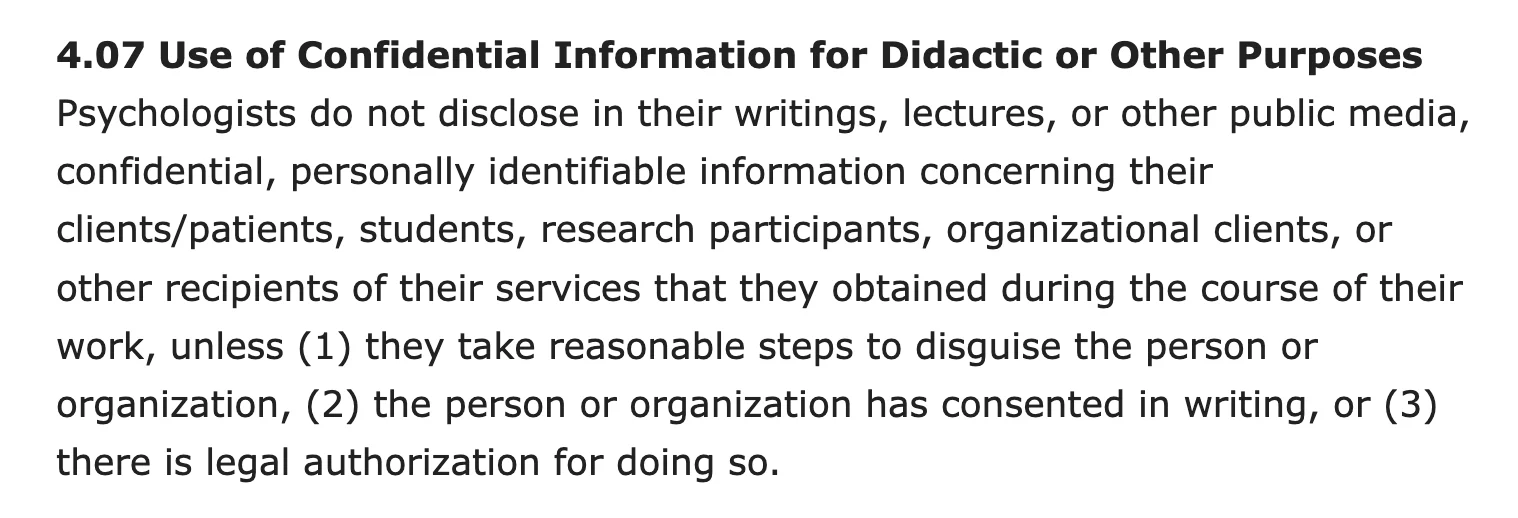
Changing a client's name may be insufficient. Their occupation, family circumstances, location, or a distinctive combination of experiences could still make them recognizable.
The same concern applies when preparing material for AI. Uploading therapy transcripts, session notes, or identifiable patient histories to a general-purpose AI service may expose confidential information, even when the material is intended only for drafting.
The U.S. Department of Health and Human Services' guidance on de-identification explains the considerations involved in removing identifying information from health records.
For general-audience books, hypothetical scenarios can often explain a psychological concept without drawing on an identifiable client's experience. Clearly label these examples so readers understand how they were developed.
Before including clinical material, review the applicable professional ethics rules, privacy laws, and consent requirements. These obligations may differ depending on your profession and jurisdiction.
How to fact-check an AI-written psychology manuscript
Fact-checking a psychology book involves establishing whether the research supports the explanations you've written.
Even references to genuine publications can contain inaccurate details or be used to support conclusions the original researchers never made.
A practical review process should cover five areas:
Check every research reference. Search for the original publication using PubMed, the journal's website, or another appropriate academic database. Confirm the authors, publication year, title, and DOI.
Compare claims with the original findings. A study identifying an association between stress and sleep problems, for example, may not establish that one directly causes the other. Check what the researchers measured and concluded.
Review psychological terminology. Make sure terms such as trauma, attachment, dissociation, and personality disorder are used accurately. Distinguish clinical definitions from everyday language.
Check the strength of the evidence. Consider study design, sample size, population, limitations, and whether subsequent research supports the findings. Avoid presenting preliminary results as established psychological knowledge.
Examine practical recommendations. Pay particular attention to exercises, descriptions of symptoms, and claims about treatment outcomes. Consider having another qualified professional review clinically sensitive passages.
Keep a record of the sources supporting each chapter. A spreadsheet with the claim, original publication, relevant finding, and verification status can make later revisions easier.
For example, suppose a chapter states that a particular stress-management exercise significantly reduces anxiety. Before retaining the claim, establish which study examined the exercise, who participated, what outcomes were measured, and whether the reported improvement was statistically and clinically meaningful.
If the available evidence supports a narrower conclusion, adjust the wording accordingly.
A practical example of turning psychology expertise into a book
Consider a psychology professional who has developed educational materials about stress management. Their resources include workshop presentations, research references, practical exercises, and explanations prepared for different audiences.
These materials provide the starting point for a general-audience psychology book.
The first task is to establish a narrower focus. Rather than covering every aspect of stress, the book might explain how stress affects everyday behavior and introduce evidence-informed strategies for recognizing and managing it.
A possible structure could include:
Chapter 1: Understanding the stress response. Explain relevant psychological and physiological concepts using established research.
Chapter 2: Recognizing personal stress patterns. Explore common triggers, behavioral responses, and individual differences.
Chapter 3: Evidence-informed coping strategies. Introduce approaches supported by appropriate research, with clear explanations of their limitations.
Chapter 4: Applying what you've learned. Provide reflection questions, exercises, and suggestions for seeking professional support when appropriate.
AI can help reorganize the existing workshop materials into this structure and prepare initial chapter drafts.
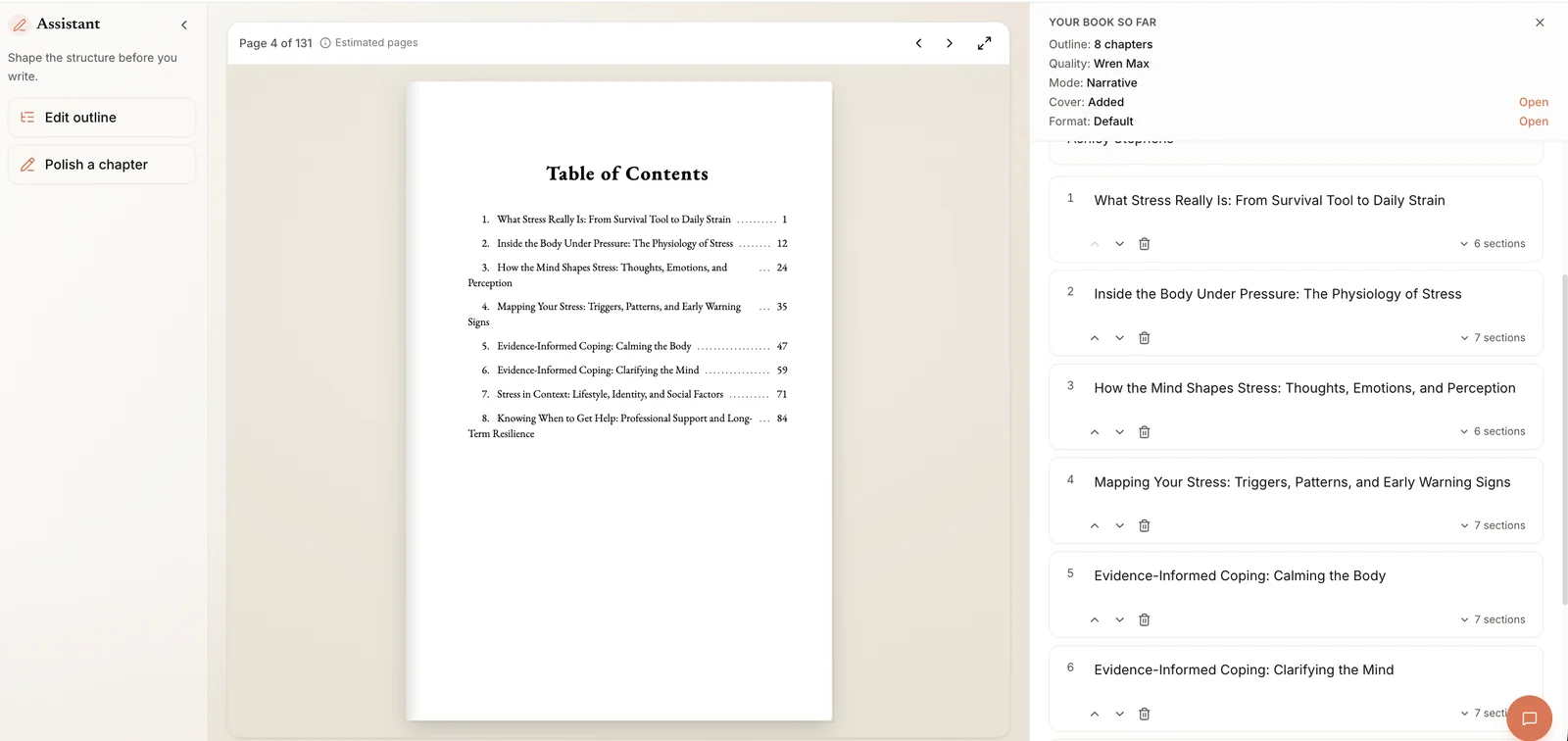
The author then expands the explanations, adapts exercises for the intended audience, and develops connections between chapters.
Some workshop activities may translate well into written exercises, while others might require additional instructions or examples to work without a facilitator.
The final result could be a practical book that makes years of educational work available to people who cannot attend the original workshops.
This is an illustrative scenario, but the process can apply to other subjects, including emotional regulation, communication, relationships, and workplace well-being.
How Built&Written can help turn your expertise into a book
Psychologists and therapists often have useful material spread across presentations, articles, teaching notes, and professional resources. Organizing everything into a manuscript can be difficult, particularly alongside a full clinical practice.
Built&Written's AI Book Generator helps nonfiction authors develop books from their existing knowledge.
You can paste text directly into the editor or upload supported document formats. Built&Written proposes a book structure from the supplied material, which you can review and adjust before developing individual chapters.
One useful feature for psychology professionals is Voice DNA. By providing a few pages of your own writing, approximately 300 to 1,000 words, you can help the AI preserve your established communication style across the manuscript.
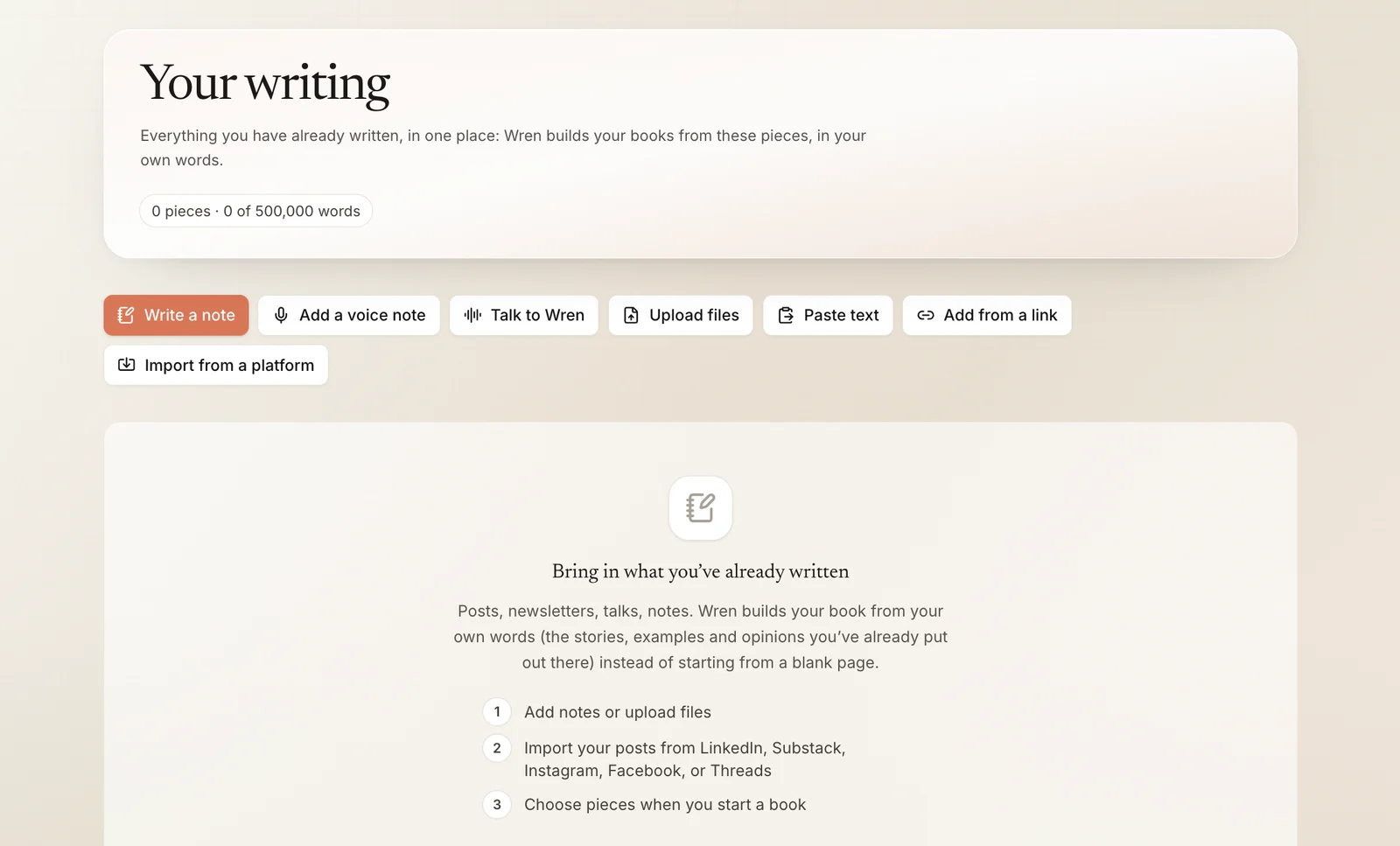
This is relevant if you've already developed a recognizable way of explaining psychological concepts through lectures, articles, or educational materials.
Built&Written also includes a manuscript editor, interior formatting tools, and book export options. Depending on the plan, authors can export print PDFs, EPUB files, and DOCX manuscripts, or download a KDP package for uploading to Amazon.
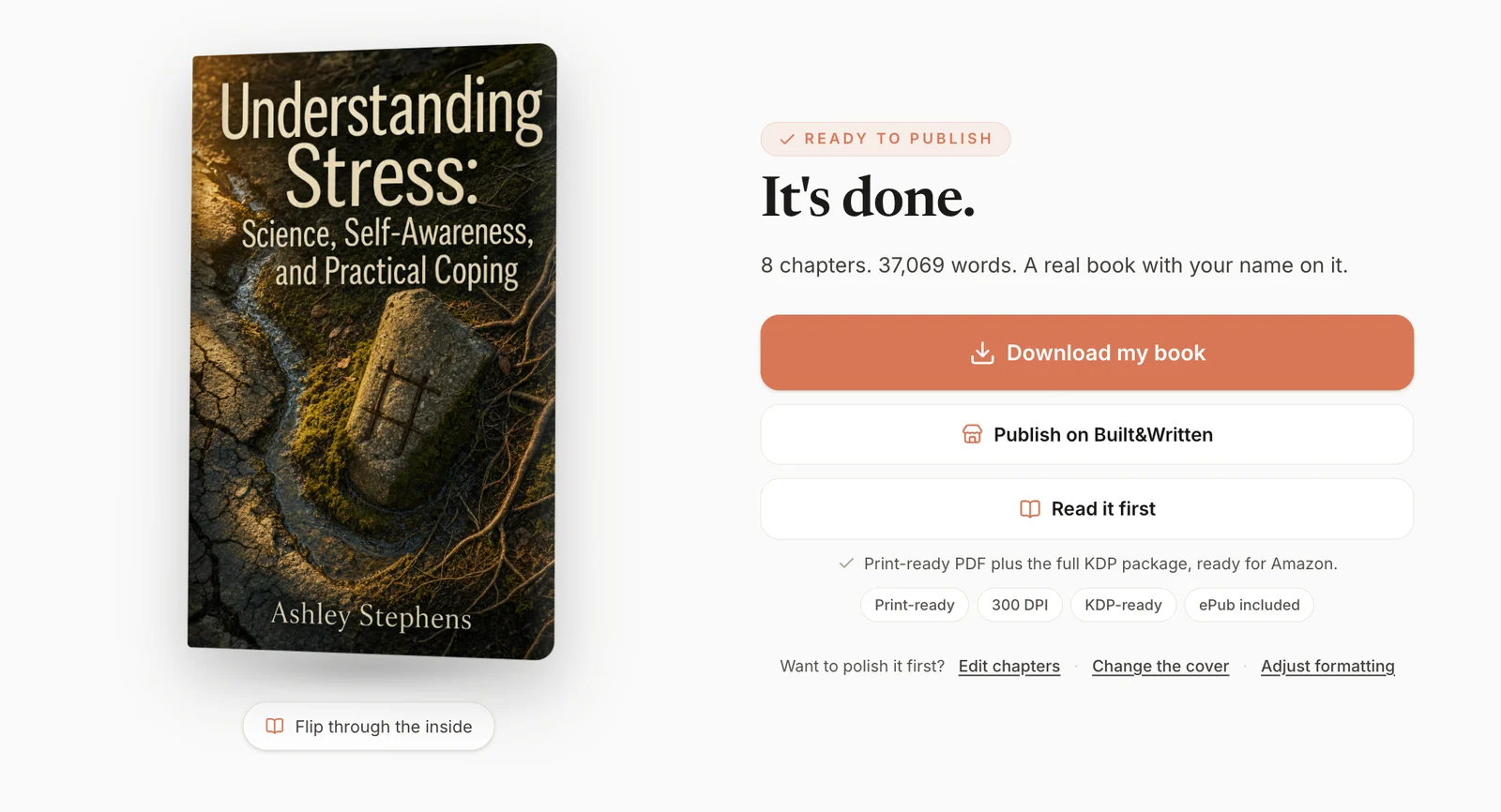
The platform can help with organization, drafting, and formatting while giving authors control over the content they develop.
Can you publish and sell an AI-assisted psychology book?
You can publish a psychology book developed with AI assistance through platforms such as Amazon Kindle Direct Publishing, provided the manuscript meets the platform's content requirements and applicable laws.
Amazon distinguishes between AI-generated and AI-assisted material in its KDP Content Guidelines.
If AI creates the actual text or images, Amazon requires disclosure during publishing, even when the author substantially edits the generated material afterward.
If you write the content yourself and use AI to improve, edit, or organize it, Amazon generally treats that as AI-assisted content, which doesn't require the same disclosure.
Authors remain responsible for intellectual property rights and compliance with publishing requirements.
Copyright is another consideration. The U.S. Copyright Office's guidance on artificial intelligence explains that the availability of copyright protection depends on human authorship. AI-assisted works may contain protectable human contributions, while material generated entirely by AI may not receive the same protection.
For authors interested in selling directly to readers, the Built&Written Marketplace offers another distribution option.
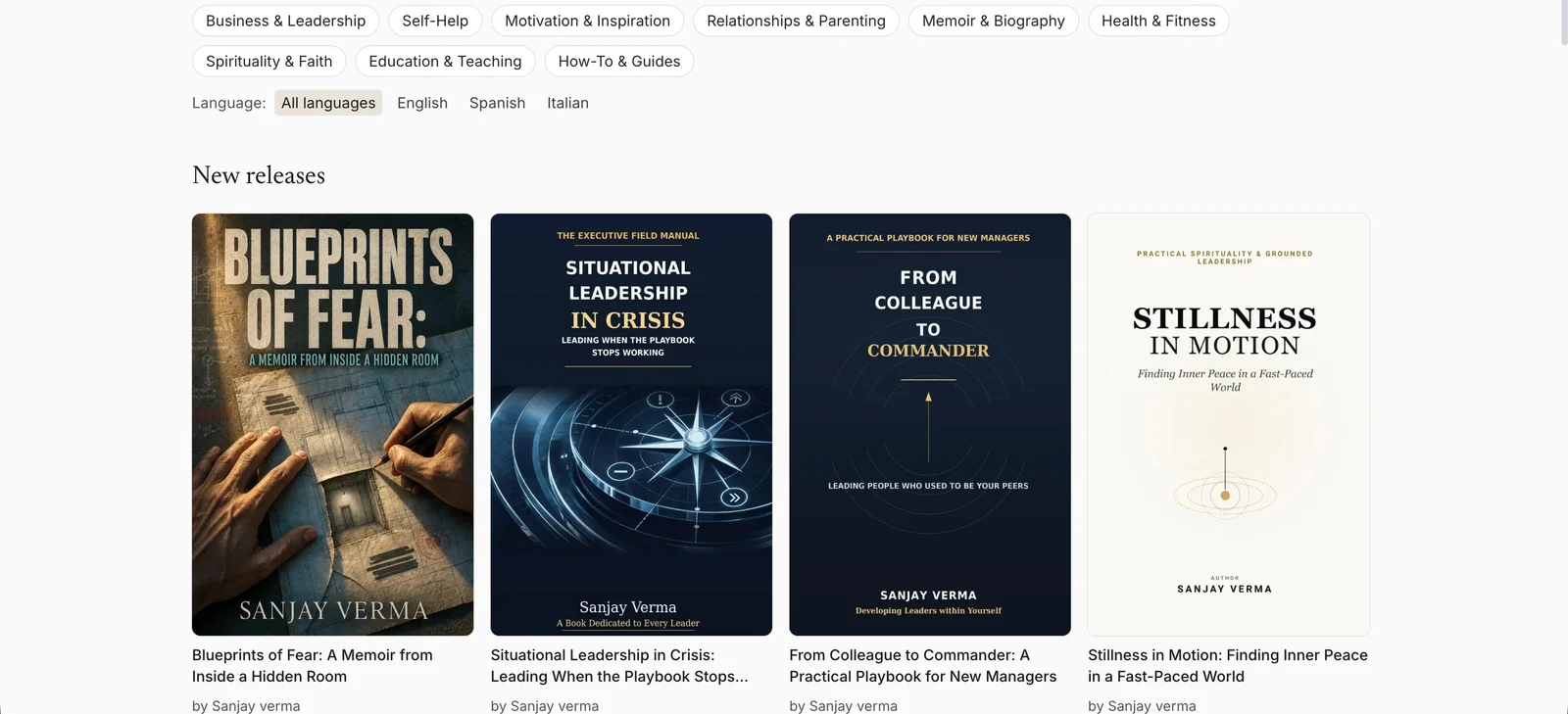
Authors can create a public profile and dedicated book pages with descriptions, covers, and reading samples. The Marketplace supports digital books in PDF and EPUB formats and provides promotional materials for sharing a book with an existing audience.
According to the Built&Written Seller Terms, Marketplace books cannot simultaneously be enrolled in KDP Select, Amazon's ebook exclusivity program.
For psychology professionals, a published book can make educational material available beyond individual consultations, classes, or workshops. It may also give prospective readers a clearer understanding of the author's professional interests and approach.
What to check before publishing your psychology book
Before submitting your manuscript, read it as someone encountering your work for the first time.
Use this final checklist:
Scientific accuracy: Are substantial claims supported by reliable research?
Professional ethics: Have you protected confidential information and represented clinical experiences responsibly?
Reader clarity: Can someone without a psychology background understand the concepts you're explaining?
Practical guidance: Do exercises include appropriate instructions, limitations, and cautions?
Originality: Does the book contain your explanations, professional perspective, and meaningful contributions?
Publishing requirements: Have you checked the relevant disclosure rules, copyright considerations, and file specifications?
Consider an independent subject-matter review, particularly for books discussing clinical conditions, treatments, or other advice readers may apply to their mental health.
Once the content is approved, a book formatting tool can help prepare the manuscript for publication. Our comparison of AI book formatting tools also examines practical formatting issues using a sample nonfiction manuscript.
Frequently asked questions
You don't necessarily need a psychology degree to write a general-audience book about psychological topics. However, your qualifications and the scope of your claims matter. Writers discussing clinical assessment, diagnosis, or treatment should seek appropriate expert review. Authors without relevant credentials should describe their background accurately and avoid presenting personal experience as professional clinical expertise.
AI can assist with textbook outlines, explanations, summaries, and editing. Academic textbooks generally require more comprehensive research, accurate terminology, appropriate coverage of the discipline, and specialist editorial review. Publishers or academic institutions may also have their own AI-use policies. Authors should check those requirements before preparing a textbook for submission.
General-purpose AI assistants can help brainstorm topics, organize research notes, and improve individual passages. Dedicated nonfiction writing platforms such as Built&Written provide a more structured workflow for developing chapters and preparing a complete manuscript. The most suitable option depends on whether you need help with research organization, initial drafting, editing, or book formatting.
In the United States, copyright protection depends on the human-authored elements of the work. Your original writing, selection, arrangement, and sufficiently creative revisions may qualify for protection, while purely AI-generated material may not. The extent of protection depends on the actual human contribution and the applicable law. Rules may differ outside the United States.
Generally, authors can publish books under pen names, including on Amazon KDP. However, writing under a pseudonym doesn't remove professional responsibilities or justify misleading claims about credentials. Psychology professionals should also consider applicable licensing rules, professional codes, and how they present their qualifications to readers.
Sources & References
- JMIR Mental Health (2025): citation fabrication by GPT-4o in mental health literature reviews
- American Psychological Association: Ethical Principles of Psychologists and Code of Conduct, Standard 4.07
- U.S. Department of Health and Human Services: guidance on de-identification of protected health information
- PubMed
- Amazon KDP: Content Guidelines
- U.S. Copyright Office: Copyright and Artificial Intelligence
- Built&Written Marketplace Seller Terms
About the author

Polina Karlashchuk
More in Writing
Ready to write your book?
Turn your expertise into a professional book with Built&Written.